


Artisanal Chocolate Bean to Bar - HAITI Pisa

Description
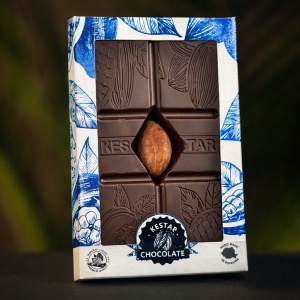
Flavor profile: honey sweetness from summer flowers, berries, figs, roasted hazelnuts.
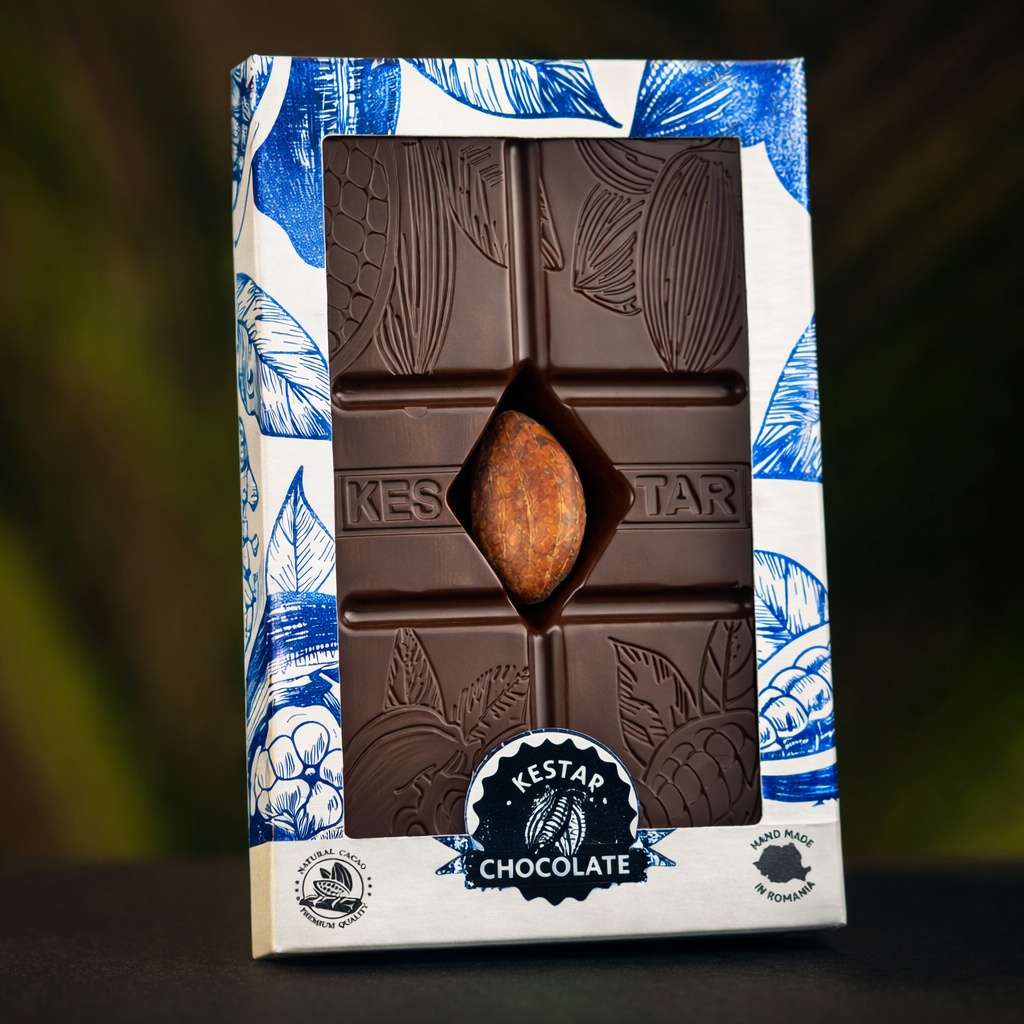
Bean To Bar chocolate without artificial flavors, added cocoa butter, or anything else that could alter the natural flavors already present in the cocoa beans.
Bean To Bar – what does it mean?
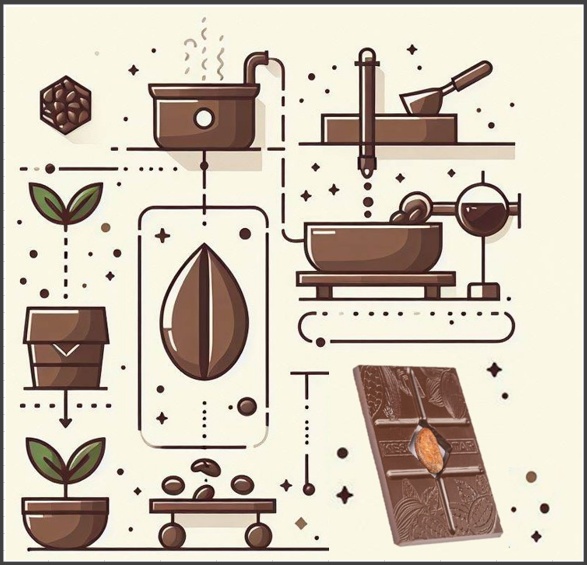
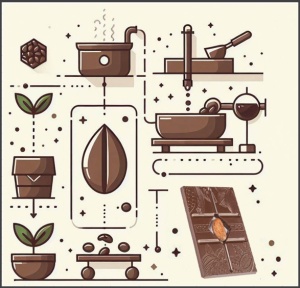
"Bean to bar" chocolate differs from other chocolates on the market because all production stages required to transform raw cocoa beans into a fine, delicious chocolate ready to enjoy take place in the same facility. By controlling the roasting process of the raw cocoa beans, we can discover and reveal surprising flavor notes.
Origin? We go all the way to the farm!
This chocolate is not just single origin, made from any cocoa beans from Haiti. The cocoa beans are carefully selected and harvested directly from Haiti, Pisa region.
Yes, we name our chocolates after the exact farms or growing regions where the raw cocoa beans come from, because transparency regarding the origin of the ingredients used in our production process is important to us.
Ingredients? Nothing simpler!
We were also tired of reading long novels on nutritional labels, so we used only 2 ingredients.
- Cocoa beans from Haiti, Pisa origin – 70%
- Unrefined cane sugar – 30%
What does this mean? It means that all the aromas and flavor notes in this chocolate come exclusively from the cocoa bean. During the manufacturing process, every step determines the final taste of the product, which is why we have developed and perfected unique profiles for each origin, highlighting the extraordinary aromas already present in the cocoa bean.
Fun fact: the Latin name of the cocoa tree, Theobroma cacao, translates as "FOOD OF THE GODS".
Roasting cocoa beans: a sensual science
When chocolate craftsmanship reaches its highest level, the chemistry taking place inside roasted cocoa beans can be experienced through all five senses.
Unroasted cocoa beans begin with an astringent, often unpleasant taste, with bitter nutty notes created by volatile acids formed during fermentation.
But all of this changes once the cocoa beans are roasted!
The Maillard reaction takes place as amino acids and natural sugars react and transform into a range of new aromatic compounds, deepening and evening out the rich brown color that the beans developed during fermentation. Meanwhile, the sharp smell of boiling vinegar is replaced by the first pleasant hints of that familiar aroma of warm chocolate.
The process intensifies even further and — snap! Excess moisture evaporates, bursting from the surface of the cocoa beans with a series of satisfying cracks, indicating that they are almost ready to be removed.
When the Artisan Chocolatier is satisfied with the result, the reaction must be stopped quickly by cooling the beans to room temperature. Cooling racks, fans, and air conditioning are often required to achieve the best results.
Once cool enough to handle, the whole beans should become fragile enough for the shells to separate easily. The outer "shells" should break away, revealing the precious cocoa nibs inside.
Then comes the ultimate test: taste. Some chocolate makers take the opportunity to personally check their creation, enjoying a piece or two of chocolate — one of the benefits of the job!
Discovering the perfect roast
There is no single way to roast cocoa beans!
While mass-market chocolate producers often use a universal approach, artisan chocolatiers understand that no two batches of beans are identical, therefore the roasting process should not be identical either.
An artisan chocolate maker adjusts the roasting approach depending on the batch of beans, considering their type and origin, estimating moisture levels, removing damaged beans, and sorting them by size to achieve even roasting and optimal flavor development.
They must also decide whether to remove the cocoa nib from the shell before or after roasting. While large companies often choose to roast only the inner part of the bean, artisan chocolate commonly uses whole-bean roasting, allowing the nibs to absorb more aromas from the surrounding shell.
A "perfect" roast can be achieved using various heat sources, including ovens, drum roasters, stovetop pans, hot air guns, and even coffee roasters. Some methods, such as drum roasting, can create a more consistent roast, but in the right hands there is no single best equipment!
The earliest origins of cacao date back approximately 5,300 years. Since then, its role within Ecuadorian culture has evolved through different stages, and the effort to preserve the ancestral notes of the original trees has allowed exceptional farms to produce fine-flavor cacao. However, only a few can guarantee 100% Nacional Arriba beans. This is where Victoria comes in.
It takes approximately 5 years for a cacao tree to fully mature and produce flowers.
About the cocoa beans from HAITI:
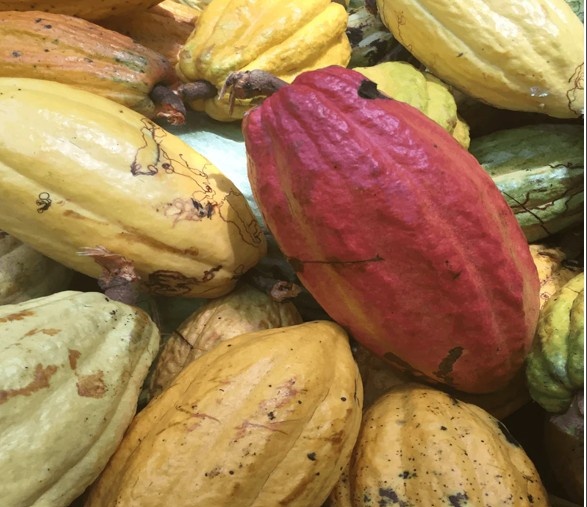
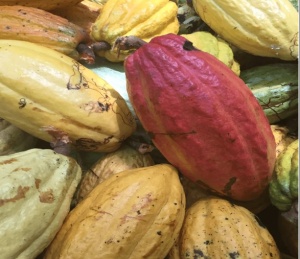
The raw Pisa cocoa beans come from a region recognized for its deep tradition of cocoa cultivation, where small farmers manually manage every stage of the process. Haiti is one of the few places in the world where cocoa is still produced authentically, on family farms, without industrial intervention, giving the beans a distinct identity and consistent quality. Fertile soils, tropical climate, and traditional agricultural methods contribute to the development of beans with a dense structure and a well-defined natural character.
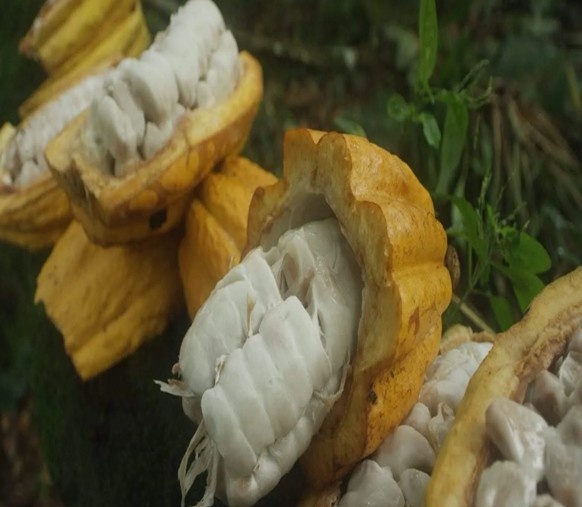
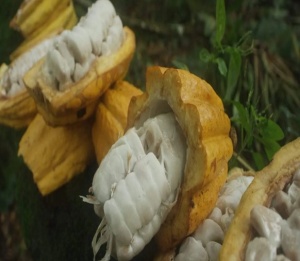
The beans are obtained through a minimally invasive process, preserving their integrity and natural properties. After harvesting, the cocoa pods are opened manually, and the beans are carefully extracted and naturally fermented for 7 days under controlled conditions. Fermentation is essential for developing the character of the beans, and Haitian farmers manage this process with knowledge passed down through generations. Drying is carried out slowly under the sun, on raised beds, in order to preserve quality and prevent any damage.
What makes Haiti Pisa cacao special is the authenticity of the process and the fact that it comes from a community focused on sustainability and responsible cultivation. The raw beans are appreciated both for their natural quality and their versatility in use.
Remember to let the chocolate melt in your mouth and breathe: 20% of the aroma comes from the tongue, while 80% comes from the nose. The second bite of chocolate will remove the initial flavor impression and allow you to clearly experience the evolving tasting notes.
Our chocolates are handcrafted from the processing of cocoa beans all the way to wrapping, packaging, and creating the labels.