


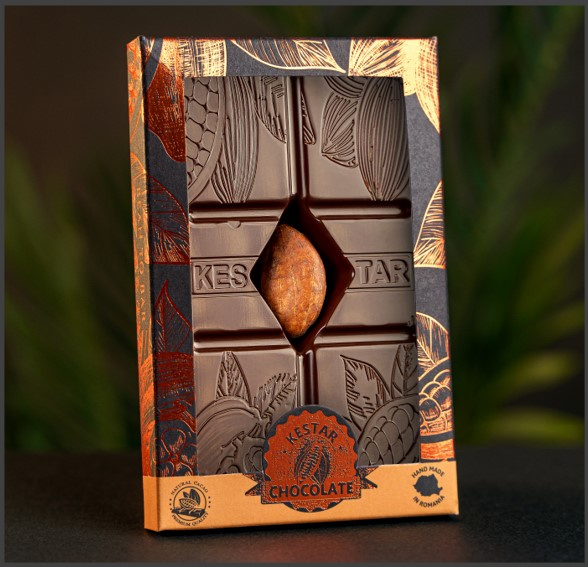
Artisanal Chocolate Bean to Bar - MADAGASCAR Bejofo Estate
Description
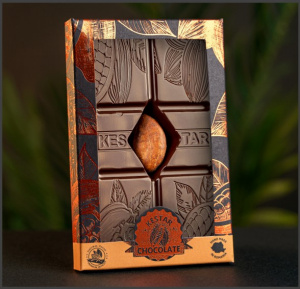
Two Ingredients
70% organic cocoa beans from MADAGASCAR, Bejofo Estate, Sambirano Valley
30% unrefined granulated coconut flower nectar
Our Bean to Bar chocolate contains no artificial flavors, added cocoa butter, or anything else that could alter the natural aromas already present in the cocoa beans.
What Does “Bean to Bar” Mean?
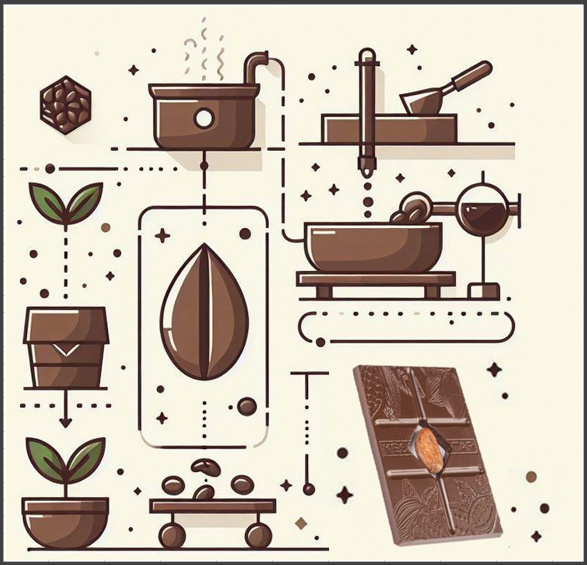
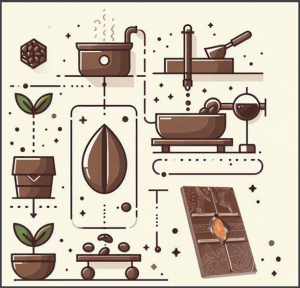
Bean to Bar chocolate differs from most chocolate on the market because all stages of production, from transforming raw cocoa beans into a smooth, delicious chocolate ready to enjoy, take place in the same facility.
By carefully controlling the roasting process of the raw cocoa beans, we can discover and reveal surprising flavor notes.
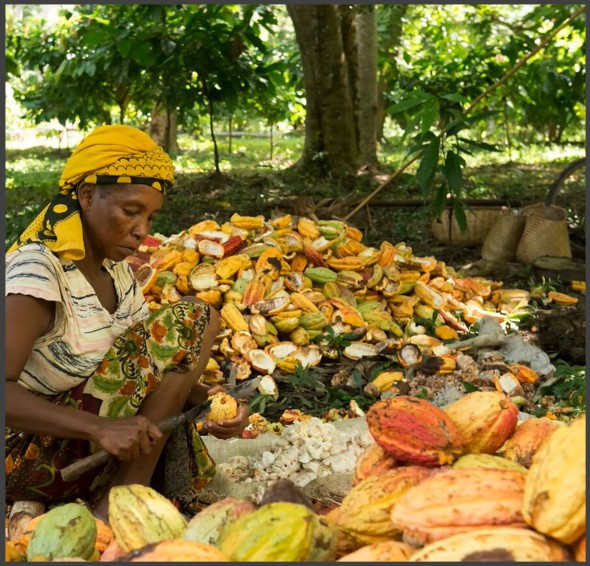
Origin? We Go All the Way to the Farm!
This chocolate is not simply single origin, made from cocoa beans sourced somewhere in Madagascar.
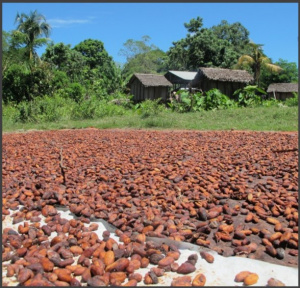
The cocoa beans are carefully selected and sourced directly from Bejofo Estate in the Sambirano Valley.
We name our chocolates after the specific farms or growing regions where the raw cocoa beans originate because transparency regarding the origin of our ingredients is an essential part of our production philosophy.
Ingredients? Nothing Could Be Simpler!
We are tired of reading novels on nutritional labels, so we have used just two ingredients:
- 70% Cocoa beans from MADAGASCAR, Bejofo Estate
- 30% Unrefined coconut flower nectar from Indonesia
What does this mean?
It means that all the aromas and flavor notes in this chocolate come exclusively from the cocoa bean. During the manufacturing process, every step influences the final flavor, which is why we develop and refine unique profiles for each origin, designed to highlight the extraordinary flavors already present in the cocoa bean.
The granulated coconut flower nectar is unrefined and contains no unwanted additives.
It is obtained from the sap of coconut palm flowers, which undergoes a gentle heating process that evaporates the water, leaving behind a solid mass. The final product is brown and granular, similar to raw cane sugar, but with a lower glycemic index than many common sweeteners.
Fun Fact
The Latin name of the cocoa tree, Theobroma cacao, translates as “food of the gods.”
Roasting Cocoa Beans: A Sensory Science
When chocolate making reaches its finest expression, the chemistry that takes place during cocoa bean roasting can be experienced through all five senses.
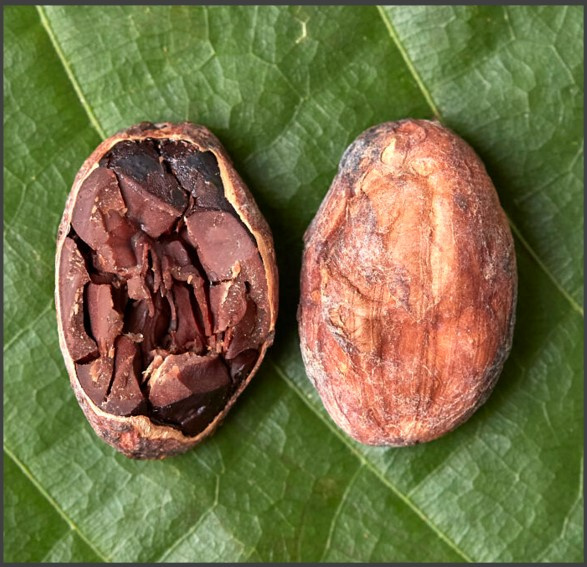
Raw cocoa beans begin with an astringent and often unpleasant taste, with bitter, nutty notes resulting from volatile acids created during fermentation.
But everything changes once the cocoa beans are roasted.
The Maillard reaction takes place as amino acids and sugars react, creating a range of new aromatic compounds and deepening the rich brown color developed during fermentation. Meanwhile, the sharp, vinegary aromas are gradually replaced by the familiar fragrance of warm chocolate.
As the temperature rises, excess moisture evaporates from the cocoa beans. Once the chocolatier is satisfied with the roast, the beans must be cooled quickly to room temperature to stop the roasting process.
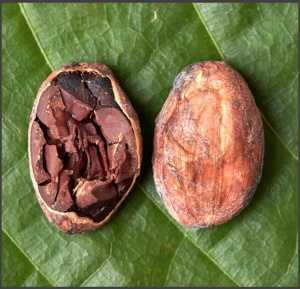
Once cool enough to handle, the beans are cracked and the outer shells removed, revealing the precious cocoa nibs inside.
Then comes the ultimate test: tasting.
Discovering the Perfect Roast
There is no single way to roast cocoa beans.
While mass-market chocolate manufacturers often use a standardized approach, artisan chocolatiers understand that no two batches of cocoa beans are exactly alike. Therefore, the roasting process should be adapted to each batch.
An artisan chocolate maker adjusts the roast according to the origin and characteristics of the beans, their moisture level, size, and condition. Damaged beans are removed and the beans are sorted to achieve an even roast and optimal flavor development.
The chocolatier must also determine the appropriate roasting approach for the particular batch, carefully balancing temperature and time to preserve and enhance the natural characteristics of the cocoa.
A “perfect” roast can be achieved using different heat sources, including ovens, drum roasters, stovetop pans, hot-air guns, and even coffee roasters. Some methods, such as drum roasting, can provide greater consistency, but in the right hands, there is no single “best” equipment.
About Bejofo Estate & the Sambirano Valley, Madagascar
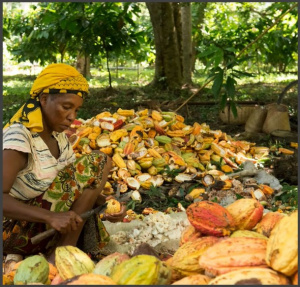
Bejofo Estate is an organic cocoa estate that forms part of the larger Akesson Estate in the Sambirano Valley of northwestern Madagascar.
Managed by Bertil Akesson, who has specialized in fine cocoa, pepper, and other spices for many years, Bejofo Estate produces approximately 300 tonnes of cocoa per year.
Cocoa was introduced to Madagascar by the French in the 19th century. Many of the cocoa plantations operating today are managed by descendants of the same families who have cultivated and harvested cocoa for generations.
The Sambirano Valley takes its name from the river that drains the region's rich and fertile soils. It is Madagascar's principal cocoa-producing region and accounts for the vast majority of the country's cocoa production.
Approximately 33,000 smallholder farmers are involved in cocoa cultivation and contribute to Madagascar's reputation as a producer and exporter of fine-flavor cocoa.
Chocolate made from cocoa grown in Madagascar is particularly distinctive because of its unique flavor profile. The combination of terroir, genetics, cultivation, harvesting, and post-harvest processing gives Madagascar cocoa its characteristic berry and citrus notes, rarely found in the same combination elsewhere.
Cocoa Bean Genetics
Genetics: A mix of Criollo and Trinitario
Fermentation: Wooden boxes
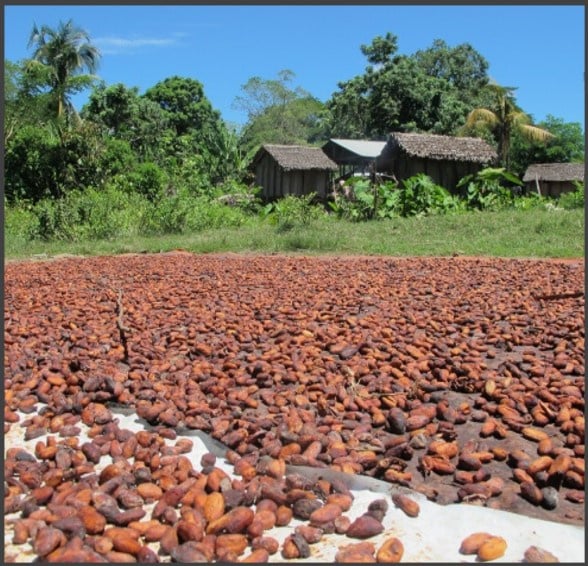
Drying: Greenhouse drying on raised racks or tables
How to Enjoy
Let the chocolate slowly melt in your mouth and breathe gently. Much of the chocolate experience comes from aroma reaching the nose, allowing the complex flavor notes to fully develop.
The next bite can then reveal different layers of raspberry, ripe pineapple, pine syrup, red pepper, coriander and other delicate nuances.
Our chocolates are handmade from the processing of the cocoa beans all the way through to wrapping, boxing, labeling, and final packaging.