


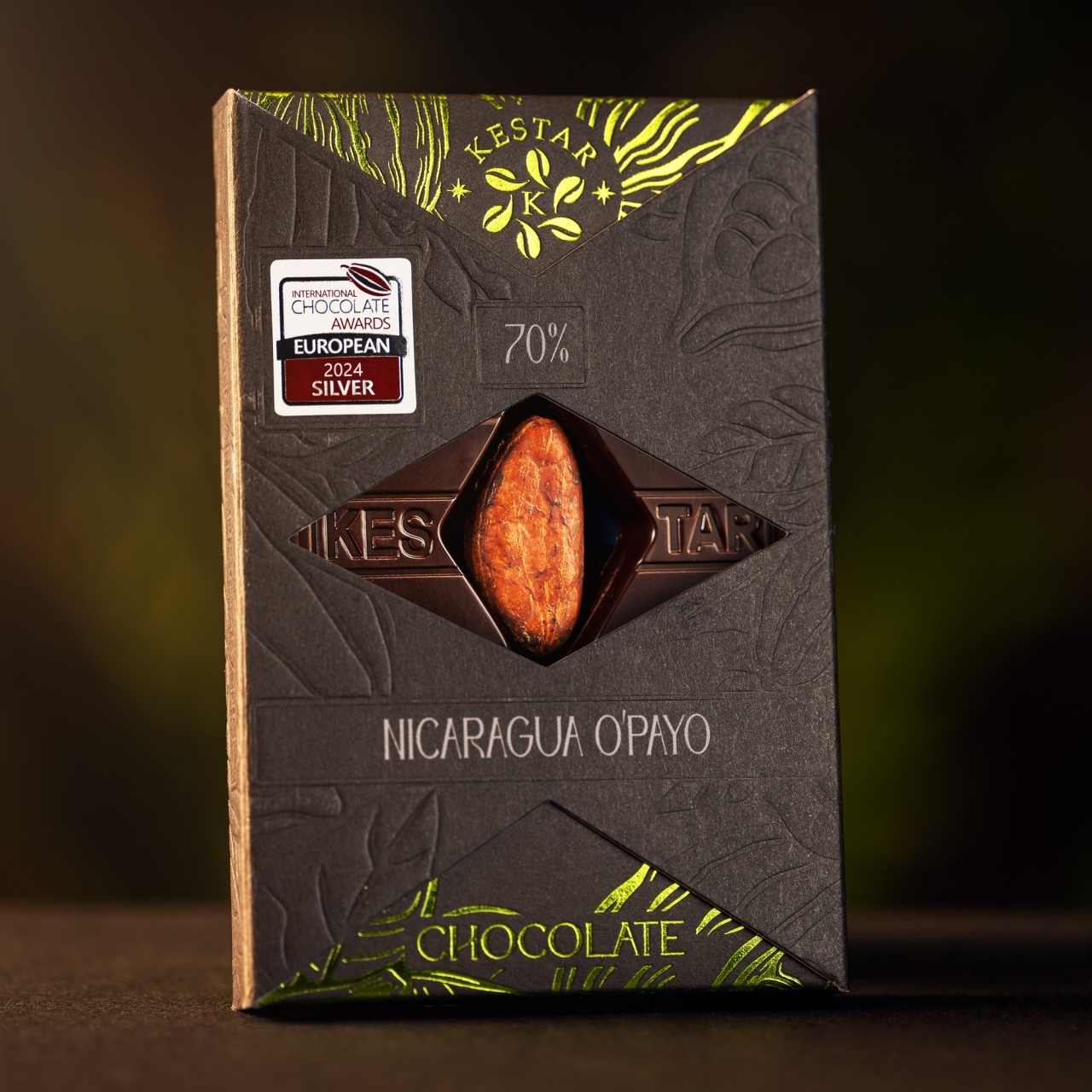
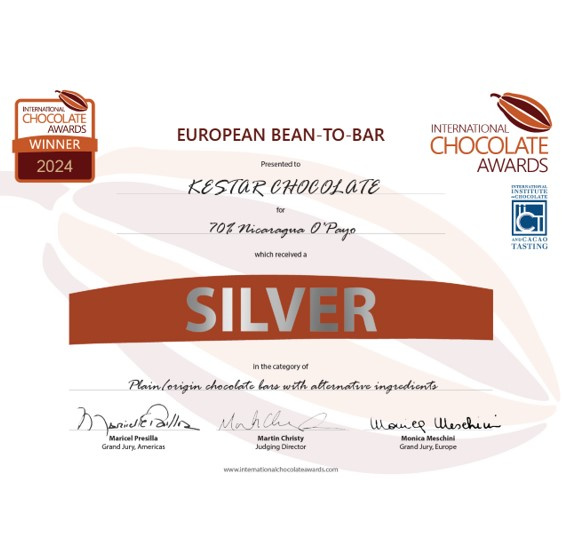
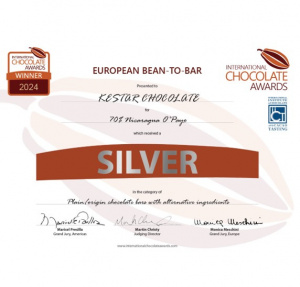
Artisanal Chocolate Bean to Bar- NICARAGUA O'Payo, Managua - SILVER WINNER @Chocawards

Description
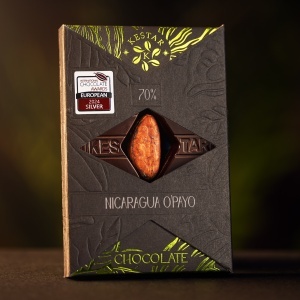
Aroma profile: Candied honey sweetness, walnut, cinnamon, spices, olive, with a subtle floral aroma.
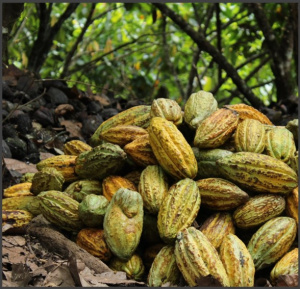
Two Ingredients: 70% cocoa beans from NICARAGUA O’Payo, Managua
30% unrefined granulated coconut flower nectar.
Bean-to-Bar chocolate with no artificial flavors, added cocoa butter, or anything else that could alter the natural flavors already present in the cocoa beans.
Bean to Bar – What does it mean?
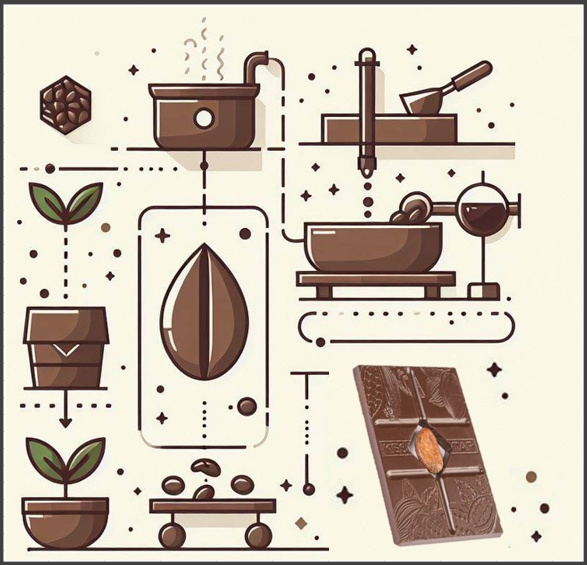
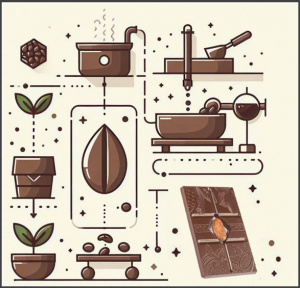
“Bean to bar” chocolate differs from most chocolate on the market because all the stages involved in transforming raw cocoa beans into a smooth, delicious chocolate, ready to enjoy, take place in the same facility. By controlling the roasting process of the raw cocoa beans, we can discover and reveal surprising flavor notes.
Origin? We go all the way to the farm!
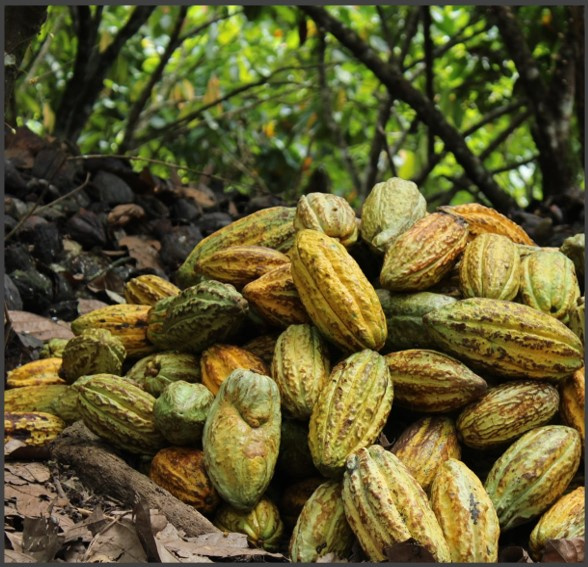
This chocolate is not simply single-origin chocolate made from any cocoa beans from Nicaragua. The cocoa beans are carefully harvested and selected directly from the Managua region. Yes, we name our chocolates after the specific farms or growing regions where the raw cocoa beans come from because we believe it is important to be transparent about the origin of the ingredients we use in our production process.
Ingredients? Nothing could be simpler!
We were tired of reading novels on nutritional labels, so we used only two ingredients.
- Cocoa beans originating from Nicaragua, O’Payo – 70%
- Unrefined coconut flower nectar from Indonesia – 30%
What does this mean? It means that all the flavors and tasting notes in this chocolate come exclusively from the cocoa bean. During the manufacturing process, every step determines the flavor of the finished product, so we have developed and perfected unique profiles for each origin that highlight the extraordinary flavors already present in the cocoa bean.
The unrefined Granulated Coconut Flower Nectar contains no unwanted additives.
It is obtained from the sap of coconut palm flowers, which undergoes a thermal process involving the evaporation of water, leaving behind a solid mass. The final product is brown and granulated, similar to raw cane sugar, but with a lower glycemic index than most sweeteners.
Fun fact: The Latin name of the cacao tree, “Theobroma cacao,” translates as “FOOD OF THE GODS.”
Roasting Cocoa Beans: A Sensual Science
When chocolate craftsmanship is at its finest, the chemistry taking place inside roasted cocoa beans can be experienced through all five senses.
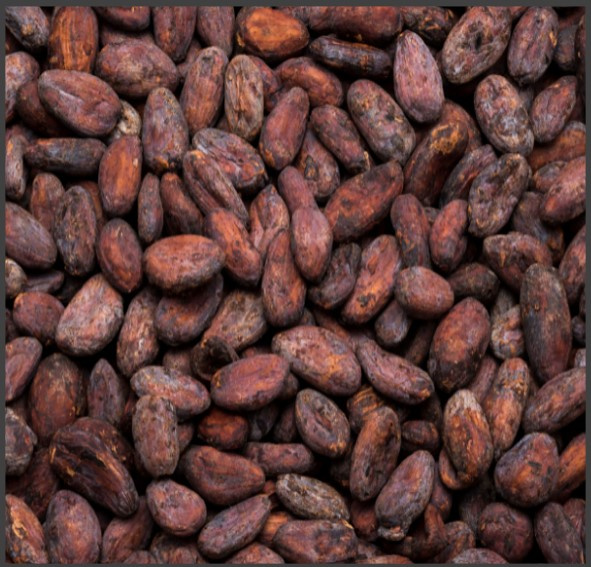
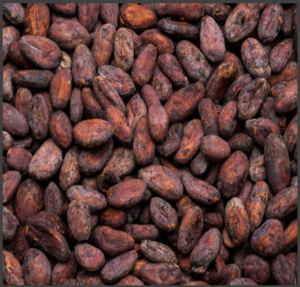
Unroasted cocoa beans begin with an astringent, often unpleasant taste, with bitter, nutty notes caused by volatile acids created during fermentation.
But all of this changes once the cocoa beans are roasted!
The Maillard reaction takes place as amino acids and natural sugars react and transform into a range of new aromatic compounds, visibly deepening and evening out the rich brown color the beans developed during fermentation. Meanwhile, the sharp smell of boiling vinegar is replaced by the first joyful waves of that familiar aroma of warm chocolate.
Things heat up even further and—snap! Excess moisture evaporates from the surface of the cocoa beans with a series of satisfying cracks, indicating that they are almost ready to be removed.
When the Artisan Chocolatier is satisfied with the roasting process, the reaction must be stopped quickly by cooling the beans to room temperature. Cooling racks, fans, and air conditioning are often used to achieve the best results.
Once cool enough to handle, the whole beans should be sufficiently fragile for the outer shells to be removed. The shells should come away easily, revealing the precious cocoa nib inside.
Then comes the ultimate test: tasting. Some chocolate makers take the opportunity to check their creation themselves, enjoying a piece or two of chocolate—the perks of the job!
Discovering the Perfect Roast
There is no single way to roast cocoa beans!
While mass-market chocolate manufacturers tend to adopt a one-size-fits-all approach, artisan chocolate makers know better: no two batches of beans are the same, so the roasting process should not be the same either.
An artisan chocolate maker will adapt the roasting approach according to the batch of beans, taking into account their type and origin, estimating their moisture level, removing damaged beans, and sorting them by size for even roasting and optimal flavor development.
They must also decide whether to remove the cocoa nibs from the shells before or after roasting. While large-scale manufacturers often choose to roast only the nibs, artisan chocolate making more commonly involves roasting the whole beans, allowing the nibs to absorb more of the aromas from the surrounding shell.
A “perfect” roast can be achieved using a variety of heat sources, including ovens, drum roasters, a pan on the stovetop, heat guns, and even coffee roasters. Some methods, such as drum roasting, can provide greater consistency, but in the right hands, there is no single best piece of equipment!
NICARAGUA O’Payo Cocoa
Nicaragua is a country with a rich cocoa culture, and its production is notable throughout the region. Among the cocoa varieties cultivated locally, O’Payo stands out.
Origin and Location: O’Payo is produced in the Waslala region, located within the Bosawás Natural Reserve in the northern mountains of Nicaragua. This natural reserve is the largest in Central America and provides an ideal habitat for cocoa cultivation.
Certifications and Sustainability: O’Payo is organic and UTZ certified. This means it is cultivated responsibly, respecting the environment and the working conditions of farmers.
Flavor Profile: O’Payo Profundo is a variety known for its extended fermentation and slow drying process. This process gives the cocoa flavors of ripe fruit and nuts, with floral and spicy notes.
Awards and Recognition: O’Payo cocoa has won numerous awards in chocolate competitions since 2012. This is a testament to its high quality and the dedication involved in its production.
Remember to let the chocolate melt in your mouth and breathe: 20% of flavor comes from the tongue, while 80% comes through the nose. The second bite of chocolate will reset the initial flavor and allow you to experience the dancing notes with greater clarity.
Our chocolates are handmade, from processing the cocoa beans all the way through to wrapping them in foil, placing them in boxes, and creating and applying the labels.