

Artisanal Chocolate Bean to Bar- VENEZUELA Barlovento Villa Franca
Description
Flavor Profile: An explosion of cocoa, with a subtle floral character complemented by delicate notes reminiscent of freshly made amandine. Medium, citrusy acidity. Mouth-watering, literally.
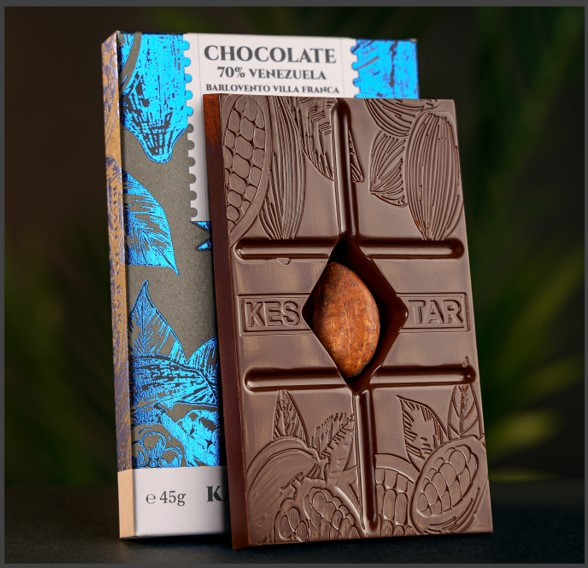
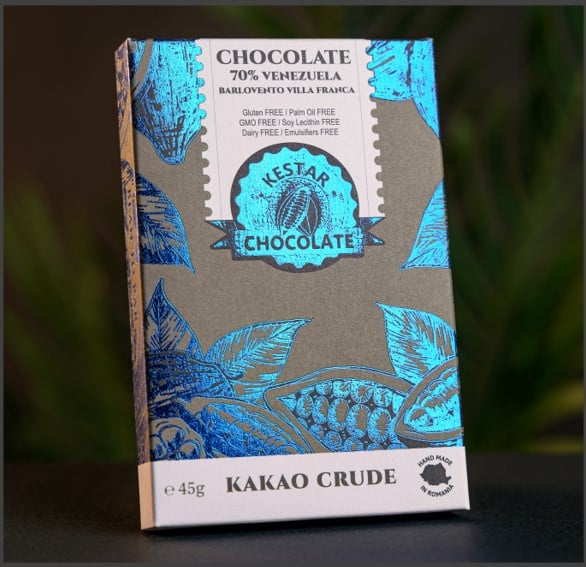
Bean to Bar Chocolate – VENEZUELA Barlovento Villa Franca
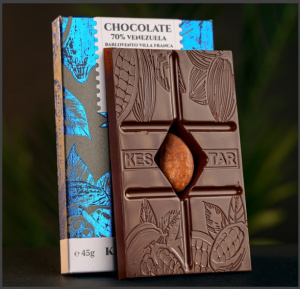
Two Ingredients: 70% cocoa beans from VENEZUELA, Barlovento Villa Franca
30% unrefined granulated coconut blossom nectar.
This Bean to Bar chocolate contains no artificial flavors, added cocoa butter, or anything else that could alter the natural flavors already present in the cocoa beans.
Bean to Bar – What Does It Mean?
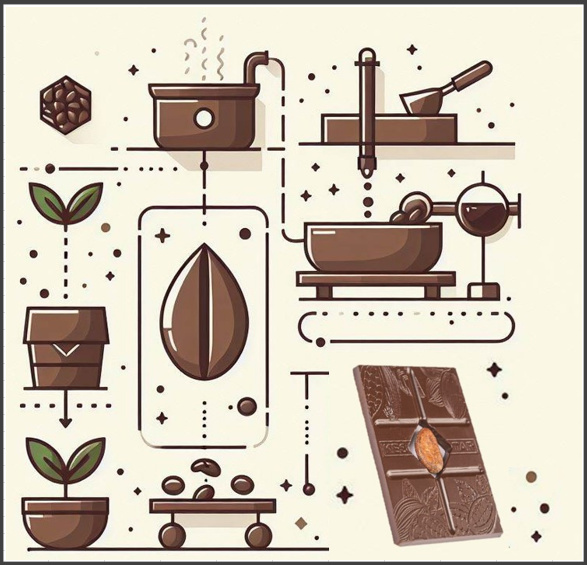
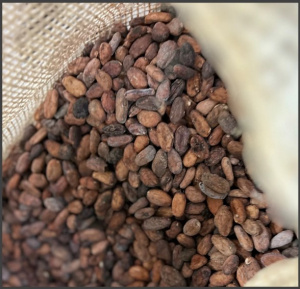
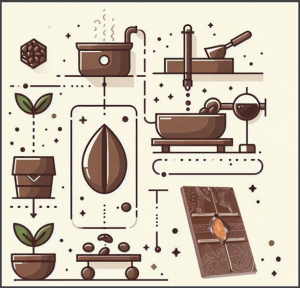
Bean to Bar chocolate is different from conventional chocolate because all the stages required to transform raw cocoa beans into a smooth, delicious chocolate bar take place in the same facility. By carefully controlling the roasting process of the raw cocoa beans, we can discover and reveal surprising flavor notes.
Origin? We Go All the Way to the Farm!
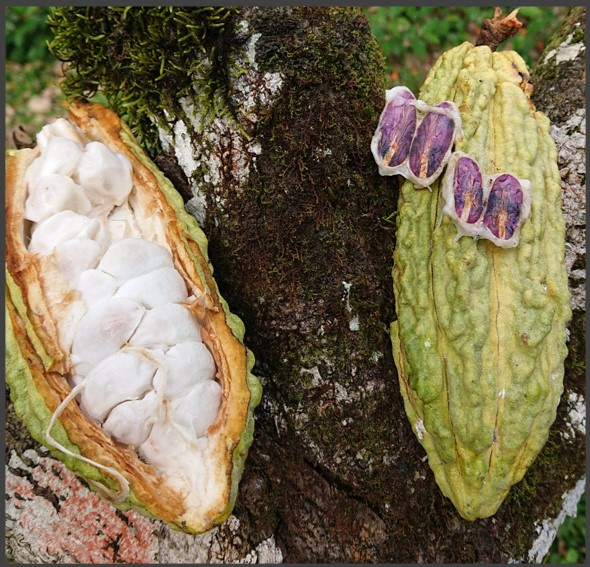
This chocolate is not simply single origin, made from any cocoa beans from Venezuela. The beans are carefully selected and sourced directly from Franca Farm. We name our chocolates after the specific farms or growing regions where the raw cocoa beans originate because transparency about the provenance of our ingredients is essential to us.
Ingredients? Nothing Could Be Simpler!
We were tired of reading novels on nutritional labels, so we use only two ingredients:
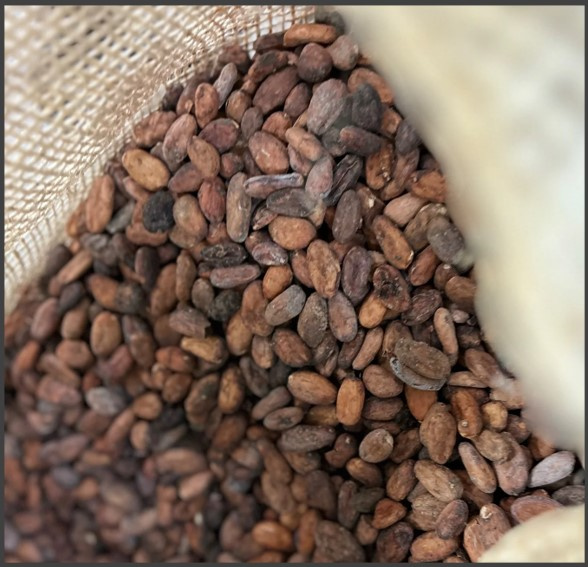
– Cocoa beans originating from Venezuela, Barlovento Villa Franca – 70%
– Unrefined coconut blossom nectar from Indonesia – 30%
What does this mean? It means that all the flavors and tasting notes in this chocolate come exclusively from the cocoa bean itself. Throughout the manufacturing process, every step influences the flavor of the finished chocolate. We have developed and refined unique profiles for each origin to highlight the extraordinary flavors already present in the bean.
The unrefined granulated coconut blossom nectar contains no unwanted additives.
It is made from the sap of coconut palm blossoms, which undergoes a heating process that evaporates the water, leaving behind a solid mass. The final product is brown and granular, similar to raw cane sugar, but with a lower glycemic index than many conventional sweeteners.
Fun Fact: The Latin name of the cacao tree, Theobroma cacao, translates as “FOOD OF THE GODS.”
Roasting Cocoa Beans: A Sensual Science
When chocolate making is at its finest, the chemistry taking place inside roasted cocoa beans can be experienced through all five senses.
Raw cocoa beans begin with an astringent, often unpleasant taste, with bitter, nutty notes caused by volatile acids created during fermentation.
But everything changes once the beans are roasted!
The Maillard reaction takes place as amino acids and natural sugars react, transforming into a range of new aromatic compounds. This deepens and harmonizes the rich brown color the beans have already developed during fermentation. Meanwhile, the sharp, vinegary aroma is replaced by the first delightful waves of that familiar smell of warm chocolate.
As the temperature rises further, the excess moisture evaporates from the cocoa beans, producing a series of satisfying cracks that indicate they are almost ready to be removed from the heat.
Once the Artisan Chocolatier is satisfied with the roast, the reaction must be stopped quickly by cooling the beans to room temperature. Cooling racks, fans, and air conditioning are often used to achieve the best results.
Once cool enough to handle, the whole beans should be sufficiently fragile for the outer shells to be removed easily, revealing the precious cocoa nib inside.
Then comes the ultimate test: tasting. Some chocolate makers take the opportunity to taste their creation themselves—one of the perks of the job!
Discovering the Perfect Roast
There is no single way to roast cocoa beans!
While mass-market chocolate manufacturers tend to adopt a one-size-fits-all approach, artisan chocolatiers know better: no two batches of beans are exactly alike, so the roasting process should not be either.
An artisan chocolate maker adjusts the roasting approach according to the batch, considering its variety and origin, estimating moisture levels, removing damaged beans, and sorting the beans by size to achieve an even roast and optimal flavor development.
They must also decide whether to remove the cocoa nib from its shell before or after roasting. While large-scale manufacturers generally roast only the nib, artisan chocolate making more commonly involves roasting the beans whole, allowing the nibs to absorb more of the aromas from the surrounding shell.
A “perfect” roast can be achieved using a variety of heat sources, including ovens, drum roasters, stovetop pans, heat guns, and even coffee roasters. Some methods, such as drum roasting, can provide greater consistency, but in the right hands, there is no single “best” piece of equipment!
Villa Franca is a fascinating location in Barlovento, Venezuela. These cocoa beans originate from Barlovento, with plantations located near the village of Yaguapita, in Miranda State.
Genetically, these beans belong to the Modern Criollo variety. The Barlovento region is known for its warm, stable climate and high humidity, which is managed through a unique irrigation system.
This local cocoa variety is a natural hybrid between Criollo and Trinitario. The name “Barlovento” comes from Spanish and refers to the direction facing the wind. Villa Franca in Barlovento is therefore a place where history, culture, and rich cocoa flavors come together.
The earliest origins of cacao date back approximately 5,300 years. Since then, its role in Ecuadorian culture has evolved through different phases. The effort to preserve the distinctive ancestral characteristics of the mother trees has enabled exceptional farms to produce fine-flavor cocoa, although very few can guarantee beans that are 100% Nacional Arriba.
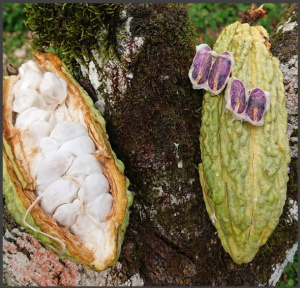
A cacao tree takes approximately five years to reach full flowering and production.
About the Venezuela Barlovento Villa Franca Cocoa Beans
Region: Barlovento
Genetics: Modern Criollo
Fermentation: 98%
Fermentation & Drying: Fermented and dried according to a special protocol developed specifically for this type of cocoa, with eight days of strict control over all fermentation and drying conditions.
Aging: Aged for six months in specially designed wooden boxes.
Remember to let the chocolate melt in your mouth and breathe: 20% of flavor comes from the tongue, while 80% comes through the nose. The second bite will reset the initial flavor and allow you to experience the dancing tasting notes with greater clarity.
Our chocolates are handcrafted from the processing of the cocoa beans all the way through to wrapping, boxing, label production, and final packaging.