


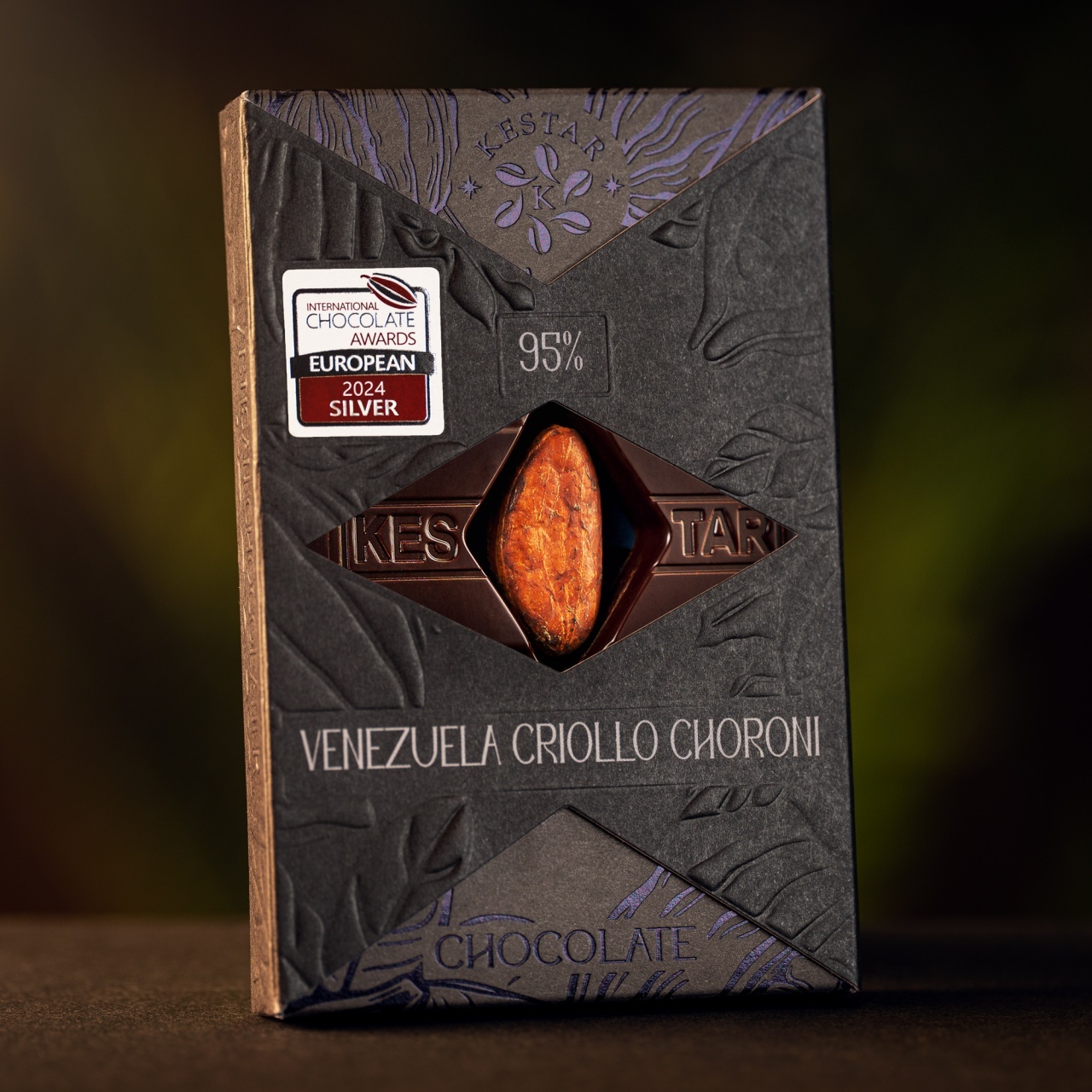
Artisanal Chocolate Bean to Bar- VENEZUELA Criollo Choroni 95%- SILVER WINNER 2025@Chocawards
Description
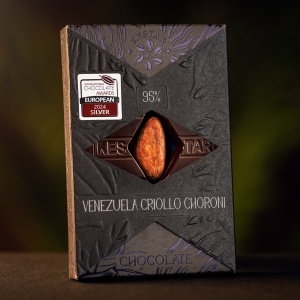
Silver Medal Winner at the International Chocolate Awards Competition
Flavor Profile: Intense and expressive, with a subtle combination of woody and nutty notes. Pleasant and surprising on the palate, with no astringency or bitterness.
Bean-to-Bar Chocolate — Venezuela Criollo Choroní
Two Ingredients:
- 95% Venezuelan cocoa beans — Criollo Choroní
- 5% unrefined cane sugar
This bean-to-bar chocolate contains no artificial flavors, added cocoa butter, or any other ingredients that could alter the naturally occurring flavors of the cocoa beans.
What Does “Bean-to-Bar” Mean?
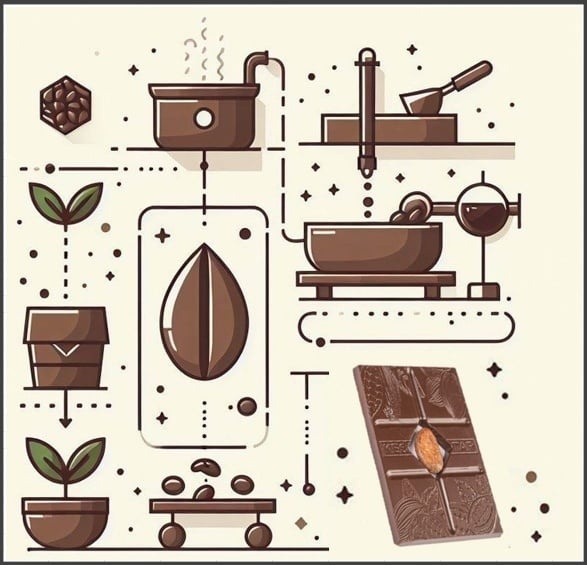
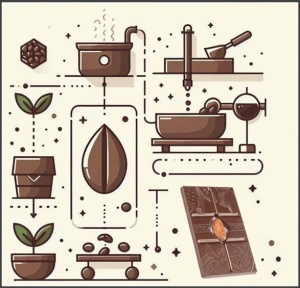
Bean-to-bar chocolate differs from most chocolate on the market because every stage of production—from transforming raw cocoa beans into a refined, delicious chocolate ready to enjoy—takes place in the same facility.
By carefully controlling the roasting process, we can discover and reveal surprising flavor notes naturally present in the cocoa beans.
Origin? We Go All the Way to the Farm
This chocolate is more than simply a single-origin chocolate made with cocoa beans from Venezuela. The beans are carefully selected and sourced directly from the Choroní region.
We name our chocolates after the specific farms or growing regions where the cocoa beans originate because transparency and traceability are essential to understanding the ingredients used in our production process.
Ingredients? Nothing Could Be Simpler
We are tired of reading novels on nutritional labels, so we use only two ingredients:
- 95% Venezuelan cocoa beans, Criollo Choroní
- 5% unrefined cane sugar
What does this mean? It means that all the aromas and flavor notes in this chocolate come exclusively from the cocoa bean itself. During the manufacturing process, every step influences the final flavor, which is why we develop and refine unique profiles for each origin to highlight the extraordinary characteristics already present in the cocoa bean.
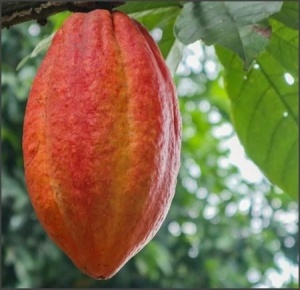
Fun fact: The Latin name of the cacao tree, Theobroma cacao, translates as “food of the gods.”
Roasting Cocoa Beans: A Sensory Science
When chocolate craftsmanship is at its finest, the chemistry taking place inside roasted cocoa beans can be experienced through all five senses.
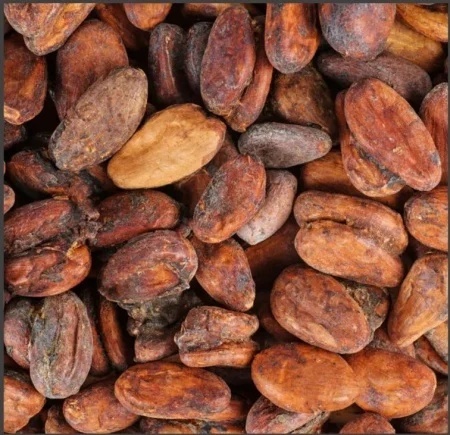
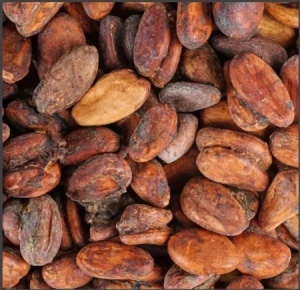
Raw, unroasted cocoa beans begin with an astringent and often unpleasant taste, along with bitter, nutty notes created by volatile acids during fermentation.
But everything changes once the cocoa beans are roasted.
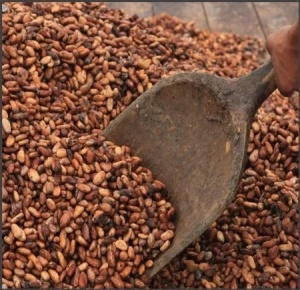
The Maillard reaction takes place as amino acids and natural sugars react, creating a range of new aromatic compounds. The beans develop a deeper, richer brown color, while the sharp, vinegary aromas gradually give way to the familiar fragrance of warm chocolate.
As the temperature rises, excess moisture evaporates from the cocoa beans, producing a series of satisfying cracks that indicate they are approaching the desired roast level.
Once the artisan chocolatier is satisfied with the roast, the reaction must be stopped quickly by cooling the beans to room temperature. Cooling racks, fans, and air conditioning are often used to achieve the best results.
Once cool enough to handle, the roasted beans become sufficiently brittle for their outer shells to be removed. The shells break away easily, revealing the prized cocoa nibs inside.
Then comes the ultimate test: tasting. Some chocolate makers take the opportunity to sample their creation themselves—one of the perks of the job!
Discovering the Perfect Roast
There is no single way to roast cocoa beans.
While mass-market chocolate manufacturers often use a standardized approach, artisan chocolatiers understand that no two batches of beans are identical. Therefore, their roasting profiles should not be identical either.
An artisan chocolate maker adjusts the roasting process according to the specific batch, taking into account its variety and origin, estimating moisture levels, removing defective beans, and sorting them by size to achieve an even roast and optimal flavor development.
They must also decide whether to remove the cocoa nibs from their shells before or after roasting. While large-scale manufacturers often roast only the nibs, artisan chocolate makers more commonly roast the whole beans, allowing the nibs to absorb additional aromas from the surrounding shell.
A “perfect” roast can be achieved using many different heat sources, including ovens, drum roasters, stovetop pans, hot-air guns, and even coffee roasters. Some methods, such as drum roasting, can provide greater consistency, but in skilled hands, there is no single “best” piece of equipment.
It takes approximately five years for a cacao tree to reach full flowering maturity.
About the Venezuelan Criollo Choroní Cocoa Beans
Region: Choroní village, Aragua State, Venezuela
Genetics: Ancient Criollo
Flavor Profile: Extremely mild and pleasant, with no bitterness, astringency, or harshness. The aroma is exceptionally delicate and develops gradually, without dominant or overpowering notes, yet with remarkable depth and richness.
Fermentation: F1, carried out in three stages in specially designed wooden boxes.
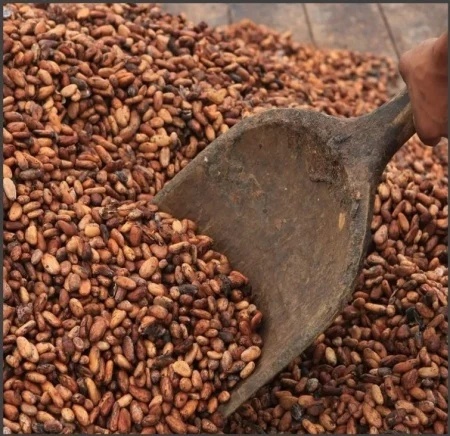
Drying: Naturally sun-dried on a specially prepared drying platform.
The Region
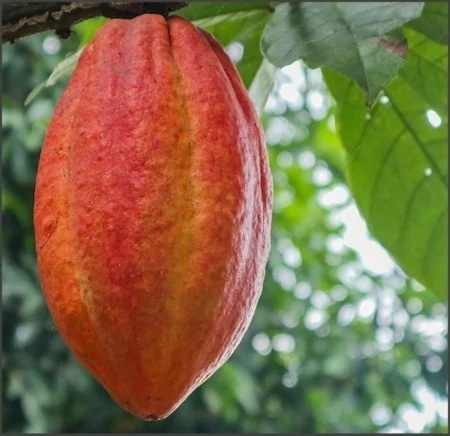
In the tropical coastal region of Venezuela, near the picturesque village of Choroní in Aragua State, lies the Choroní Plalla Grande farm—a place with a deep history and an authentic tradition of cultivating Criollo cocoa beans.
Protected by Henri Pittier National Park, the region has been recognized for centuries for its fertile soils, consistent climate, and extraordinary biodiversity, all of which create ideal conditions for the development of rare and refined cocoa varieties.
Cocoa has been cultivated in Choroní since colonial times and was valued in Europe for its finesse and aromatic complexity. Over generations, small local producers have preserved traditional cultivation, fermentation, and drying methods, helping maintain the genetic purity of the Criollo variety.
The Choroní Plalla Grande farm continues this heritage through a meticulous and sustainable approach. The farm specializes exclusively in Criollo Puro, a variety considered one of the most prestigious in the world of fine chocolate.
Criollo Puro is among the rarest and most prized cocoa varieties, representing less than 0.01% of global cocoa production. Originating in Central and South America, this variety was cultivated by pre-Columbian civilizations and revered for its delicate flavor and exceptional characteristics.
Criollo beans are known for their lighter color, low tannin content, and lack of bitterness, giving them a creamy texture and a complex yet subtle aromatic profile.
Criollo Puro is extremely susceptible to disease and has relatively low productivity, making it difficult to cultivate on a large scale. Nevertheless, Choroní Plalla Grande has managed to preserve the genetic purity of this variety through traditional selection methods and careful management of the local ecosystem.
The plantation is managed by hand, with respect for the natural rhythms of the soil and climate. Each batch is fermented under controlled conditions and slowly sun-dried on wooden platforms. This meticulous attention to detail helps preserve the beans’ distinctive sensory characteristics while providing complete traceability from tree to export.
The current Criollo Choroní lot from Choroní Plalla Grande stands out for its remarkable sensory profile. The flavor is exceptionally mild and pleasant, with no bitterness, astringency, or harshness. Its aroma is delicate and develops gradually, without aggressive dominant notes, revealing instead a subtle and rich depth through layers of refined flavors.
This is a cocoa that does not impress through sheer intensity, but through balance, elegance, and refinement—making it an ideal choice for artisan chocolate makers seeking a sophisticated and understated expression of Venezuelan terroir.
How to Taste It
Let the chocolate slowly melt in your mouth and remember to breathe. Only around 20% of the perceived aroma comes from the tongue, while approximately 80% is experienced through the sense of smell.
Allowing the chocolate to melt slowly helps reveal its delicate aromatic layers and allows you to experience its evolving character with greater clarity.
Our chocolates are made entirely by hand, from processing the cocoa beans all the way through to wrapping, boxing, and producing and applying the labels.