


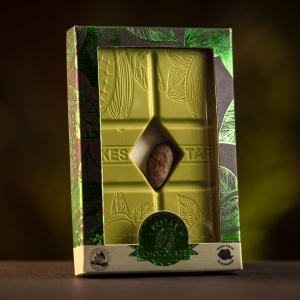
Artisanal chocolate Bean to Bar with Matcha - japanese green tea

Description
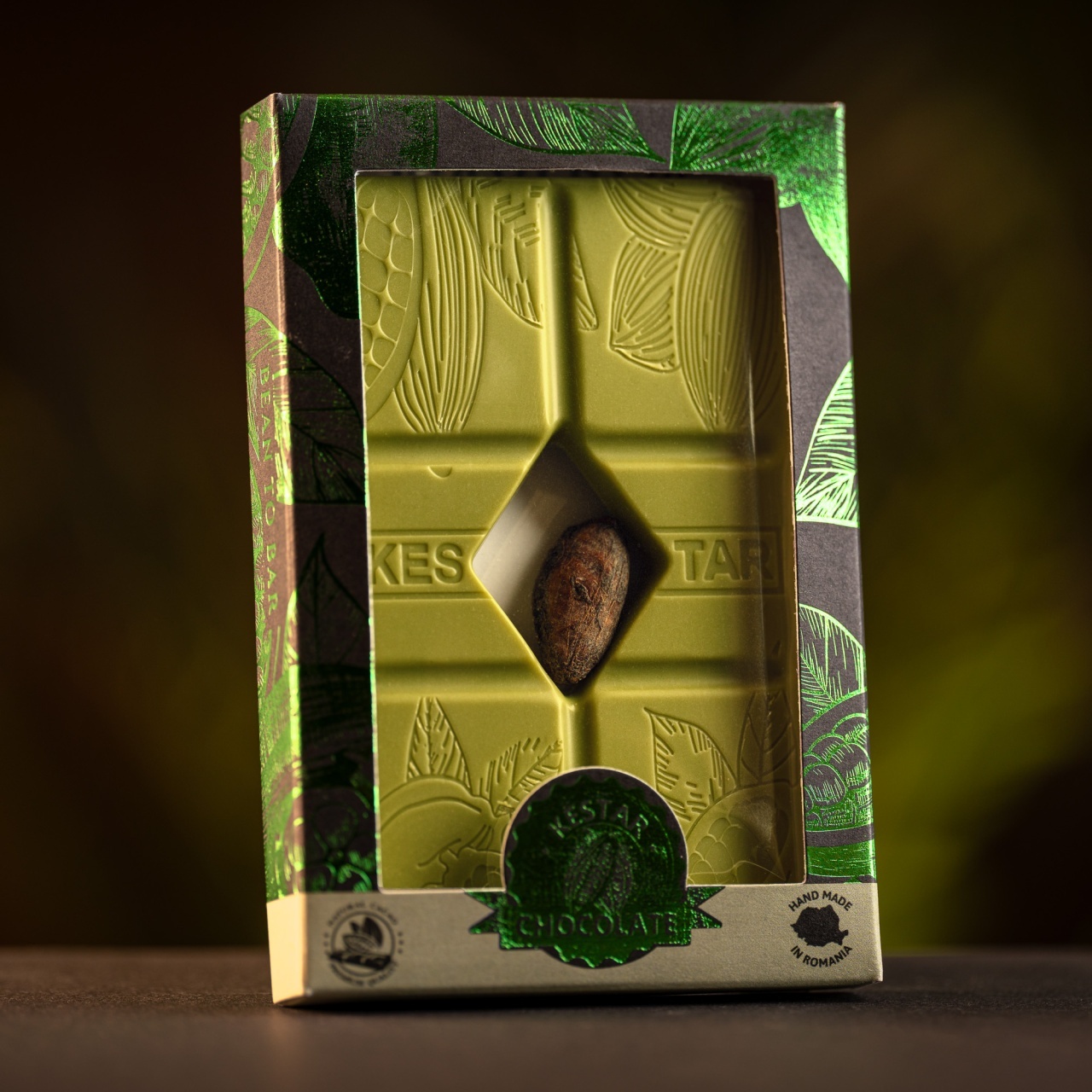
Flavor Profile: sweet notes of white flowers and honey, complemented by vegetal umami and delicate herbal nuances, with subtle hints of hazelnuts and a velvety, creamy body.
Ingredients: natural single-origin cocoa butter, unrefined cane sugar, 26% fat milk powder, Premium Grade Matcha from Uji, Japan.
Bean-to-Bar Chocolate with no artificial flavors or anything else that could alter the natural flavors already present in the cocoa beans.
Bean-to-Bar — What Does It Mean?
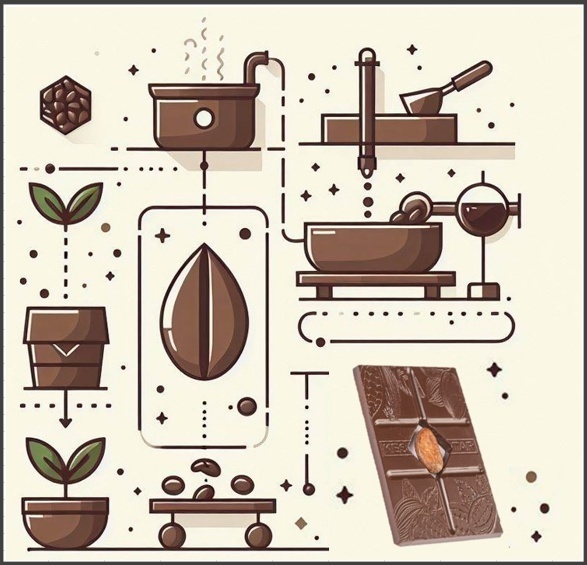
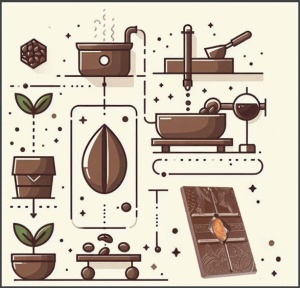
Bean-to-bar chocolate differs from most chocolate on the market because all stages involved in transforming raw cocoa beans into smooth, delicious chocolate take place in the same facility. By controlling the roasting process of the raw cocoa beans, we are able to discover and reveal surprising flavor notes.
For this particular chocolate, we have taken care of the extraction of cocoa butter from the raw cocoa beans.
Ingredients? We keep the recipe as simple as possible. We don't add anything that isn't necessary!
We were also tired of reading novels on nutritional labels, so we used only three ingredients.
What does this mean? It means that all the flavors and tasting notes in this chocolate are derived exclusively from the cocoa bean. During the manufacturing process, every step determines the flavor of the finished product, which is why we have developed and perfected unique profiles for each origin, designed to highlight the extraordinary flavors already present in the cocoa bean.
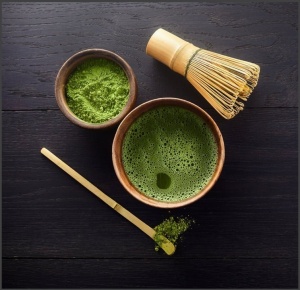
Of course, the green tea Matcha brings an unparalleled flavor profile that beautifully complements our chocolate.
Fun fact: the Latin name of the cocoa tree, Theobroma cacao, translates as “FOOD OF THE GODS.”
Roasting Cocoa Beans: A Sensory Science
When chocolate craftsmanship is at its finest, the chemistry taking place inside roasted cocoa beans can be experienced through all five senses.
Unroasted cocoa beans begin with an astringent, often unpleasant taste, with bitter, nutty notes caused by volatile acids created during fermentation.
But everything changes once the cocoa beans are roasted!
The Maillard reaction takes place as amino acids and natural sugars react and transform into a range of new aromatic compounds, visibly deepening and evening out the rich brown color the beans have already developed during fermentation. Meanwhile, the sharp smell of boiling vinegar gives way to the first joyful hints of that familiar aroma of warm chocolate.
As the heat rises further — snap! — excess moisture evaporates from the surface of the cocoa beans in a series of satisfying cracks, signaling that they are nearly ready to be removed from the heat.
Once the Artisan Chocolatier is satisfied with the roast, the reaction must be stopped quickly by cooling the beans to room temperature. Cooling racks, fans, and air conditioning are often called upon to achieve the best results.
Once the beans are cool enough to handle, the whole beans should be sufficiently brittle for the outer shells to separate easily, revealing the precious cocoa nibs inside.
Then comes the ultimate test: tasting. Some chocolate makers take the opportunity to check their creation themselves, trying a piece or two — one of the perks of the job!
Discovering the Perfect Roast
There is no single way to roast cocoa beans!
While mass-market chocolate manufacturers often adopt a one-size-fits-all approach, artisan chocolatiers know better: no two batches of beans are identical, and therefore the roasting process should not be either.
An artisan chocolate maker will adapt the roasting approach to each batch of beans, taking into account their type and origin, assessing their moisture content, removing damaged beans, and sorting them by size to ensure an even roast and optimal flavor development.
They must also decide whether to remove the cocoa nibs from their shells before or after roasting. While large-scale manufacturers generally choose to roast only the nibs, artisan chocolate making more commonly involves roasting the whole beans, allowing the nibs to absorb more of the aromas from the surrounding shell.
A “perfect” roast can be achieved using a variety of heat sources, including ovens, drum roasters, stovetop pans, hot-air guns, and even coffee roasters. Some methods, such as drum roasting, can create a more consistent roast, but in the right hands, there is no single piece of equipment that is inherently the best!
About Matcha — An Extraordinary Green Tea Rich in Antioxidants
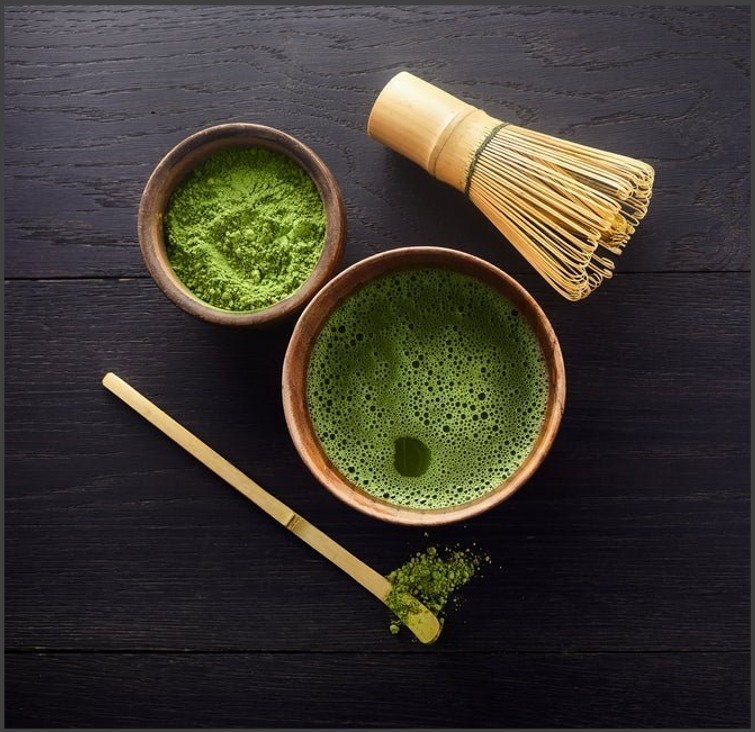
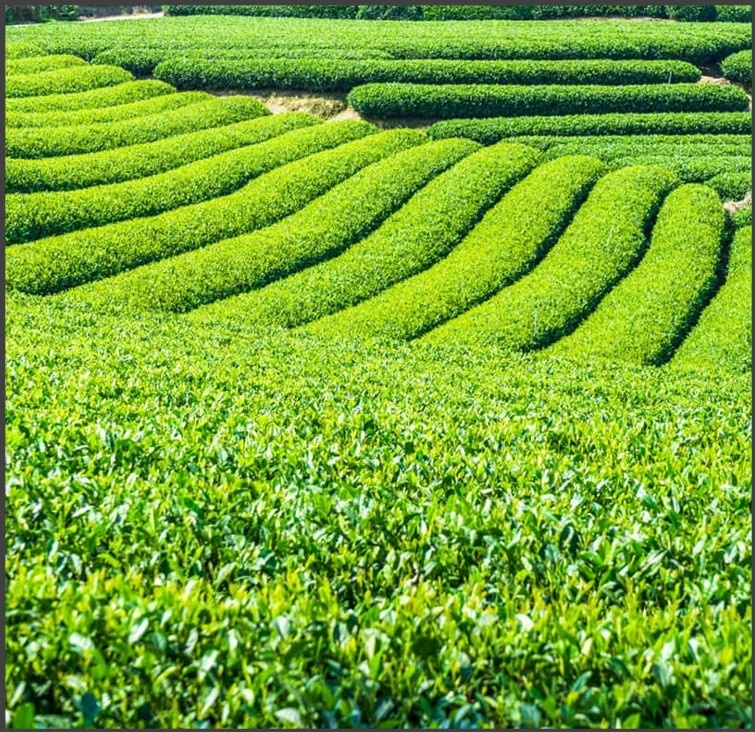
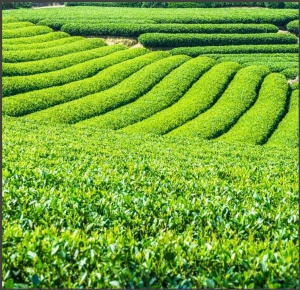
Premium Matcha from Uji is considered one of Japan's finest powdered green teas, thanks to the unique terroir of Kyoto and the centuries-old tradition of cultivating and processing tencha leaves. The Uji region is renowned for its fertile soils, morning mist, and artisanal techniques passed down from generation to generation, giving its matcha a distinctive and highly prized identity.
Matcha gained global attention with the growing interest in Japanese cuisine, mindfulness rituals, and premium beverages. Traditional Japanese tea ceremonies were popularized through media and gastronomy, while specialized brands began exporting first-harvest, organic, and single-cultivar lots to Western markets. Exposure through cooking shows and wellness culture further strengthened matcha's reputation as a luxury ingredient associated with quality and authenticity.
Premium matcha is made exclusively from young tencha leaves, which are shaded for approximately three weeks before harvesting. Shading reduces photosynthesis, increasing chlorophyll levels and amino acids such as L-theanine, which are responsible for the characteristic sweet-umami flavor.
For the highest-quality lots, harvesting is done by hand to select only the finest leaves. After harvesting, the leaves are steamed to stop oxidation, then dried and deveined, leaving only the tender leaf material. The leaves are slowly ground in stone mills to produce a fine powder with a silky, velvety texture. Some premium Uji matcha is described as first-harvest, shaded for 26 days, and stone-ground in small batches to preserve freshness.
Premium Uji Matcha has an intense green color, a sign of freshness and high chlorophyll content. Its aroma is complex, with sweet vegetal notes, hints of raw nuts or roasted chestnuts, and a creamy, rounded texture. The flavor is balanced, with pronounced umami and very little bitterness — characteristics associated with the highest-quality cultivars.
Premium matcha is often single-cultivar, meaning it comes from a single tea variety, resulting in a coherent and recognizable flavor profile. Some lots are produced in very small quantities and may be intended exclusively for traditional usucha or koicha preparation.
Uji's reputation is built on a combination of tradition, microclimate, and expertise, and many international brands source their matcha directly from farms in Kyoto to ensure authenticity.
Nutritional Values per 50 g of Product
Energy: 1214.75 kJ / 291.20 kcal
Fat: 19.52 g
of which saturated fatty acids: 12.55 g
Carbohydrates: 23.94 g
of which sugars: 23.94 g
Protein: 4.725 g
Salt: 0.14 g
Remember to let the chocolate melt in your mouth and breathe: 20% of flavor comes from the tongue, while 80% comes through the nose. The second bite of chocolate will reset the initial flavor and allow you to experience the dancing tasting notes with greater clarity.
Our chocolates are handcrafted from start to finish — from processing the cocoa beans all the way through wrapping, boxing, and creating and applying the labels.