


COSTA RICA Finca Pinitos Villa Sarchi
Description

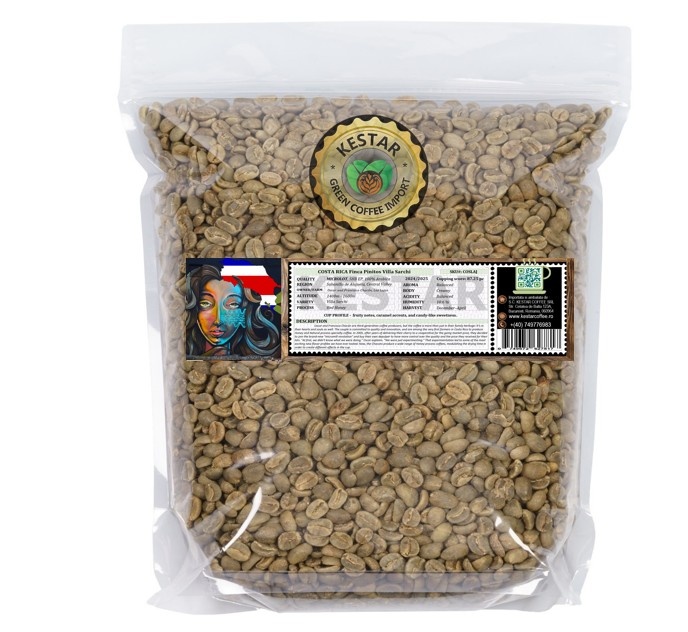
Red Honey Process; SCA Score: 87.25 points
Flavor with fruity notes and hints of caramel, candy-like sweetness.
Oscar and Francisca Chacón are third-generation coffee producers, but coffee is more than just part of their family heritage: it is also in their hearts and souls. The couple is dedicated to quality and innovation, and they are among the first farmers in Costa Rica to produce specialty honey and natural coffees.
In 2005, after years of delivering their cherries to a cooperative at market prices, they decided to join the new “micromill revolution” and purchase their own depulper to have greater control over the quality and the price they received for their lots. “At first, we didn’t know what we were doing,” explains Oscar. “We were just experimenting.” This experimentation led to some of the most interesting new flavor profiles we have ever tasted: today, Chacons produce a wide range of honey-processed coffees, adjusting drying times to create different effects in the cup.
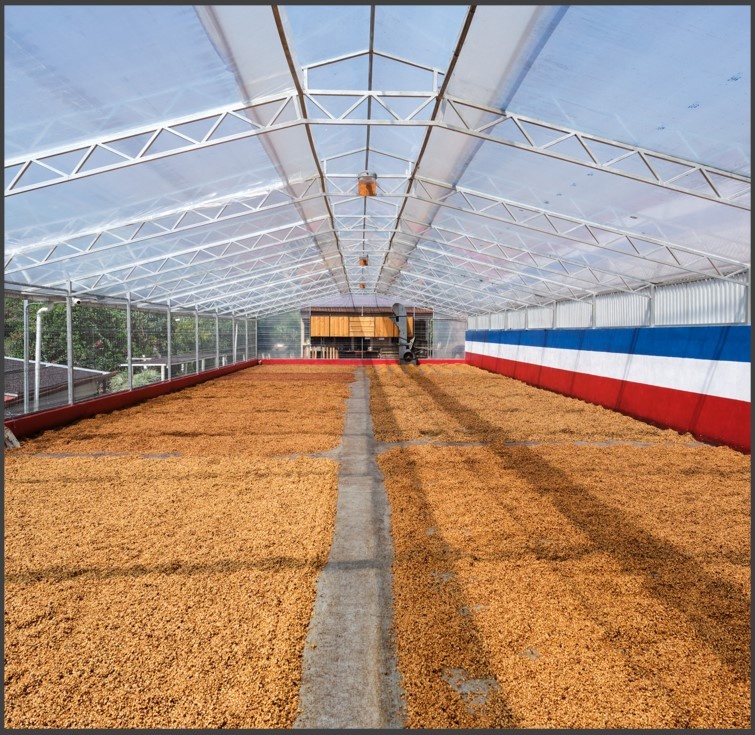
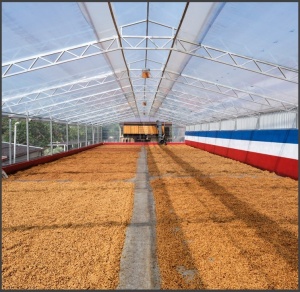
Necessity generated further innovation for the family when an earthquake in 2008 destroyed electricity and water supplies in their area during the harvest. Unable to operate the depulpers or wash the mucilage to produce washed lots, Francisca drew on her knowledge of African coffee production and quickly built raised drying beds on the property. Their natural lots caught the attention of Cafe Imports founder Andrew Miller, and the rest is both history and our story.
Las Lajas also owns the following farms where they grow their coffee: Calle Liles, Calle San Juan, Los Angeles, Los Pinitos, Sabana Redonda, Sabanilla, San Luis, Calle Lajas.
What does the Red Honey process involve?
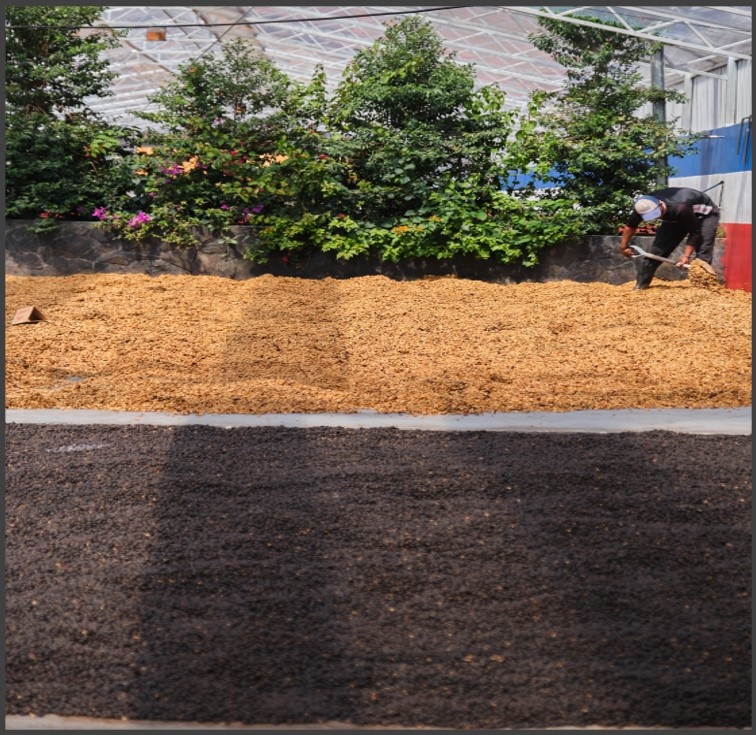
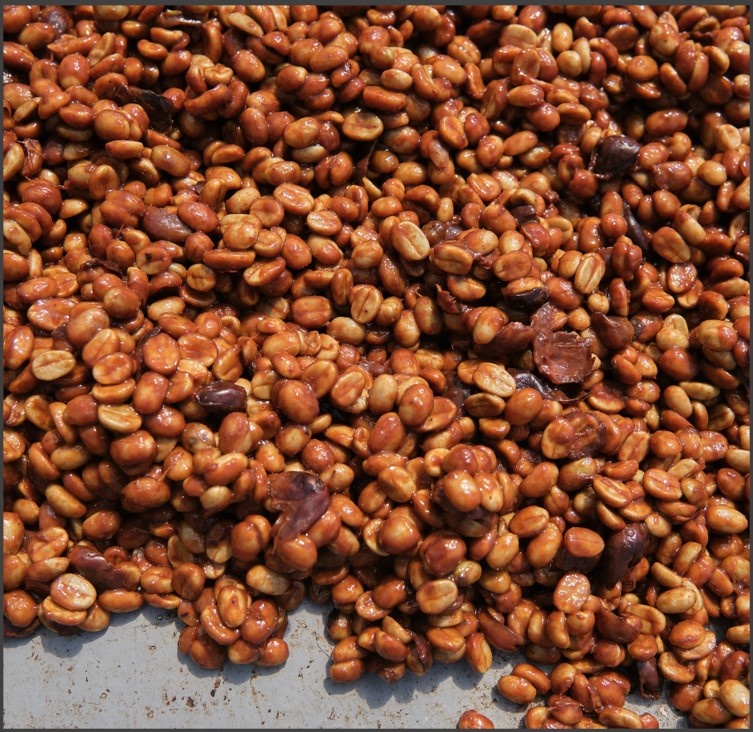
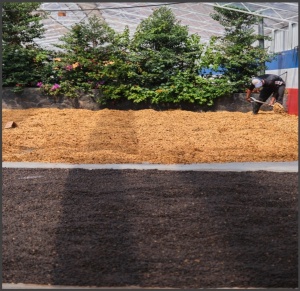
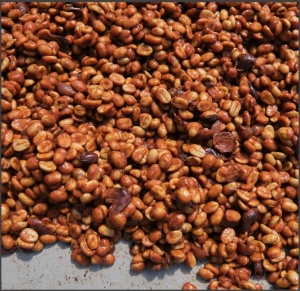
This is a honey process in which, after the ripe cherries are sorted, they are depulped, leaving 100% of the mucilage intact, and then transferred to raised drying beds. On the first day of drying, the beans are not moved at all; starting on the second day, they are turned twice a day to reduce the coffee’s moisture content.
Costa Rica is becoming quite famous for its honey-processed coffees. This processing style is similar to Pulped Natural in Brazil, except that in Costa Rican preparations, usually 100% of the mucilage is left on the coffee seeds before they are dried. While different mills and micromills use slightly different techniques to produce their honey coffees, in general, the coffee is first harvested and delivered, then sorted to remove defective and damaged beans. The coffee is then depulped, removing only the skin while leaving the mucilage intact; it is then dried on patios or raised beds, and the drying profile has the greatest impact on whether the honey is a white/yellow, red, or black version of the process.