


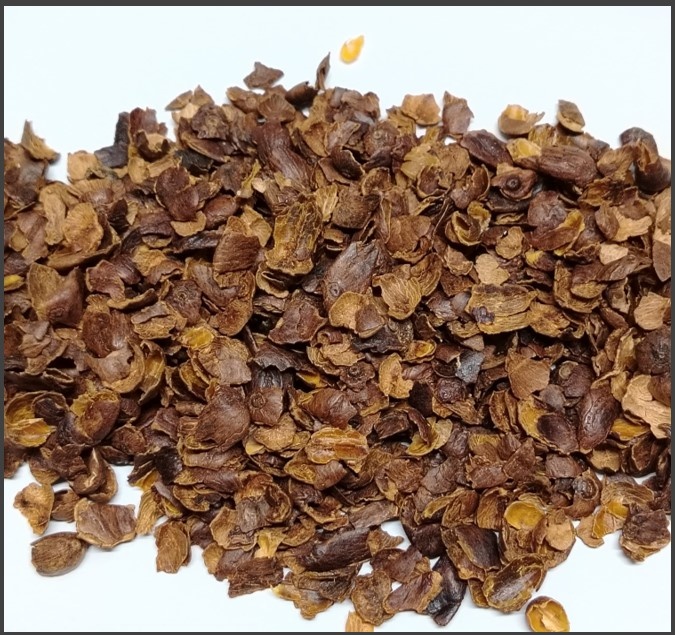
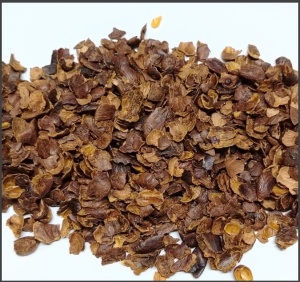
COSTA RICA Hacienda Sonora CASCARA - Dried coffee cherry pulp, seedless
Description
PROCESSING: Natural Cascara
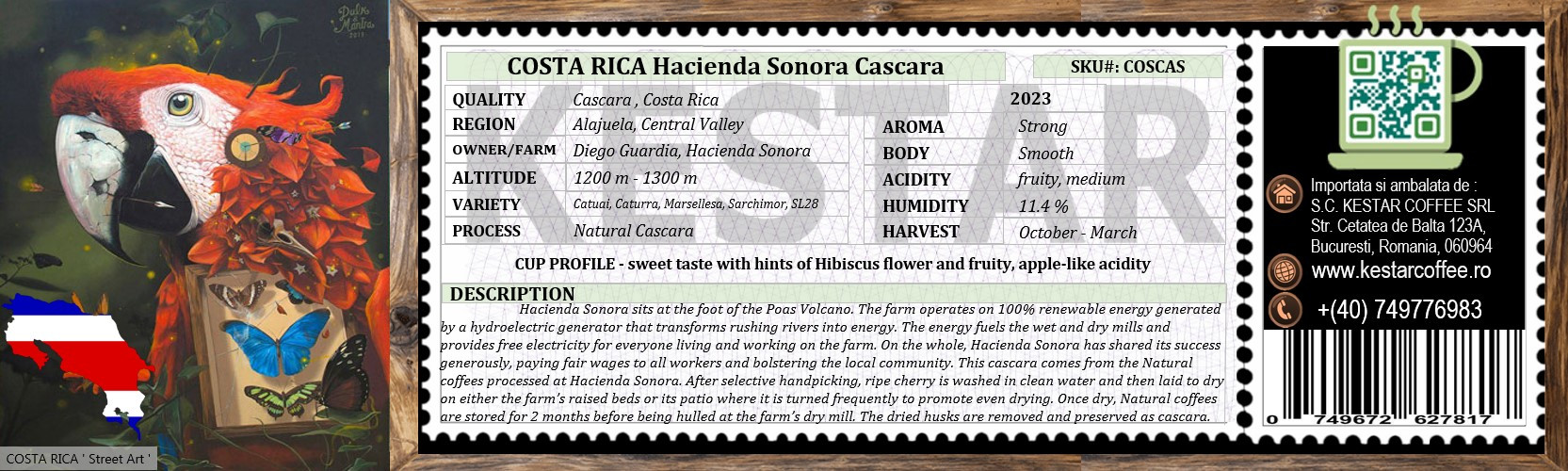
Sweet honey flavor with notes of Hibiscus flower and fruity apple acidity
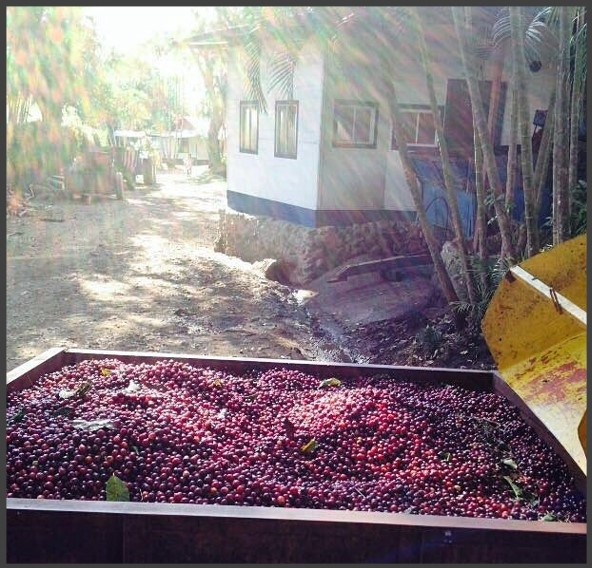
Hacienda Sonora is located at the foot of the Poas Volcano. The farm operates on 100% renewable energy generated by a hydroelectric generator that transforms the rushing rivers into energy. The energy powers the wet and dry mills and provides free electricity to everyone who lives and works on the farm. Overall, Hacienda Sonora has generously shared its success by paying fair wages to all workers and supporting the local community. The farm and its mill cover approximately 100 hectares. Of these, 45 hectares are dedicated to shaded coffee fields. The coffee plants are surrounded by exotic trees and other native vegetation. This biodiversity promotes soil health and keeps the soil rich in nutrients that help grow dense and delicious cherries. The remaining land includes a 35-hectare wild forest reserve and 20 hectares dedicated to sugar cane, which has been cultivated on the Hacienda Sonora property for more than 150 years.
Hacienda Sonora has its own micro-mill, allowing the farm to keep lots separated by variety and create unique microlots. The mill is centrally located, right next to a traditional sugar cane mill that has remained intact for more than 150 years.
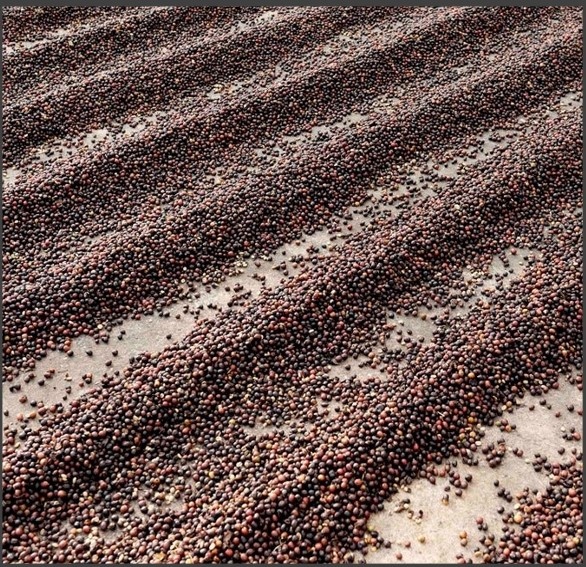
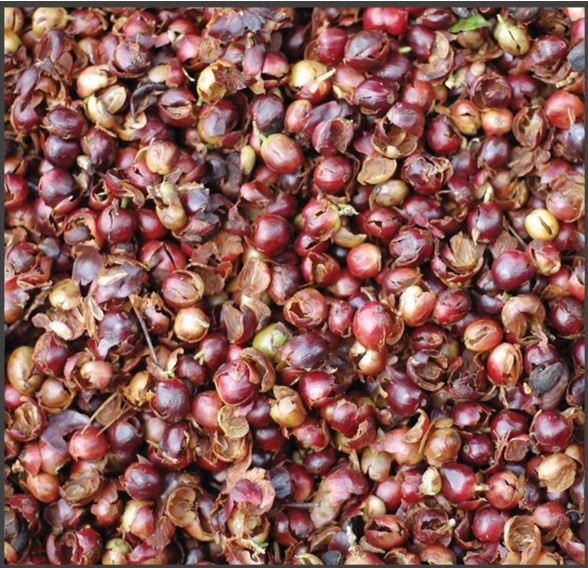
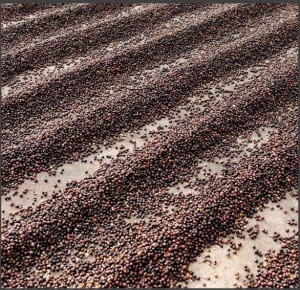
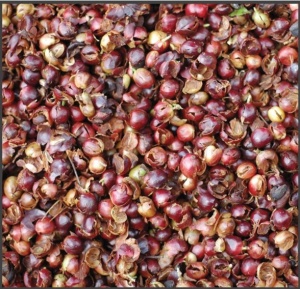
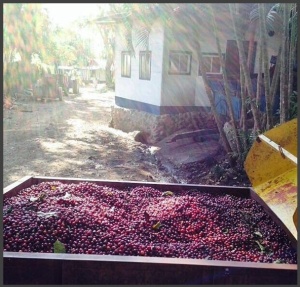
This cascara comes from naturally processed coffees at the Sonora farm. After the carefully selected ripe cherries are hand-picked, they are washed in clean water and then placed to dry either on the farm’s raised beds or on its patio, where they are turned frequently to promote even drying. Once dried, the natural coffees are stored for 2 months before being hulled at the farm’s dry mill. The dried husks are removed and preserved as cascara.
What is Cascara?
The term Cascara comes from Spanish and refers to the dried husk of the coffee cherry. The term translates as skin or husk. It is consumed primarily in Ethiopia, Bolivia, Yemen, as well as in other places.
You may not know that a coffee bean is actually the seed inside a coffee cherry. Usually red, but sometimes yellow or orange when grown in shade, a coffee cherry typically contains two seeds, which we call coffee beans. The two beans side by side in the center of the coffee cherry are covered with a thin layer of mucilage, which is protected by the outer skin. That outer skin is what cascara is made from. Although the peeled husk is often turned into compost, many farmers collect it, sun-dry it, and package it as cascara, which takes several months to mature and turns dark red when ready.
The beverage obtained from this product does not easily fit into a category that most people are familiar with. In general, the consensus seems to be that it is closer to a fruity herbal tea.
As shown by a study conducted by Square Mile Coffee Roasters, the caffeine content of a cup of cascara is approximately one-fifth that of a regular cup of coffee. “Even at the strongest and longest brew, the caffeine content in cascara reached 111.4 mg/liter, compared with the broad range of approximately 400–800 mg/liter in brewed coffee,” the study states.
In other words, technically, you can consume more of it compared with regular coffee without having to worry about consuming too much caffeine.
What are the benefits?
Cascara boasts a high level of antioxidants, especially polyphenols. According to a scientific study published in Oxidative Medicine and Cellular Longevity, “long-term consumption of diets rich in plant polyphenols provides protection against the development of cancer, cardiovascular diseases, diabetes, osteoporosis, and neurodegenerative diseases.” Clearly, having a single cup of cascara will not make you the healthiest person around, but consuming the beverage regularly over the years may be beneficial.
Other advantages include its very distinctive and unique flavor profile, which many coffee and tea drinkers seek when looking for their next great beverage, its potential health benefits compared with energy drinks (which some people claim have similar profiles), and its overall sustainable impact.
How is it consumed?
The beverage can be served hot or cold.
If preparing it hot, you will need approximately three tablespoons of dried cascara for every 250 ml cup. Place the husks in a tea strainer or French press, boil approximately 250 ml of water, and pour the hot water over the husks using your chosen brewing method. Let the cascara steep for five minutes and then strain or press it before pouring it into the cup.
If you would like to prepare it cold, you will need five tablespoons of husks for every 250 ml cup. The initial step is identical to the process mentioned above: place the cascara in a tea strainer or French press. Then pour 250 ml of cold water over the husks, let it steep overnight, press or strain it, pour it into a cup, and refrigerate the mixture for several hours.