

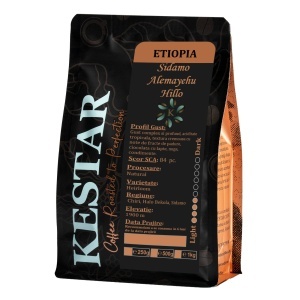
ETHIOPIA Sidamo Alemayehu Hillo

Description
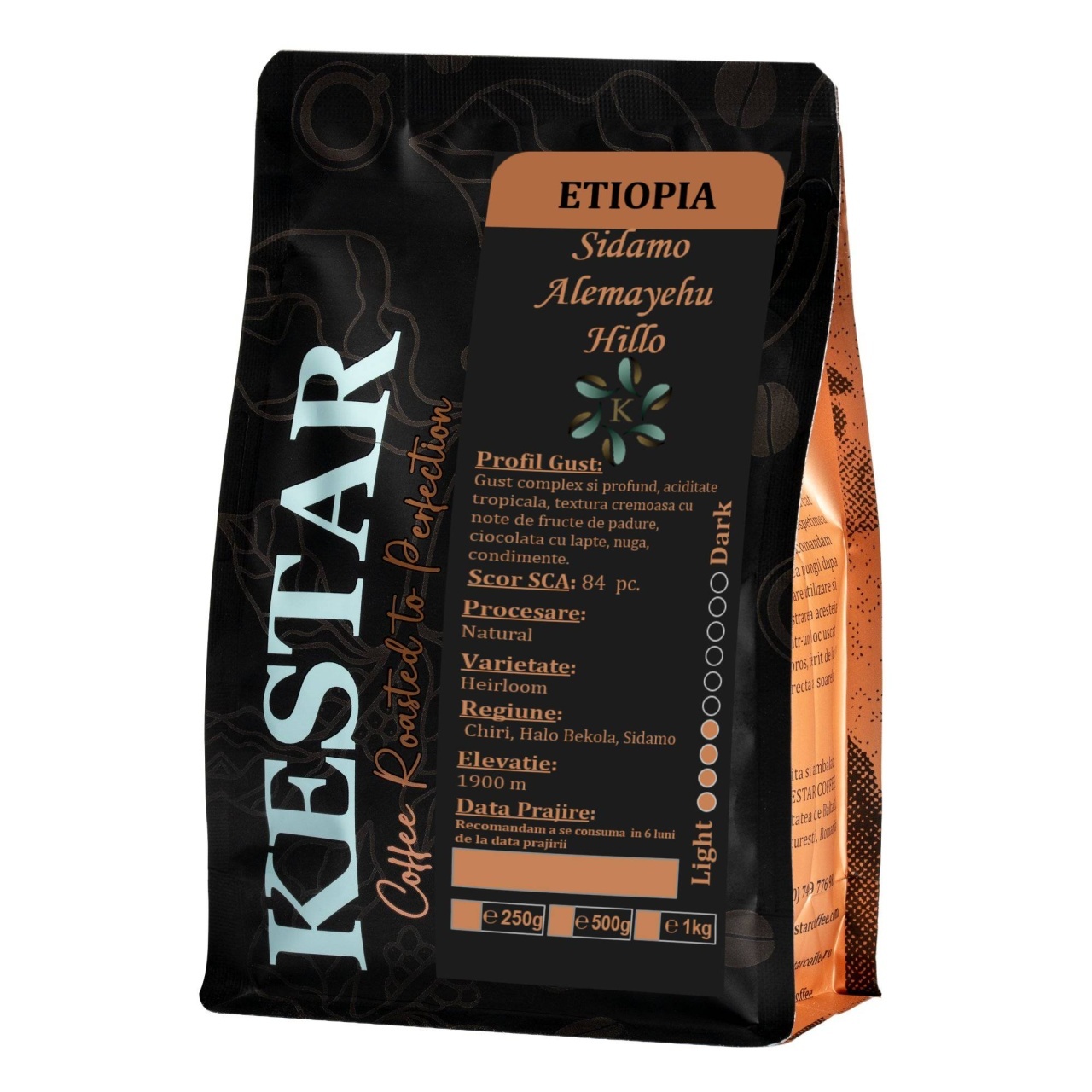
Roast Profile: Suitable for both espresso and filter brewing.
Grind: Whole beans (standard delivery).
Recommended Degassing Period:
- Espresso: 10–14 days after roasting
- Filter: 7 days after roasting
To ensure maximum freshness, KESTAR COFFEE roasts every coffee to order. By default, all coffees are shipped as whole beans in premium packaging equipped with a one-way degassing valve to preserve freshness and aroma.
If you would like your coffee ground, please specify your preferred brewing method in the "Order Comments" section before completing your purchase (e.g. espresso, filter, moka pot, Turkish coffee, French press, etc.).
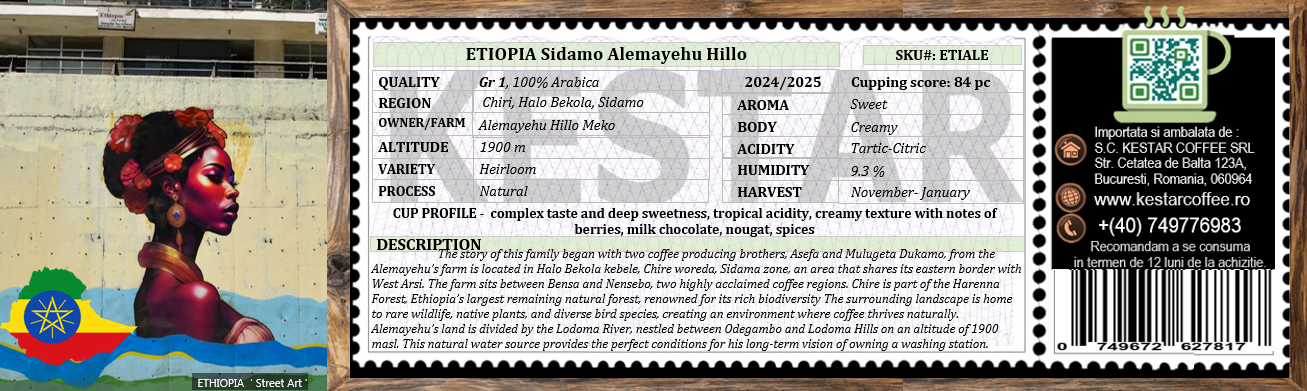
PROCESSING: Natural;
SCA Score: 84 points
Cup Profile: A pronounced cup with complex and deep sweetness, tropical acidity, creamy body, and notes of berries, milk chocolate, nougat, and spices.
Alemayehu Hillo Meko’s journey in the world of coffee began with a 2-hectare plot of land inherited from his father, who divided his property among his six sons. Rather than limiting himself to the land he received, Alemayehu followed his ambition and gradually purchased neighboring farms from local farmers who migrated toward the Bale region. Today, his farm covers 6.55 hectares.
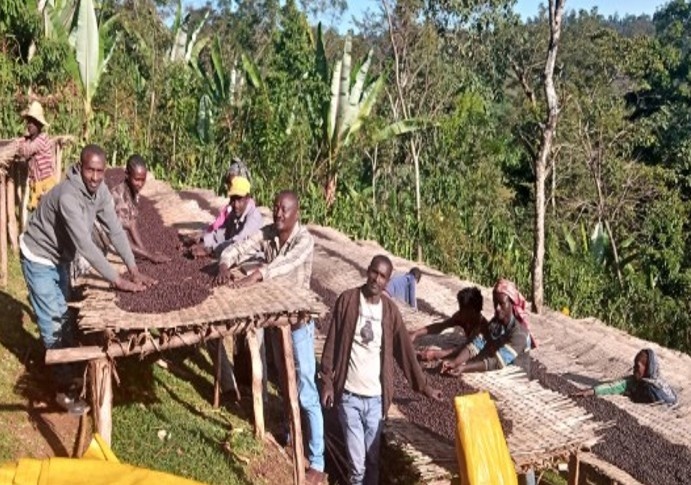
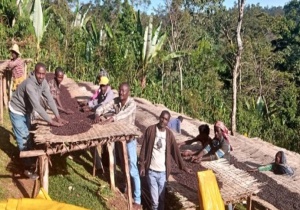
Together with his wife, Alemayehu manages the farm and carefully oversees every stage of production, from cherry selection to drying. During the harvest season, they employ up to 50 workers daily to handle the increased workload. In addition to coffee production, the family also raises livestock, providing an additional source of income.
In 2020, Alemayehu obtained his own export license, allowing him to sell coffee directly to international buyers. However, building strong and long-term commercial relationships has proven challenging, and he has often relied on the local market and intermediaries. His dream is to establish his own washing station, giving him complete control over processing and quality while achieving better prices and greater recognition for his coffee.
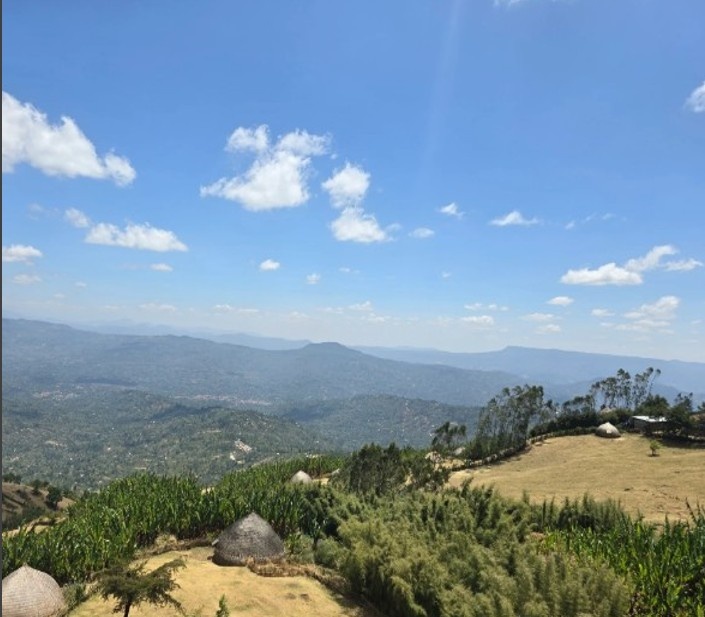
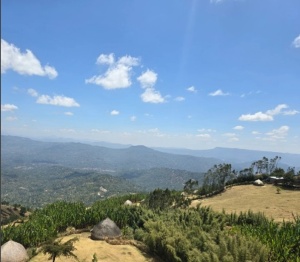
Alemayehu’s farm is located in Halo Bekola, Chire, in the Sidama region, an area bordering West Arsi to the east. The farm lies between Bensa and Nensebo, two highly regarded coffee-growing areas. Chire is part of the Harenna Forest, the largest remaining natural forest in Ethiopia, known for its exceptional biodiversity. The surrounding landscape is home to rare wildlife species, native plants, and a remarkable variety of birds, creating a natural environment where coffee thrives.
The farm is crossed by the Lodoma River and is located between the Odegambo and Lodoma hills at an altitude of 1,900 meters above sea level. This natural water source supports Alemayehu’s long-term vision of building his own washing station, allowing him to fully control the processing methods and preserve the exceptional quality of his coffee.