


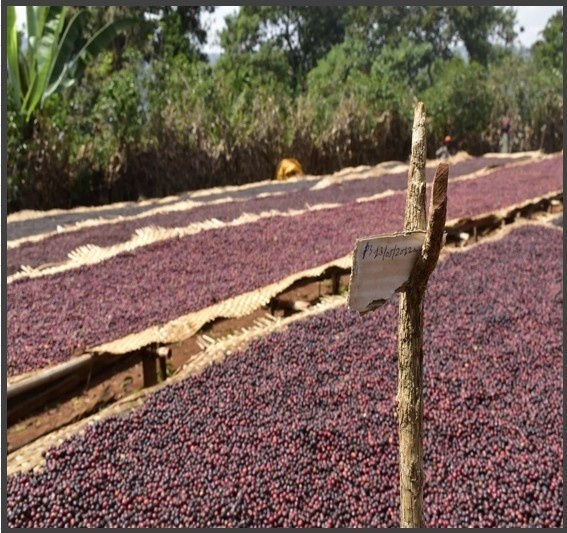
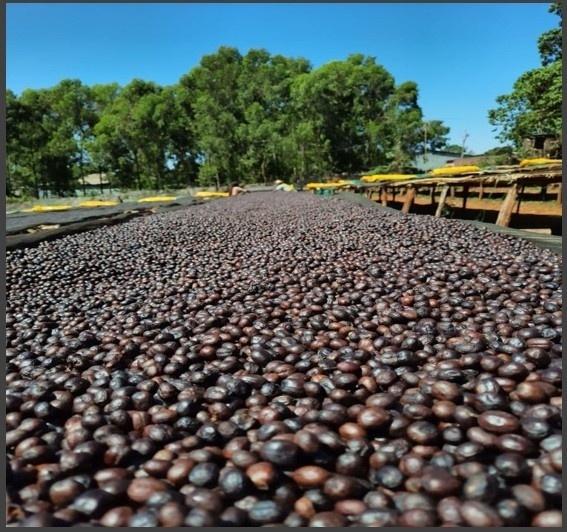
ETHIOPIA Yirgacheffe Chelichele Anaerobic Natural Oro Yeast Gr 1

Description

Process: Anaerobic Natural – ORO Yeast; SCA Score: 87;
Flavor profile with notes of orange blossom, mandarin, peach, milk chocolate, vanilla, and brown sugar.
As more producers and washing stations enter the specialty coffee sector, unconventional processing methods have become a way to stand out in an increasingly competitive market. One of these relatively new methods is anaerobic fermentation.
Anaerobic fermentation takes place in hermetically sealed containers. Once sealed, the microorganisms responsible for fermentation quickly consume the oxygen available inside. At that point, the environment becomes anaerobic, meaning oxygen-free. Under these conditions, microorganisms that thrive in the presence of oxygen struggle to survive, while those that can flourish in an environment rich in carbon dioxide, a common byproduct of aerobic microbial activity, can become dominant during fermentation.
Microorganisms are incredibly diverse and have the ability to produce a wide range of aromatic compounds in coffee. Aerobic microorganisms, which utilize oxygen, can produce different flavor outcomes compared to anaerobic microorganisms. Therefore, simply changing the resources available to microorganisms during fermentation can result in dramatically different flavor and aroma profiles.
Farmers in Yirgacheffe typically grow coffee plants alongside other food crops in a traditional intercropping system. This method is common among smallholder farmers because it maximizes the use of available land while also providing food for their families.
In addition to practicing traditional intercropping, most farms are managed organically by default, without necessarily holding formal organic certification. Farmers in Yirgacheffe generally use very few fertilizers or pesticides, and in many cases, none at all. Most farm work is carried out manually by family members.
To make the most of the region’s favorable climate, Worka Chelichele provides farmers with training designed to help them produce higher-quality coffee cherries. The training focuses particularly on proper harvesting and cherry transportation techniques, helping preserve the quality of the fruit from the farm to the processing station.