


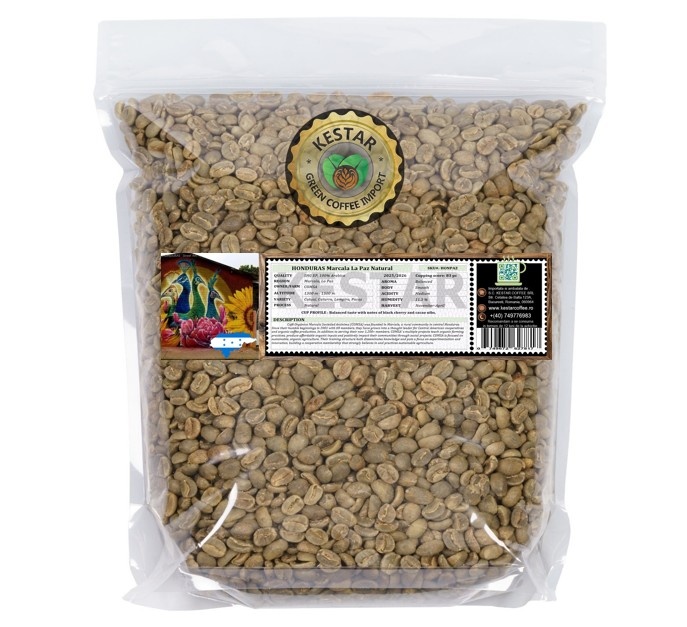
HONDURAS Marcala La Paz Natural
Description
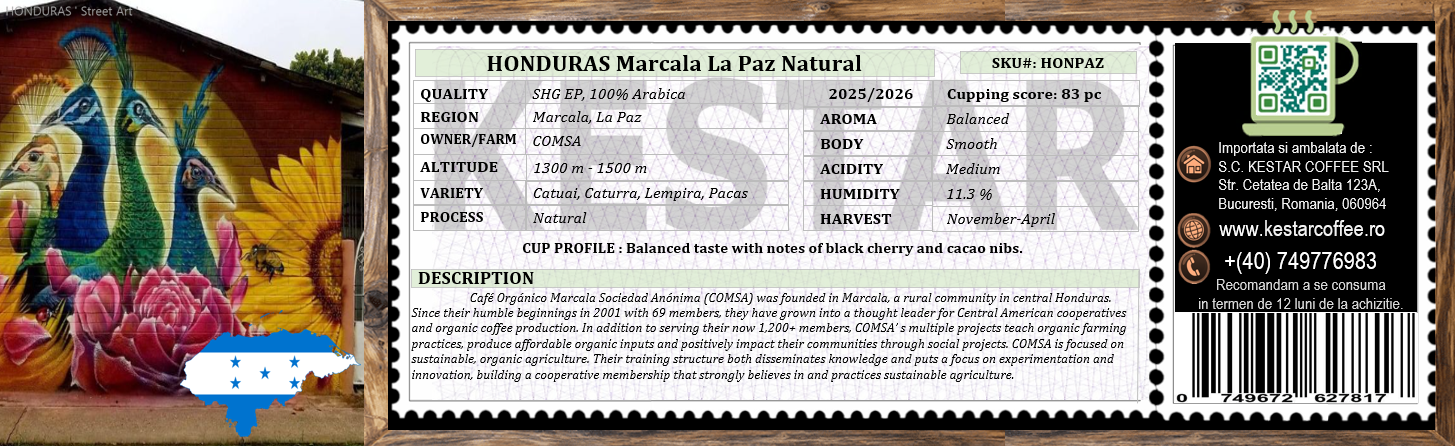
Natural Processing; SCA Score: 83 points
Balanced flavor with notes of black cherries and cocoa nibs.
Honduras, a small but formidable coffee producer, boasts the highest per-capita coffee production in the world. Since 2017, it has consistently ranked third globally in Arabica production volume. With ideal growing conditions, fertile soils, high altitudes (with most farms located above 1,000 meters), and diverse microclimates, Honduras possesses all the necessary ingredients to become a specialty coffee producer.
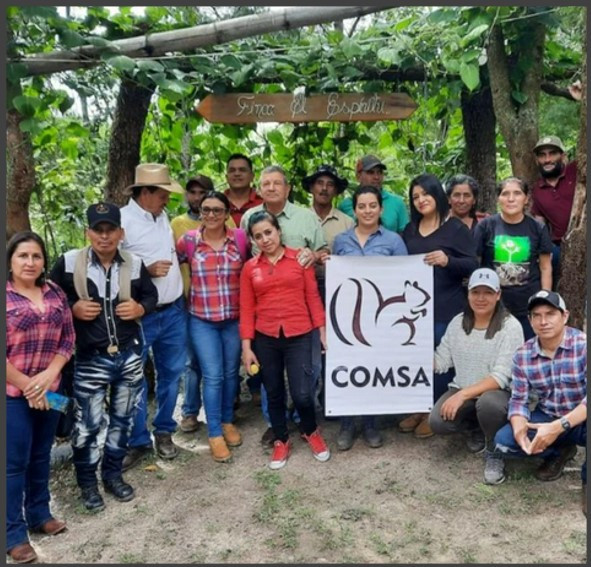
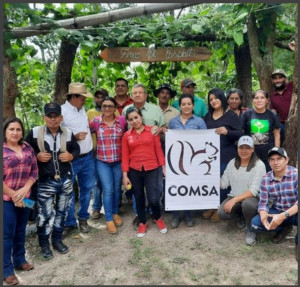
Café Orgánico Marcala (COMSA) was founded in December 2001 with the vision of providing new development opportunities for smallholder coffee farmers in the Marcala region. Initially formed by 69 small-scale Lenca farmers, COMSA set out to collectively sell their coffee under the umbrella of a rural credit union. At the time, conventional, chemical-based production practices were predominant in the region, and farmers often sold their coffee to local intermediaries at prices that did not even cover their production costs. COMSA's founding objectives included transitioning from conventional production methods to organic practices and moving from commercial buyers to specialty buyers. The initial challenges were immense, as transitioning to organic practices can lead to significant decreases in production yields, causing some members to become discouraged and leave the organization.
In addition to serving its more than 1,200 members, COMSA is involved in several projects that educate farmers about organic farming practices, produce affordable organic inputs, and positively influence their communities through various social initiatives.
When COMSA acquired Finca La Fortaleza, the land had been abandoned. However, under their care, it was transformed into a model farm for COMSA members and serves as a primary training center for cooperatives not only in Honduras but beyond. The farm includes facilities dedicated to farmer training and courses, while the on-site cabins accommodate a wide range of visitors, from eco-tourists to NGO workers and field technicians from other cooperatives.
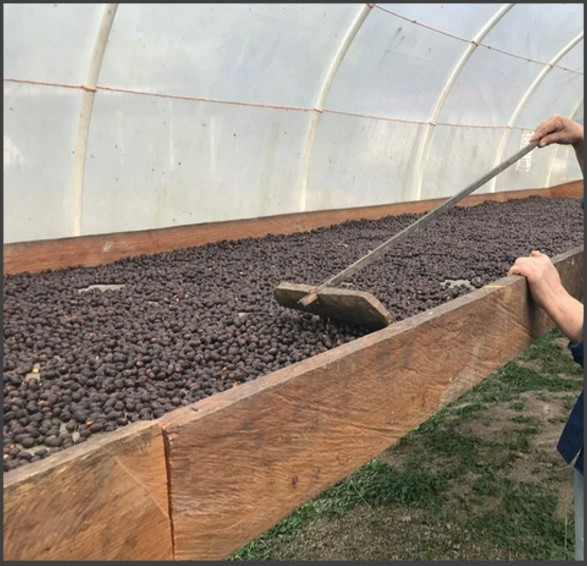
Natural Process:
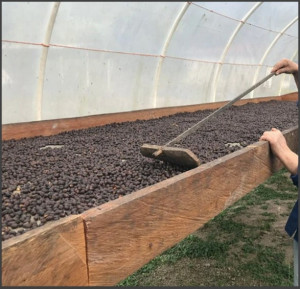
The first step involves selecting and cleaning the ripest coffee cherries, discarding those that are not sufficiently ripe or show imperfections. The cherries are then dried on African raised beds for approximately 20 days, with frequent raking to ensure consistent drying. This drying stage is critical to the final quality and flavor of the coffee.