


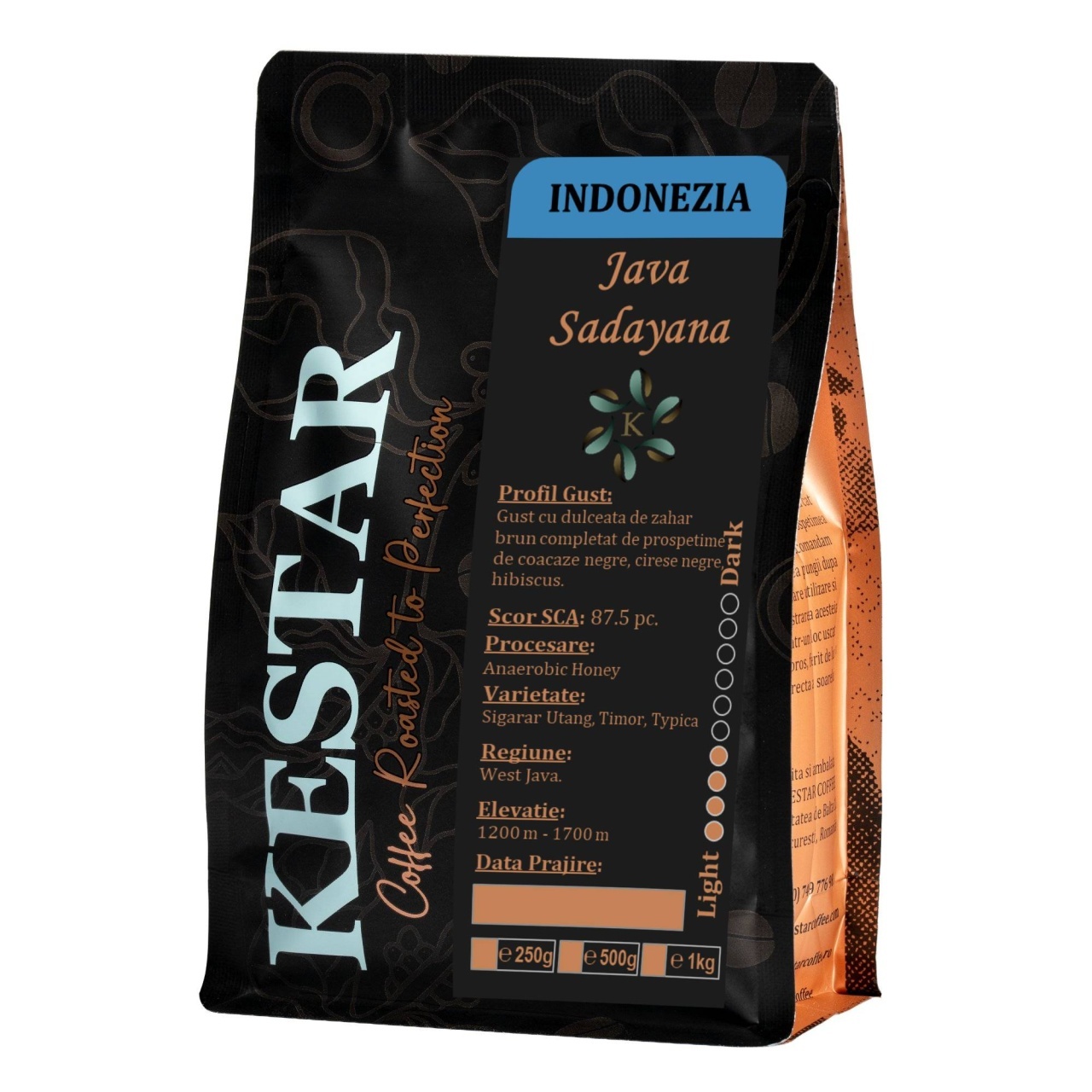
INDONESIA Java Sadayana Anaerobic Honey

Description
Roast Profile: Suitable for both Espresso and Filter brewing.
Grind: Whole beans (standard option).
Recommended Resting Time After Roasting:
- Espresso: 10–14 days
- Filter: 7 days
At KESTAR COFFEE, every batch is roasted to order to ensure maximum freshness. Coffee is supplied as whole beans by default and packed in a premium valve bag that allows natural degassing while preserving freshness and aroma.
If you would like your coffee ground, simply leave a note in the Order Comments section before completing your purchase. Please specify your preferred brewing method, such as espresso, filter, moka pot, French press, Turkish coffee, or any other preparation method, and we will grind it accordingly.
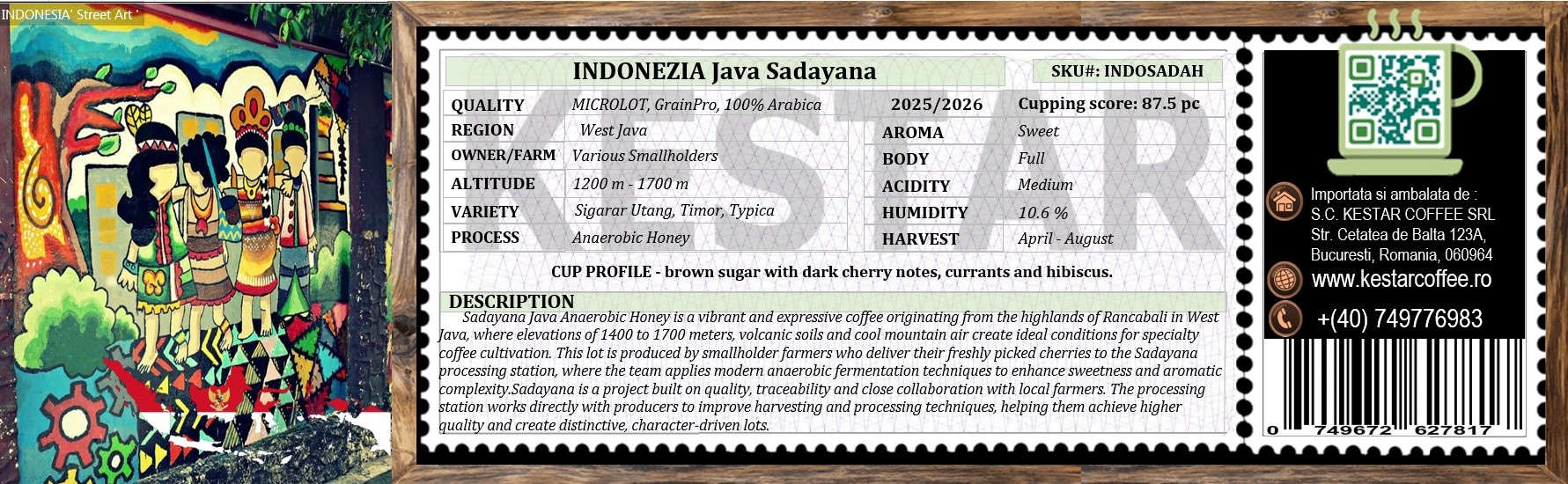
PROCESSING: Anaerobic Honey | SCA SCORE: 87.5 pts.
FLAVOR PROFILE: Brown sugar complemented by the freshness of blackcurrant, black cherry, and hibiscus
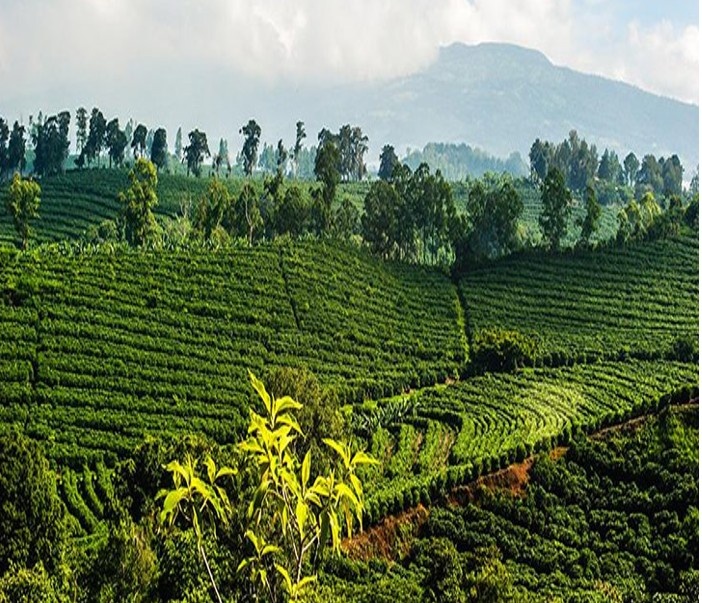
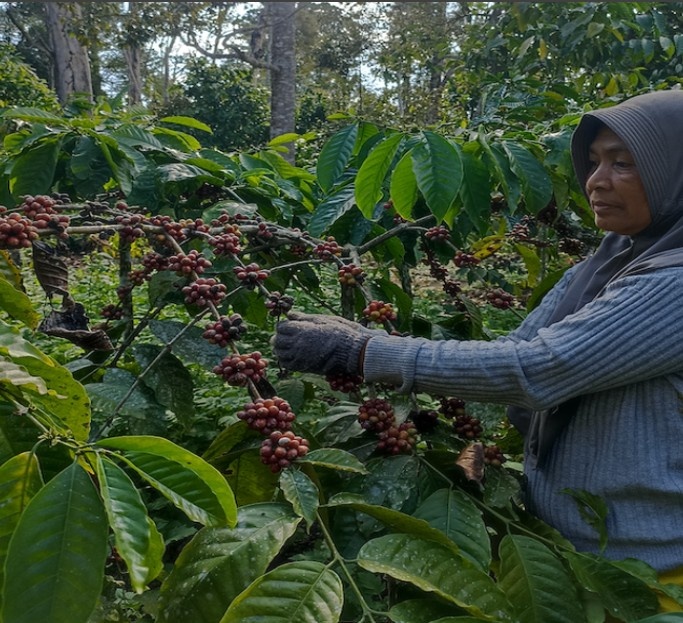
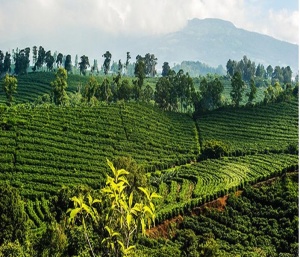
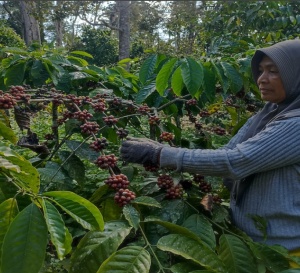
Java Sadayana Anaerobic Honey is a coffee that combines Indonesian tradition with modern processing techniques, resulting in a clean, fruity, and surprisingly elegant aromatic profile for an origin more commonly known for bolder, more intense notes. Sourced from the West Java region, this coffee is collected from more than 200 farmers growing varieties such as Sigarar Utang, Timor, and Typica, at elevations ranging from 1,200 to 1,700 meters above sea level. The fertile soils and mountainous climate contribute to the development of dense beans with high aromatic potential.
Sadayana is the name of the processing station established in 2022, a project designed to provide farmers with access to modern resources, agricultural guidance, and quality planting material. The name comes from the Sundanese language and means “to work together,” reflecting the collaboration between the local community and the partners supporting the development of this origin.
The anaerobic honey process gives this coffee a distinctive identity. The cherries are hand-selected and then undergo 120 hours of anaerobic fermentation in sealed Ecotact bags. After depulping, the beans are dried slowly on raised beds for 10 to 14 days, with frequent turning to ensure even drying. This method brings clarity, sweetness, and bright fruity notes while preserving the distinctive character of Java coffees.
In the cup, Sadayana West Java Anaerobic Honey offers a harmonious combination of classic Indonesian flavors and modern fruity accents characteristic of anaerobic honey processing. It is an ideal coffee for those seeking a refined and distinctive experience from a region that is rapidly evolving within the specialty coffee world.
The history of coffee in West Java is one of the oldest and most influential in the entire Indonesian archipelago, and many of the milestones of modern coffee culture have their roots here. The region was one of the first areas where the Dutch introduced Arabica coffee in the 17th century, before the plant spread to Sumatra, Sulawesi, and Flores. Java quickly became a strategic agricultural center, and its coffee became so renowned that the term “Java” became synonymous with coffee in many parts of the world.
In West Java, early plantations were established in mountainous areas, where high elevations and volcanic soils created ideal conditions for Arabica. Over the centuries, the region experienced periods of prosperity and decline, influenced by plant diseases, political changes, and economic transformations. Following the coffee leaf rust epidemic of the 19th century, many plantations were replanted with resistant varieties such as Timor and S-line, which are still cultivated today.
Today, coffee from West Java combines tradition with innovation. The region remains a symbol of the historical origins of Indonesian coffee, while also serving as a modern laboratory where techniques such as anaerobic fermentation and honey processing are used to create new and surprising flavor profiles. This continuity between past and present gives West Java coffees a distinctive identity, recognized and appreciated around the world.