


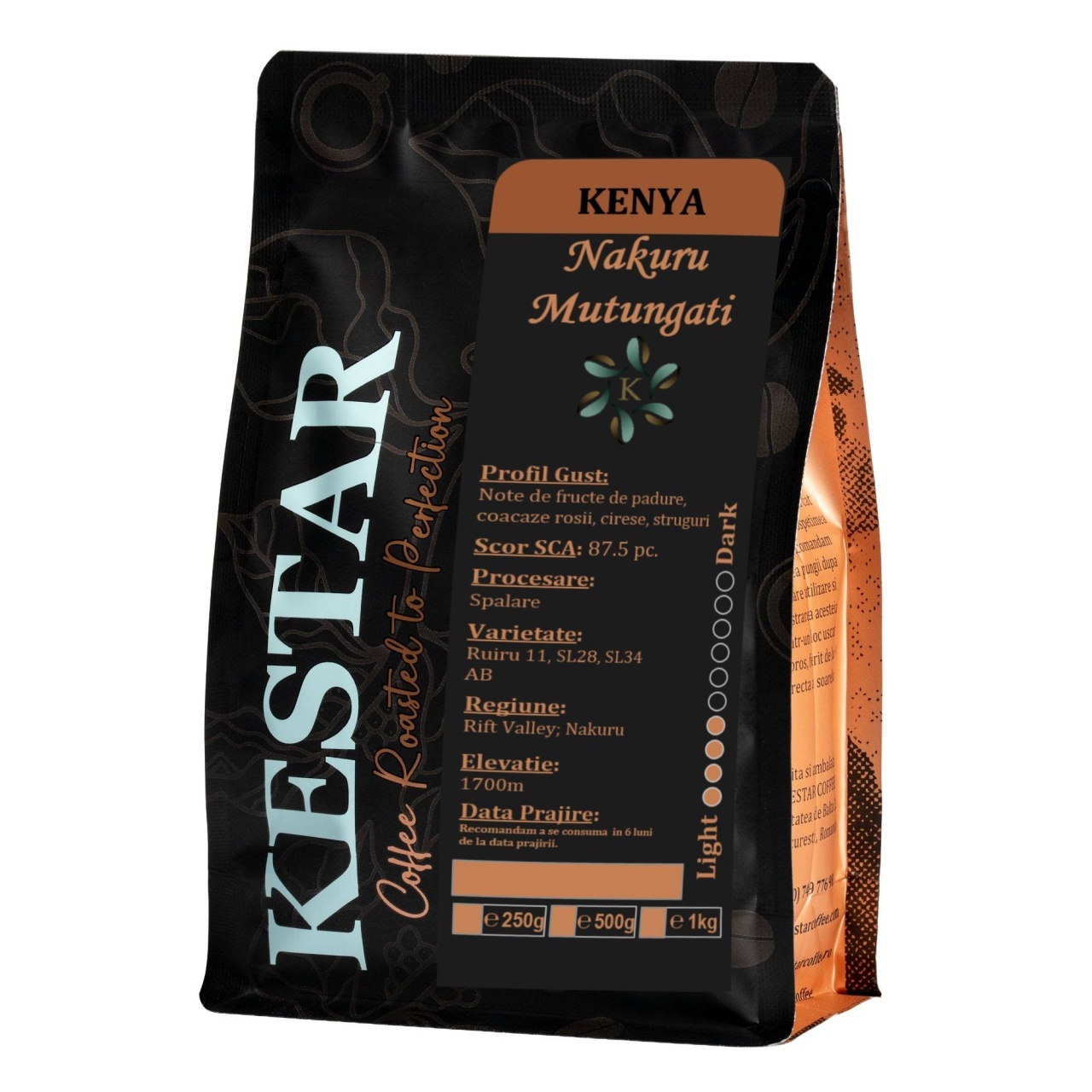
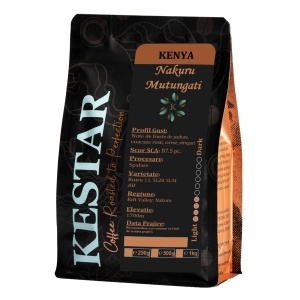
KENYA Nakuru Mutungati AB

Description
Roast Profile: Suitable for both espresso and filter brewing.
Grind: Whole beans (standard delivery).
Recommended Degassing Period:
- Espresso: 10–14 days after roasting
- Filter: 7 days after roasting
To ensure maximum freshness, KESTAR COFFEE roasts every coffee to order. By default, all coffees are shipped as whole beans in premium packaging equipped with a one-way degassing valve to preserve freshness and aroma.
If you would like your coffee ground, please specify your preferred brewing method in the "Order Comments" section before completing your purchase (e.g. espresso, filter, moka pot, Turkish coffee, French press, etc.).

PROCESSING: Washed;
SCA Score: 87.5 points
Aroma Profile: Vibrant notes of berries, red currants, cherries, and grapes.
Mutungati Farmers’ Cooperative Society (FCS) is a smallholder coffee cooperative established in 1985. Today, it has more than 450 registered members. The Mutungati washing station is located in Nakuru County, within Kenya’s Rift Valley region, at an altitude of approximately 1,700 meters above sea level. The area is characterized by fertile red volcanic soils rich in organic matter, creating ideal conditions for producing high-quality coffee.
Nakuru County lies in western Kenya and has not traditionally been the first region associated with the country’s specialty coffee. That distinction has historically belonged to the counties of the Central Highlands, whose names have become synonymous with Kenya’s iconic coffee profile.
Although less well known than some of Kenya’s historic coffee-growing regions, the Rift Valley is rapidly gaining recognition as an outstanding origin for specialty coffee. Its high elevations, favorable climate, and fertile volcanic soils mixed with red clay provide excellent growing conditions for some of the country's most celebrated coffee varieties.
Coffee is typically cultivated at around 1,700 meters above sea level. Most farmers manage small plots containing 300 to 400 coffee trees, growing the renowned SL28, SL34, Ruiru 11, and Batian varieties. Consistent rainfall, cool mountain temperatures, and traditional farming practices promote the slow maturation of coffee cherries, resulting in exceptional bean density and outstanding cup quality.
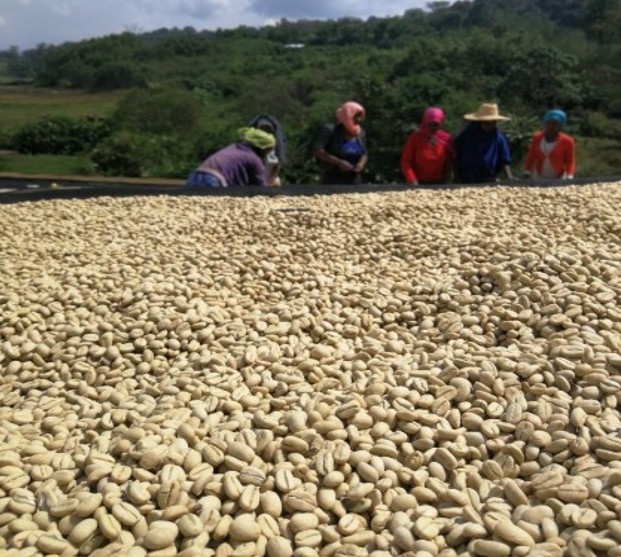
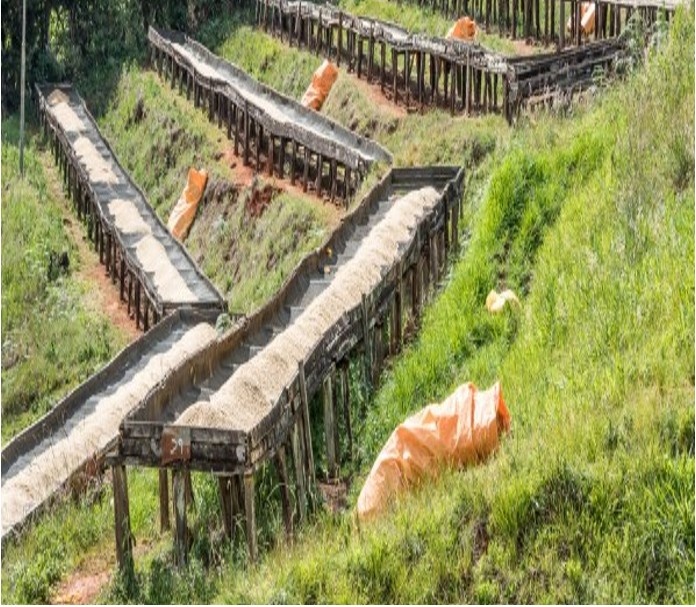
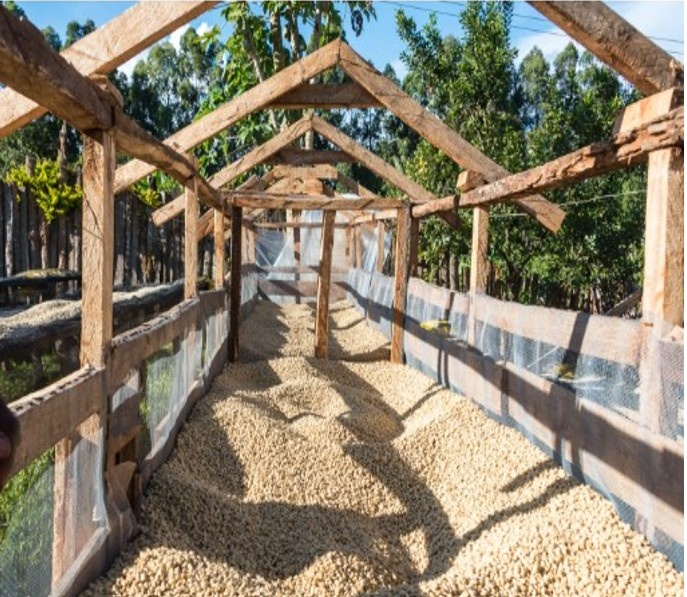
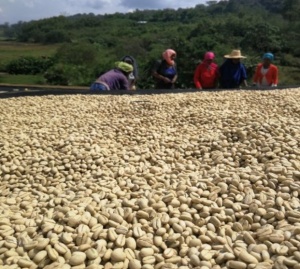
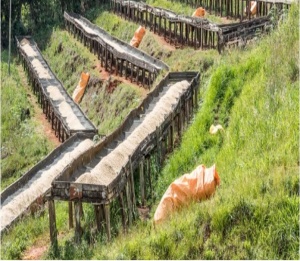
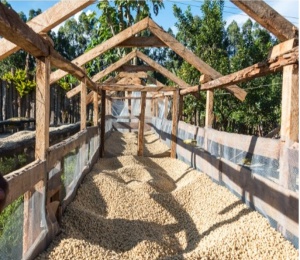
Ripe cherries are selectively hand-picked by the smallholder farmers and delivered to the Mutungati washing station. Upon arrival, the cherries are carefully sorted before pulping. After pulping, the coffee is fermented in tanks for 12 to 24 hours, depending on weather conditions. The parchment is then thoroughly washed in grading channels using clean water to remove any remaining mucilage before being transferred to raised drying beds, where it dries naturally for an average of 14 to 21 days, depending on the climate.