


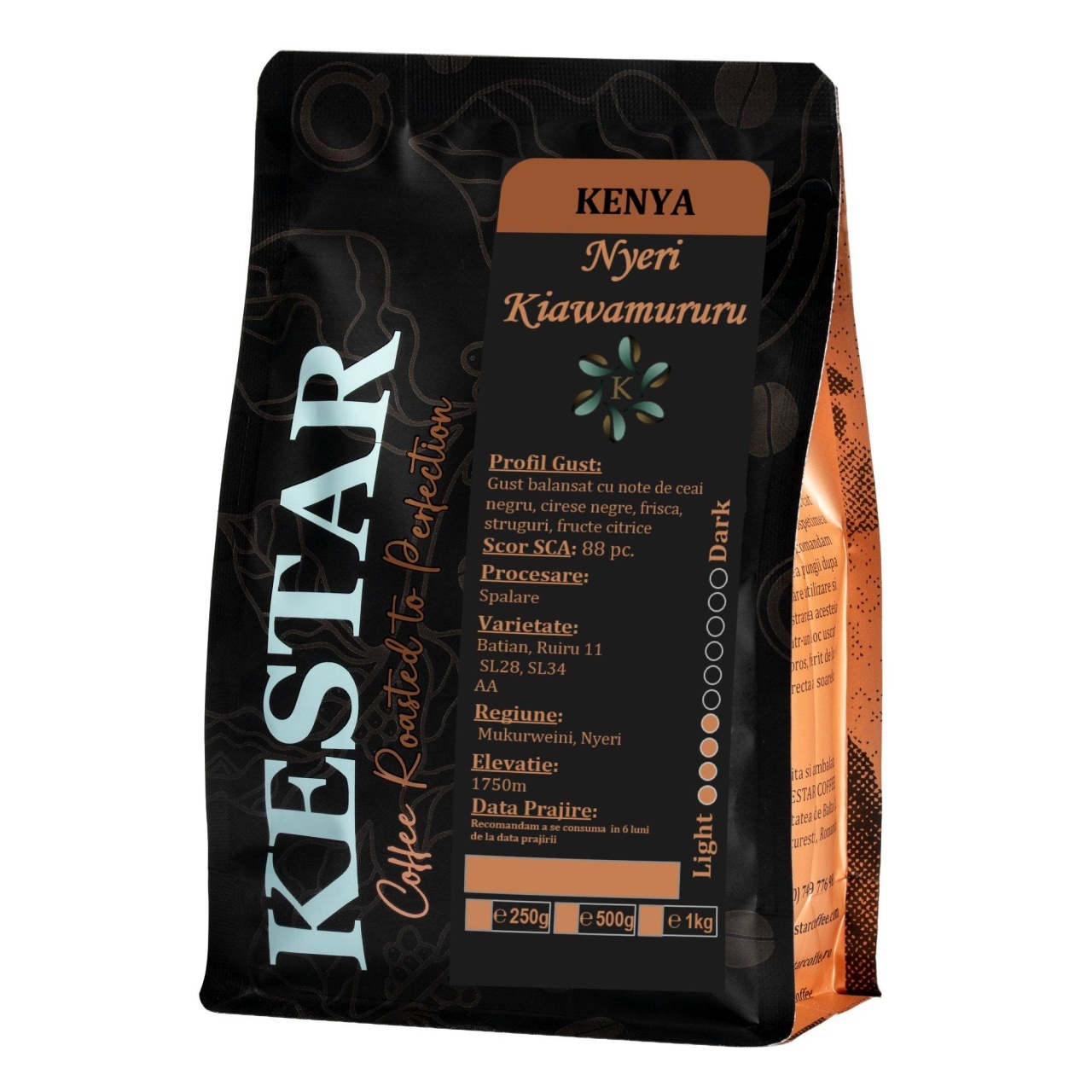
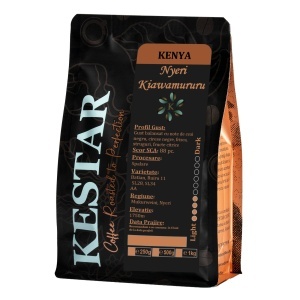
KENYA Nyeri Kiawamururu AA

Description
Roast Profile: Suitable for both espresso and filter brewing.
Grind: Whole beans (standard delivery).
Recommended Degassing Period:
- Espresso: 10–14 days after roasting
- Filter: 7 days after roasting
To ensure maximum freshness, KESTAR COFFEE roasts every coffee to order. By default, all coffees are shipped as whole beans in premium packaging equipped with a one-way degassing valve to preserve freshness and aroma.
If you would like your coffee ground, please specify your preferred brewing method in the "Order Comments" section before completing your purchase (e.g. espresso, filter, moka pot, Turkish coffee, French press, etc.).

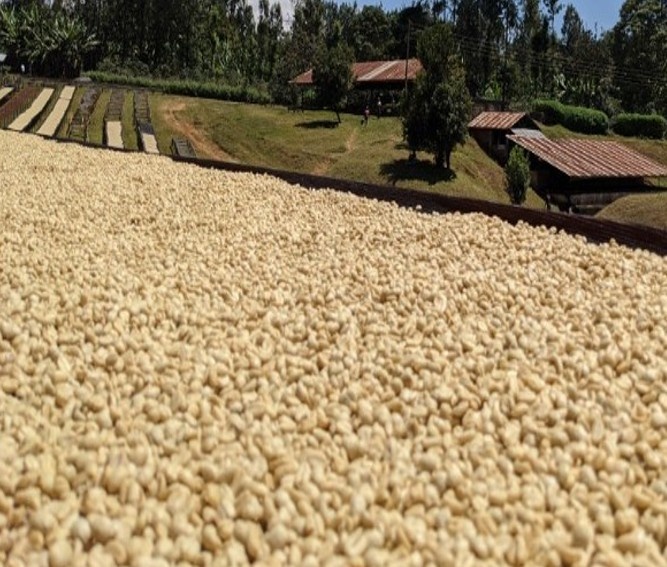
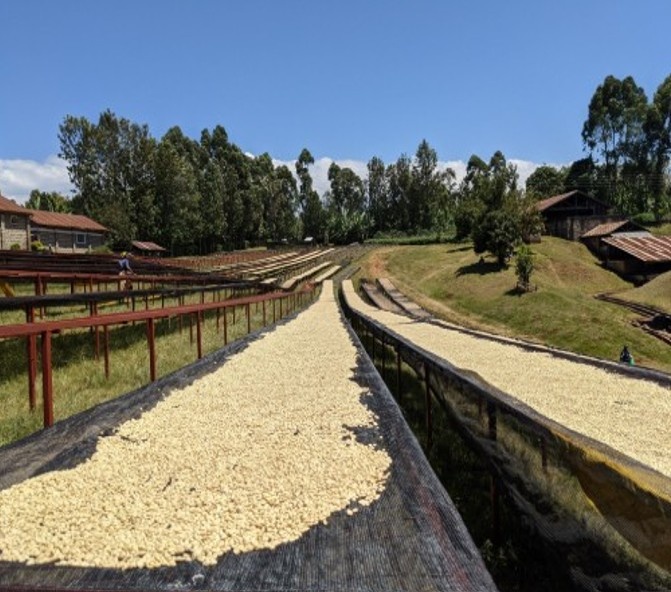
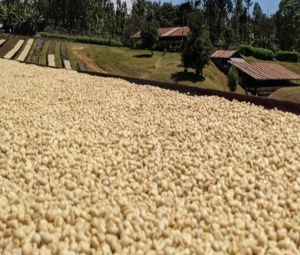
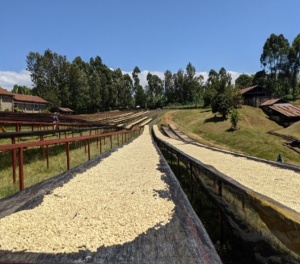
PROCESSING: Washed;
SCA Score: 88 points
Aroma Profile: A well-balanced cup with notes of black tea, black cherries, whipped cream, grapes, and bright citrus fruits.
Located in Nyeri County on the slopes of the Aberdare Mountain Range, Kiawamururu Washing Station is operated by the Njimbi Farmers Community Based Organization. The organization was established in 2020 following its separation from the Rumukia Farmers Cooperative Society.
The washing station sits at an altitude of 1,750 meters above sea level, on the fertile foothills of Mount Kenya and the Aberdare Range. Rich volcanic soils and the region's cool mountain climate promote the slow maturation of coffee cherries, producing dense beans with exceptional sweetness and complexity.
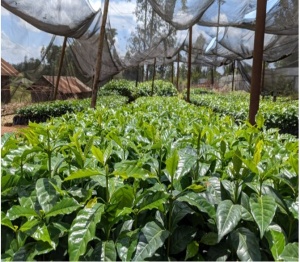
Smallholder farmers in the area benefit from ideal growing conditions, where fertile volcanic soils and cool temperatures slow the development of the coffee cherries. This extended maturation allows the fruit to accumulate higher concentrations of sugars and organic acids, creating the vibrant, wine-like, and citrus-driven flavor profiles for which Kenyan coffees are internationally renowned.
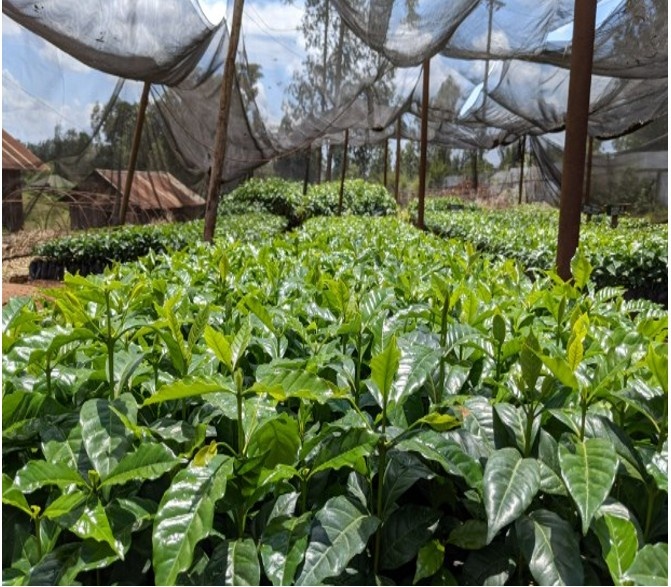
Farmers delivering cherries to Kiawamururu cultivate the renowned SL28, SL34, Ruiru 11, and smaller quantities of Batian varieties on small coffee plots averaging less than one hectare. The SL varieties were originally developed by Scott Agricultural Laboratories during the 1930s and 1940s and quickly became the preferred cultivars among Kenyan producers thanks to their deep root systems, which enable efficient water uptake and excellent performance even under limited rainfall. Today, these varieties remain among the most celebrated coffees in Kenya, valued for their exceptional cup quality and distinctive character.