


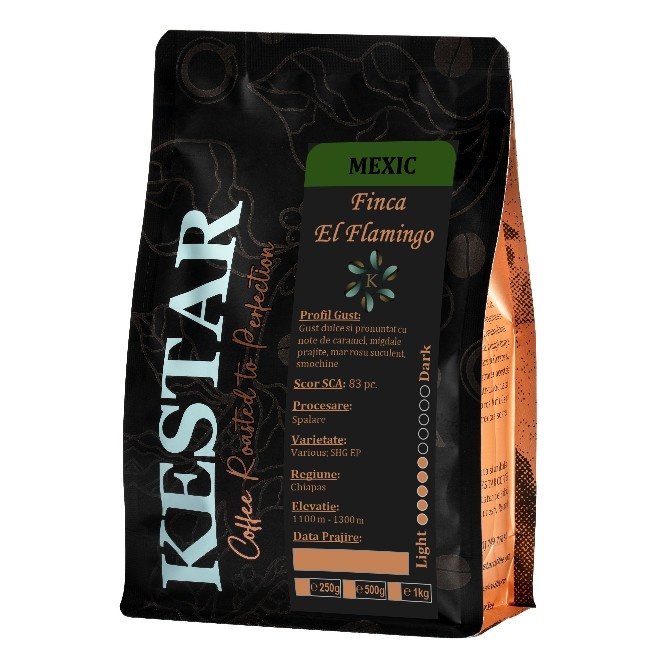
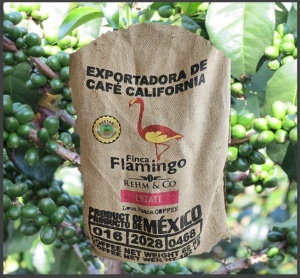
MEXIC Chiapas Finca El Flamingo
Description
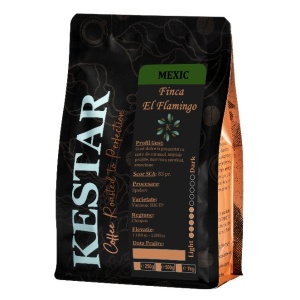
Roast Profile: Suitable for both Espresso and Filter brewing.
Grind: Whole beans (standard option).
Recommended Resting Time After Roasting:
- Espresso: 10–14 days
- Filter: 7 days
At KESTAR COFFEE, every batch is roasted to order to ensure maximum freshness. Coffee is supplied as whole beans by default and packed in a premium valve bag that allows natural degassing while preserving freshness and aroma.
If you would like your coffee ground, simply leave a note in the Order Comments section before completing your purchase. Please specify your preferred brewing method, such as espresso, filter, moka pot, French press, Turkish coffee, or any other preparation method, and we will grind it accordingly.
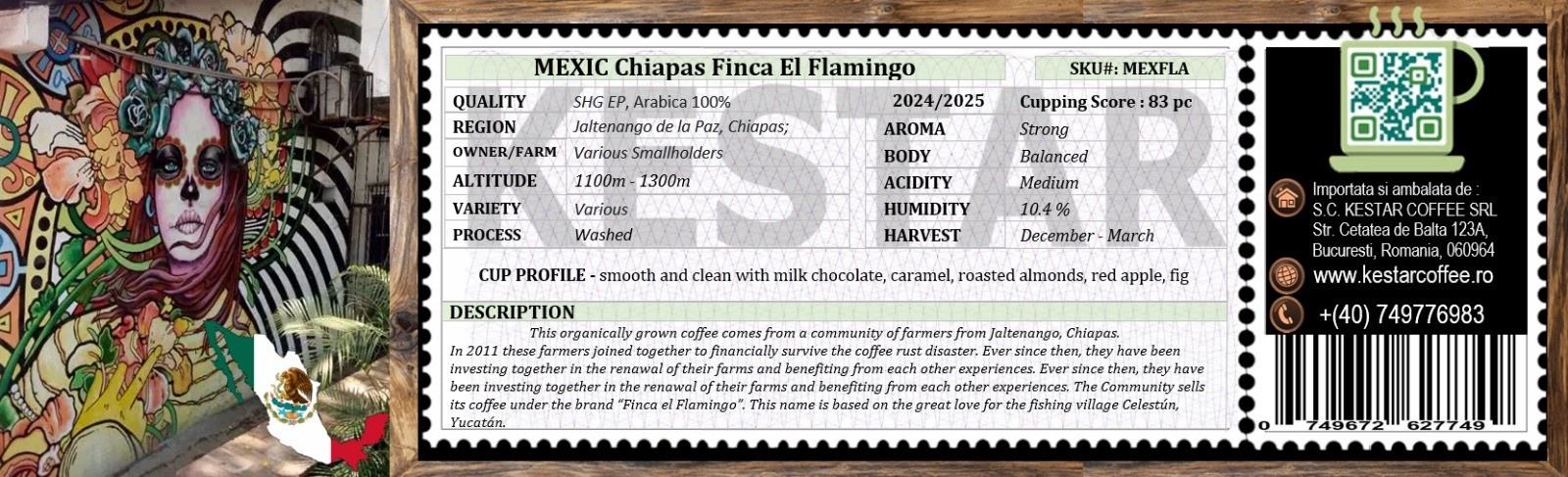
Processing: Washed; SCA Score: 83 pts.
Sweet and pronounced flavor with notes of caramel, roasted almonds, juicy red apple, and figs.
The history of coffee in Mexico began in the 18th century, when the first plants were brought from the Caribbean and cultivated in the state of Veracruz. Although it was not widely adopted at first, coffee gradually became an essential crop for the Mexican agricultural economy, particularly in the southern regions. In the 19th century, German and Italian migrants contributed to the expansion of coffee plantations, while in the 20th century, small local producers, often from indigenous communities, transformed coffee into a vital source of income. Today, Mexico is one of the largest producers of Arabica coffee in the world, with an industry largely based on small farms and sustainable practices.
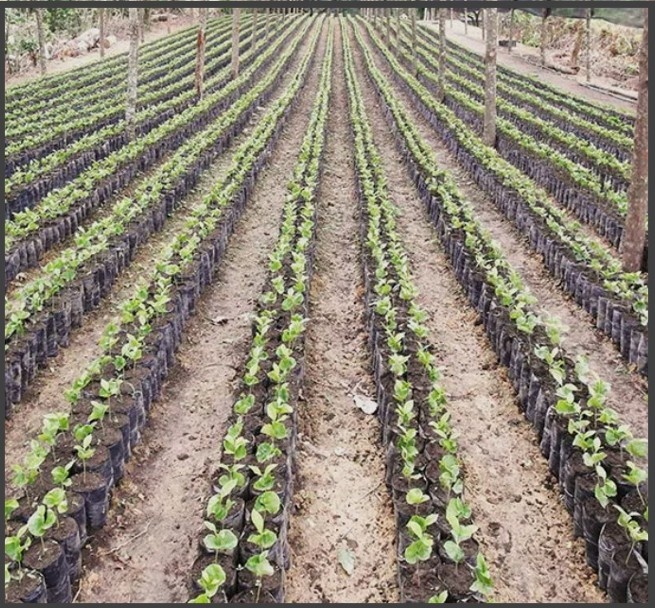
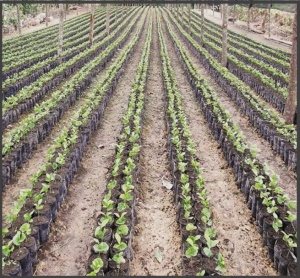
This organically grown coffee comes from a community of farmers in Jaltenango, Chiapas. In 2011, these farmers joined forces to survive financially after the devastation caused by coffee leaf rust. Since then, they have collectively invested in renovating their plantations and have benefited from each other’s experience.
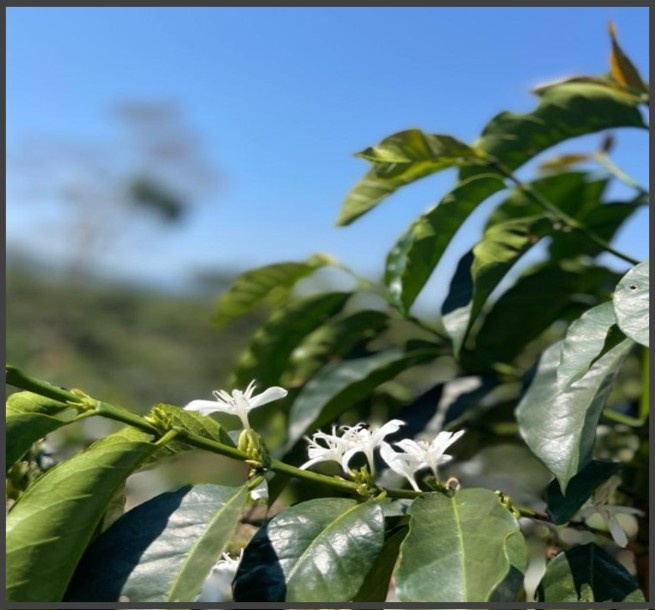
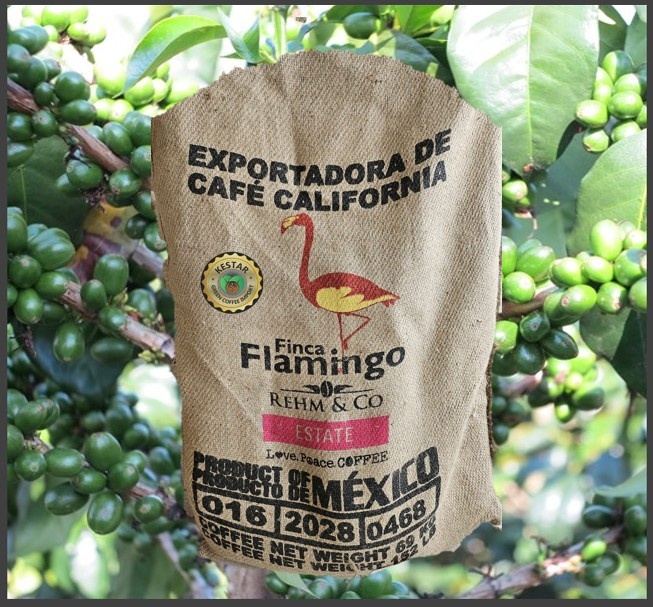
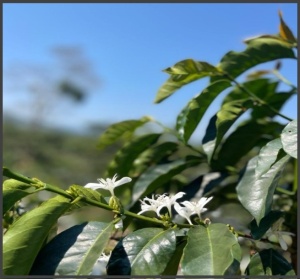
The coffee grows between 1,200 and 1,500 meters above sea level, making it classified as SHG (Strictly High Grown coffee). The community sells its coffee under the “Finca el Flamingo” brand, whose name is based on a great love for the fishing village of Celestún, Yucatán. The area is a special recommendation as a retreat, with its extensive nature reserve providing a home for flamingos and other waterfowl.
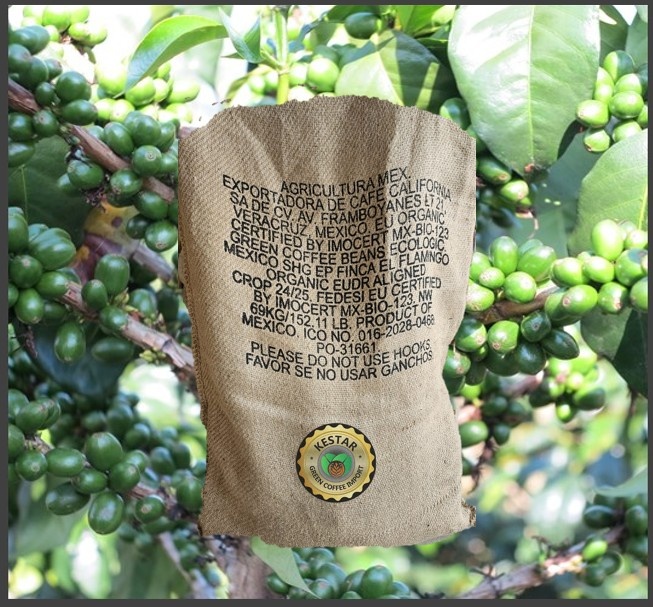
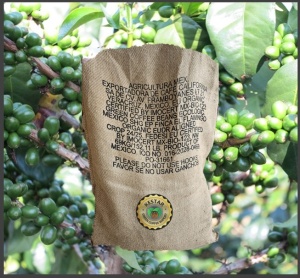
Harvesting is done by hand between January and April, and the first shipments can leave the port of Veracruz in March. Wet processing takes place near the farms using a manual mill; the same applies to drying. After drying, the parchment is transported in bags to Comitán, where it is processed at the dry mill. Packed in beautiful, colorful jute and GrainPro bags, the coffee is then transported to Veracruz for shipment.