


TANZANIA Edelweiss Estate Anaerobic Honey

Description
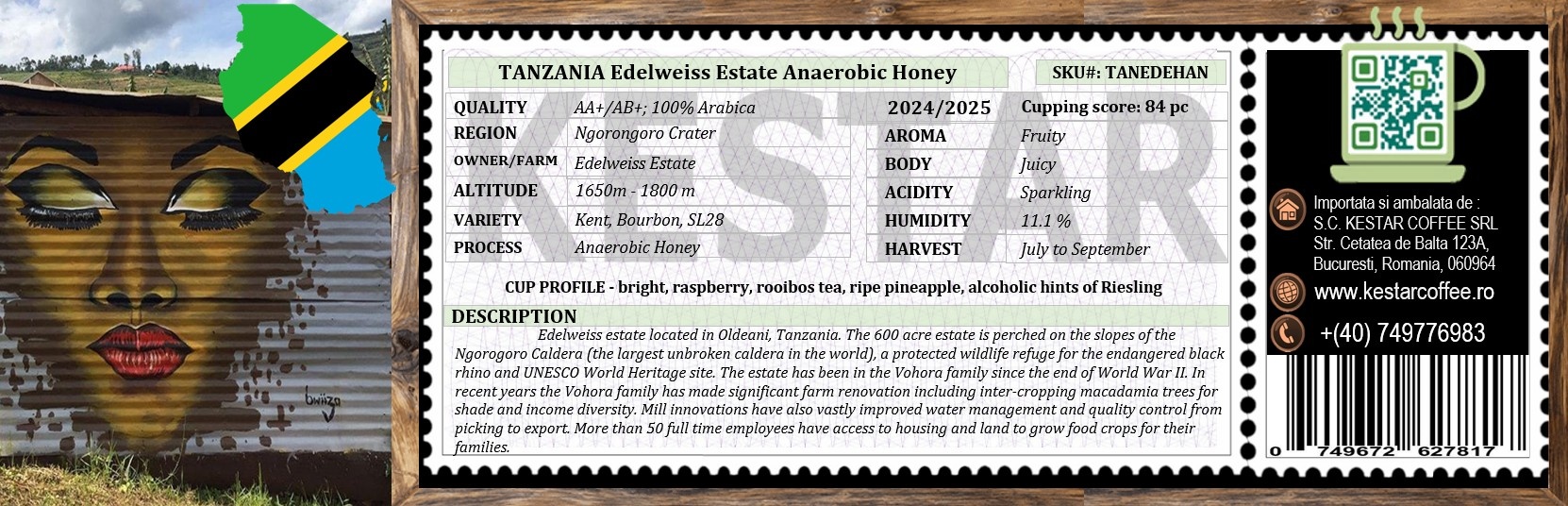
Process: Anaerobic Honey
SCA Score: 84 points
Tasting Notes: A bright and vibrant profile with notes of raspberry, rooibos tea, and ripe pineapple, complemented by Riesling-like alcoholic nuances.
Founded by German settlers around 1900, Edelweiss Estate was later taken over by the British administration after World War II and acquired by Mr. BN Vohora in 1969. Today, the estate is managed by a third-generation family-owned coffee business.
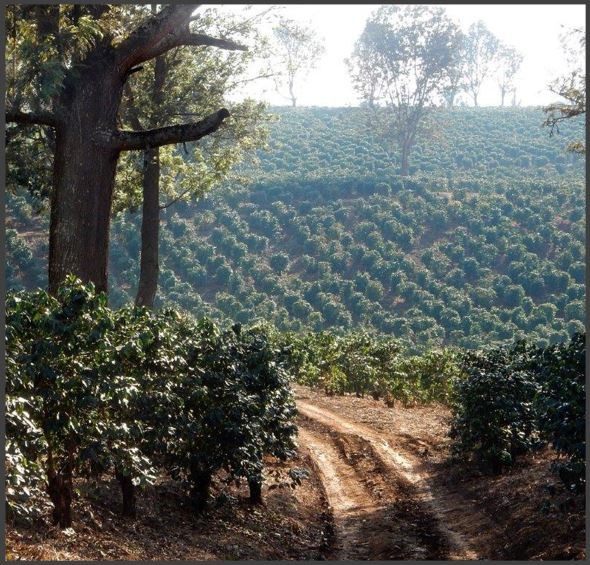
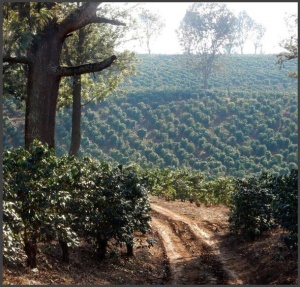
Located on the edge of the Ngorongoro Conservation Area and surrounded by indigenous forests, the estate sits at elevations ranging from 1,650 to 1,820 meters above sea level. The natural forest canopy provides shade for the coffee trees, creating a unique growing environment and helping protect the plants from intense sunlight.
Because the farm is located in a remote region of northern Tanzania, the Vohora family is deeply committed to engaging with and supporting the surrounding community. They run various sustainability initiatives designed to improve local livelihoods while protecting the natural environment.
The estate provides apprenticeship opportunities, supports local schools, and has established daycare centers for employees’ children. These initiatives form an important part of the farm’s long-term commitment to social responsibility and community development.
Edelweiss Estate shares a natural green boundary with the Ngorongoro Conservation Area. As a result, wildlife such as elephants and buffalo regularly cross the coffee plantation, creating both unique challenges and a remarkable connection between coffee cultivation and the surrounding ecosystem.
The estate is located on the slopes of the Ngorongoro Crater, the world’s largest intact volcanic caldera, a UNESCO World Heritage Site and a sanctuary for an extraordinary variety of wildlife, including elephants, rhinoceroses, lions, and numerous species of antelope.
The same family has managed these beautiful Finagro farms for three generations. A combination of exceptional terroir, favorable climate, and responsible agricultural practices has enabled the estates to consistently produce outstanding coffees while maintaining a strong focus on environmental and social sustainability.
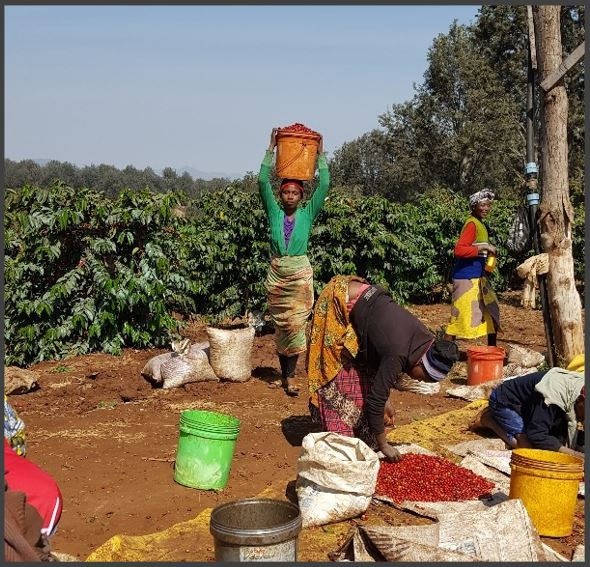
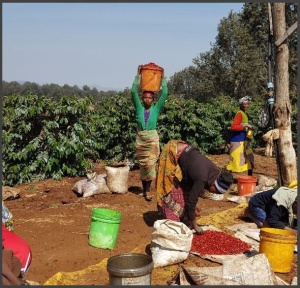
Today, Edelweiss Estate provides stable and sustainable employment for more than 500 members of the local community, all living and working alongside the abundant wildlife that inhabits the surrounding farms.
This unique combination of high-altitude cultivation, indigenous forest shade, exceptional terroir, innovative processing, and a strong commitment to community and environmental stewardship makes Edelweiss Estate a distinctive expression of northern Tanzanian coffee.