

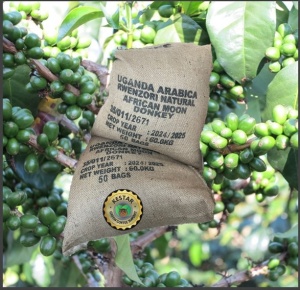
UGANDA Rwenzori Donkey Natural
Description
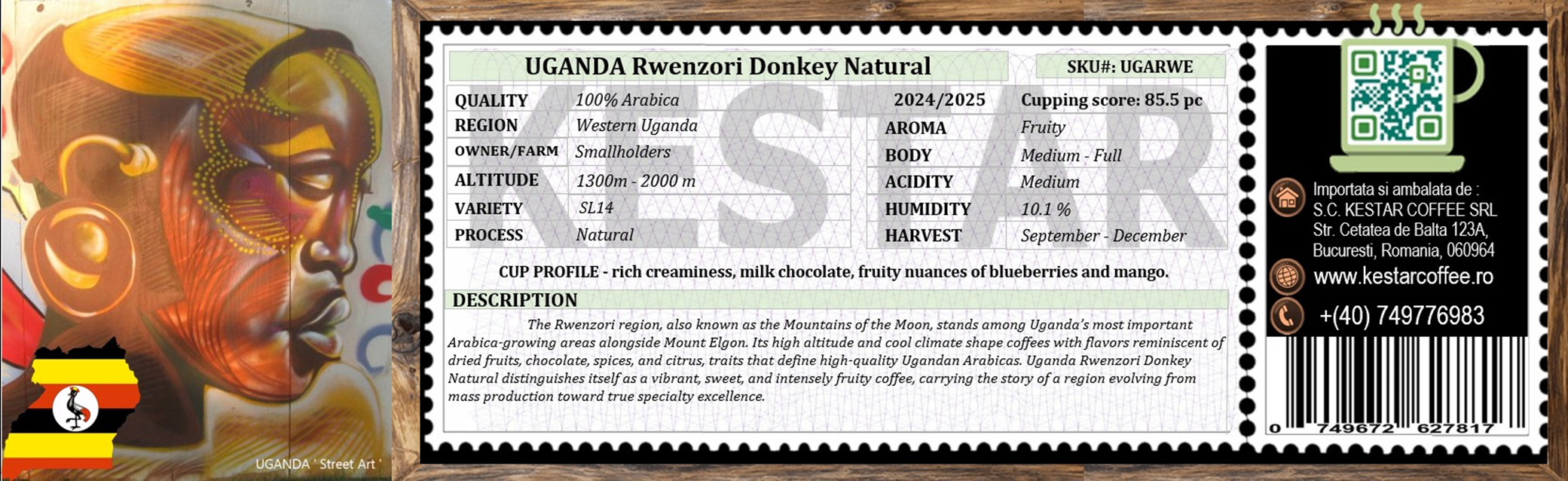
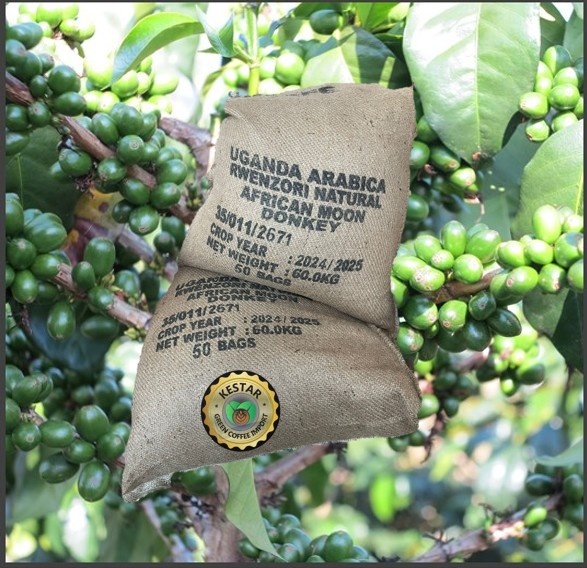
PROCESSING: Natural ; SCA SCORE: 85.5 pts.
Flavor Profile: rich creaminess, notes of milk chocolate, and fruity nuances of blueberries and mango
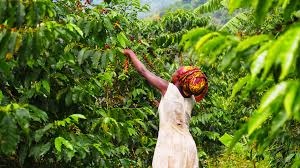
The first Arabica plantations appeared in the early decades of the 20th century, when coffee plants were introduced to western Uganda and cultivated on the slopes of the Rwenzori Mountains, at altitudes ranging from approximately 1,500 to 2,000 meters. The stable climate, regular rainfall, and rich volcanic soils allowed Arabica to adapt quickly, and coffee became an important source of income for smallholder farmers in the area. During this period, production remained modest and was known mainly to specialized coffee traders, with little international visibility.
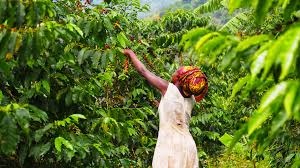
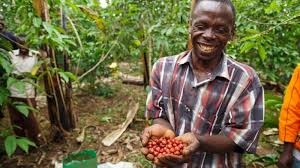
The origin of this coffee is closely connected to the local communities of Rwenzori, a region known as the “Mountains of the Moon,” where Arabica coffee is grown by smallholder farmers at altitudes exceeding 1,600 meters. The rich volcanic soils, tropical climate, and high humidity create ideal conditions for the development of dense, aromatic coffee beans. The tradition of coffee cultivation in Uganda has deep roots, and in recent years the Rwenzori region has experienced a revival driven by investments in processing and selection. This has made it possible to produce specialty lots with a distinct identity and consistent quality.
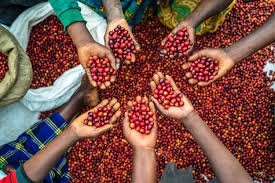
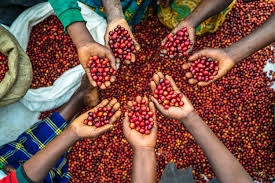
The natural processing of the Donkey Natural lot is essential to its distinctive character. The cherries are dried whole, under the strong Rwenzori sun, which intensifies their sweetness and gives the coffee a pronounced fruity character.
Uganda Rwenzori Donkey Natural stands out for its intense, exotic, and memorable aromatic profile, resulting from the unique terroir of the Rwenzori mountain range and the natural processing method, which enhances the sweetness and fruitiness of the beans. In the cup, it opens with clear notes of ripe red fruits, cocoa, and brown sugar, complemented by a vibrant acidity characteristic of high-altitude coffees.