




UGANDA Rwenzori Mubuku Honey
Description
Roast Profile: Suitable for both espresso and filter brewing.
Grind: Whole beans (standard delivery).
Recommended Degassing Period:
- Espresso: 10–14 days after roasting
- Filter: 7 days after roasting
To ensure maximum freshness, KESTAR COFFEE roasts every coffee to order. By default, all coffees are shipped as whole beans in premium packaging equipped with a one-way degassing valve to preserve freshness and aroma.
If you would like your coffee ground, please specify your preferred brewing method in the "Order Comments" section before completing your purchase (e.g. espresso, filter, moka pot, Turkish coffee, French press, etc.).

Processing: Honey
SCA Score: 84.75 points
Flavor Profile: Caramel sweetness with notes of green tea and milk chocolate.
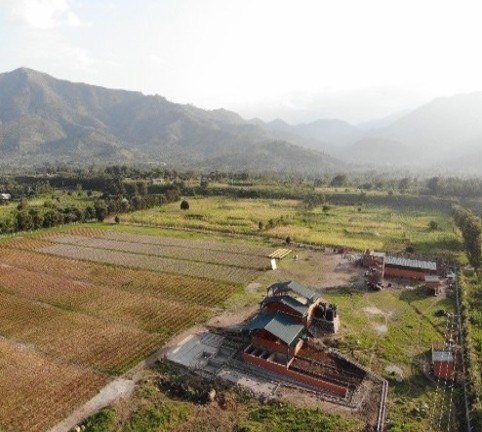
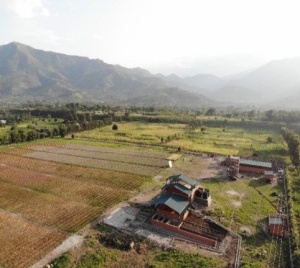
Mubuku Washing Station is located on a 20-acre property along the banks of the Mubuku River. The river originates from the glaciers of the upper Rwenzori Mountains and flows into Lake George. Along its course, it passes through fertile farmland on the eastern slopes of the Rwenzori range, near the town of Kasese, before joining the lake, which is part of Africa's Great Lakes system.
Kasese lies close to the shores of Lake George, while Queen Elizabeth National Park extends to the south. The entrance to Rwenzori Mountains National Park is located just one kilometer from the washing station. Both parks are recognized as UNESCO World Heritage Sites.
The warmer and drier climate around Mubuku Washing Station, together with its on-site quality control laboratory, provides suitable conditions for producing honey, natural, and anaerobic processed coffees. These conditions allow for controlled drying and consistent quality throughout the processing stage.
Coffee cherries are delivered to the station daily, often transported over steep and muddy roads. Upon arrival, the cherries are floated to remove lower-quality fruit and then carefully hand-sorted by trained staff before processing.
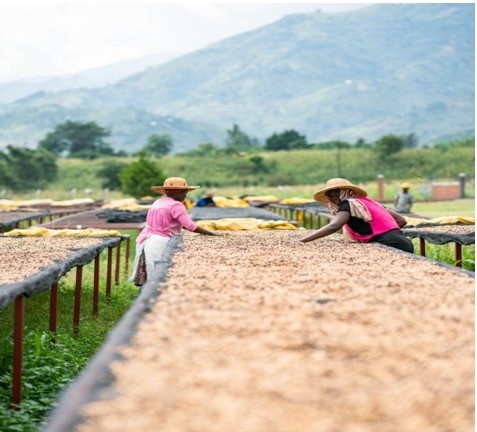
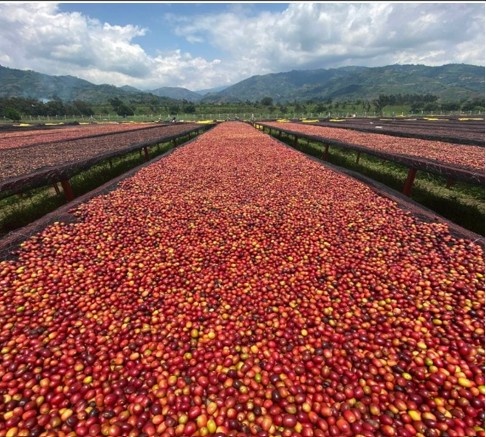
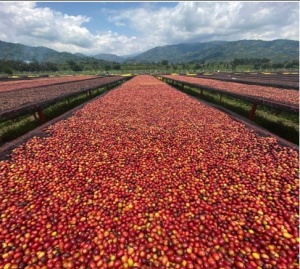
For the Honey process, the cherries are depulped, leaving part of the fruit mucilage attached to the parchment. The coffee is then dried on raised beds under the sun. During drying, workers regularly turn the coffee to ensure even moisture loss and hand-sort it to remove any damaged or defective beans. Depending on the weather, the drying process takes approximately 18 to 22 days, until the coffee reaches the ideal moisture content.