


BURUNDI Gakenke Kayanza Honey

Description
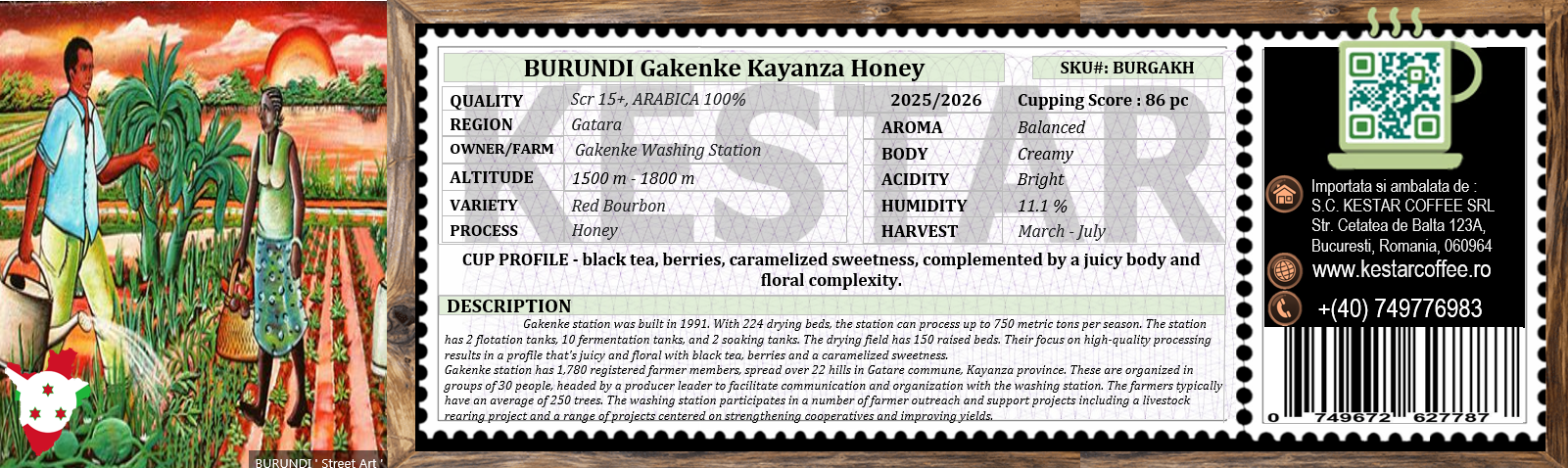
Processing: Honey | SCA Score: 86
Flavor Profile: notes of black tea, berries, and caramelized sweetness, complemented by a juicy body and floral complexity.
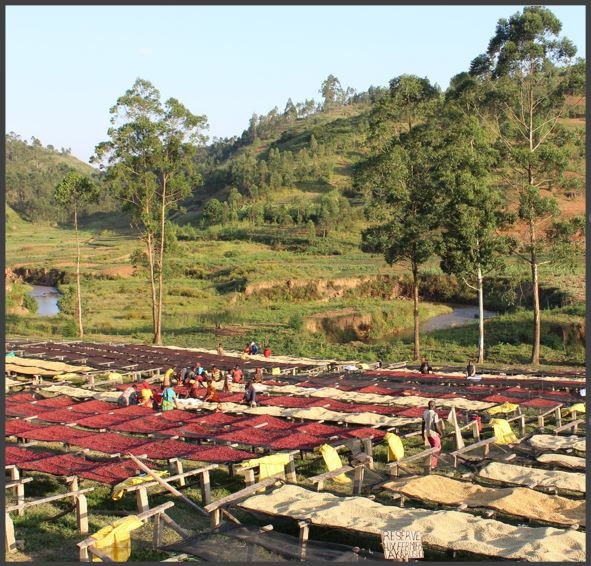
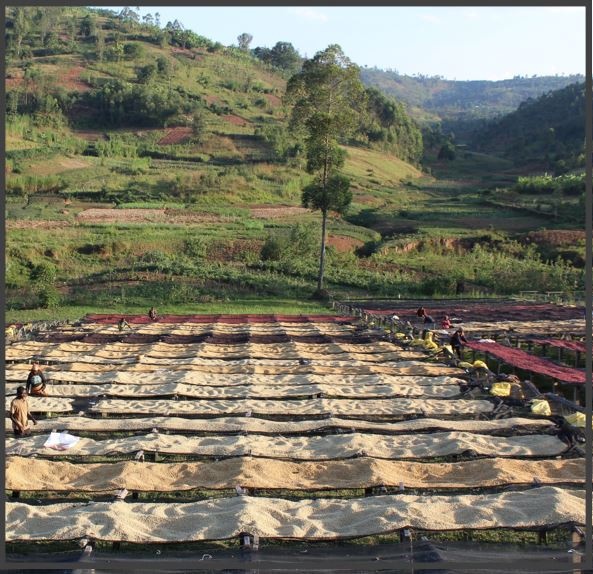
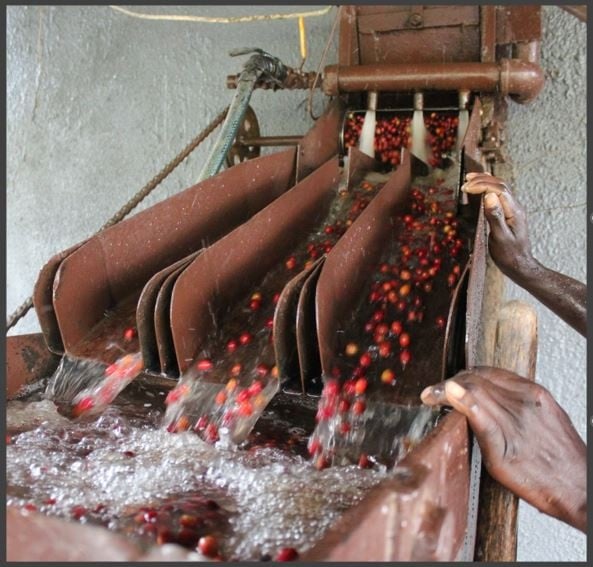
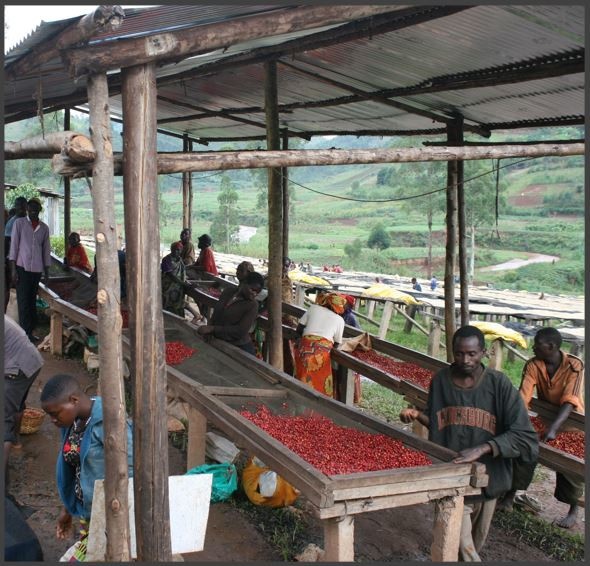
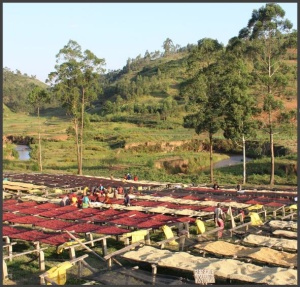
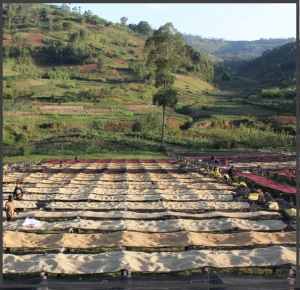
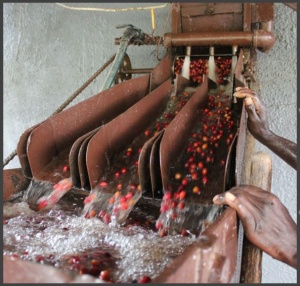
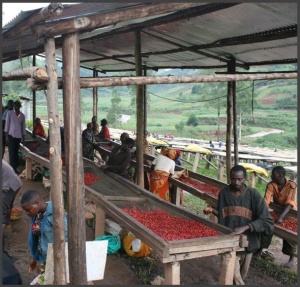
The Gakenke Washing Station was built in 1991. With 224 drying beds, the station can process up to 750 metric tons per season. The station has 2 flotation tanks, 10 fermentation tanks, and 2 soaking tanks. The drying area features 150 raised beds.
Their focus on high-quality processing results in a juicy and floral cup profile, with notes of black tea, berries, and caramelized sweetness.
The Gakenke Washing Station has 2,685 registered farmer members, spread across 22 hills in Gatare Commune, Kayanza Province. The farmers are organized into groups of approximately 30 people, each led by a Producer Leader who facilitates communication and coordination with the washing station. Farmers typically own an average of 250 coffee trees.
The washing station participates in a range of farmer-support and awareness projects, including a livestock project and several Farmer Hub initiatives focused on strengthening cooperatives and improving farm yields.
Cultivation
The majority of coffee trees in Burundi are Red Bourbon, valued for their quality.
Due to the increasingly small size of coffee farms, aging coffee trees are a major challenge in Burundi. Many farmers have trees that are more than 50 years old, but because their plots are small, it can be difficult to justify removing productive trees entirely for the three to four years required for newly planted trees to begin producing.
To encourage farmers to renovate their plantations, Greenco purchases seeds from the Institut des Sciences Agronomiques du Burundi (ISABU), establishes nurseries, and sells seedlings to farmers at or below cost.
Despite the widespread cultivation of coffee throughout Burundi, each smallholder typically produces a relatively modest harvest. The average smallholder has approximately 250 coffee trees, usually growing around their homes.
Each tree produces an average of 1.5 kg of coffee cherries, meaning that the average producer sells approximately 200 to 300 kg of coffee cherries per year.
Harvesting & Post-Harvest
During the harvest season, all coffee is hand-picked selectively. Most families have only 200 to 250 coffee trees, and harvesting is carried out almost entirely by family members.