


BURUNDI Masha Kayanza Natural

Description

PROCESSING: Natural
SCA SCORE: 87 points
FLAVOR NOTES: Citrus, dark chocolate sweetness, caramel, and floral notes
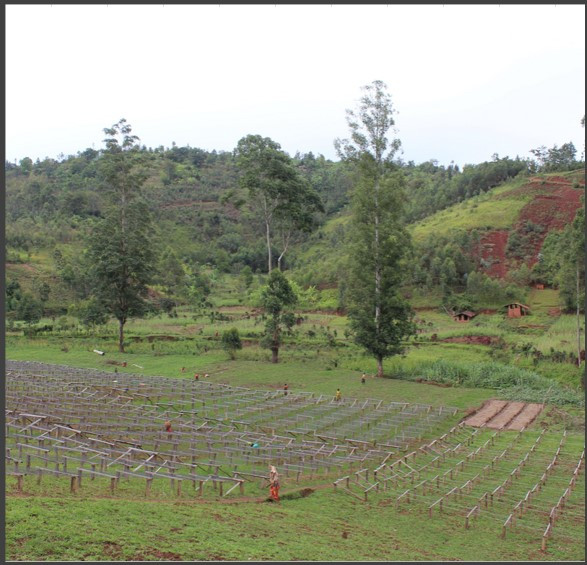
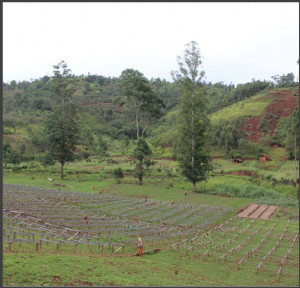
Masha Washing Station – Burundi
The Masha Washing Station was built in 1989 and takes its name from the hill on which it is located. Interestingly, the hill is better known for cattle farming than for coffee cultivation. The name “Masha” comes from the Kirundi word “amasho,” meaning “herds of cattle.” Historically, the hill served as a passageway for the many cattle herds moving through the region. Locals sometimes greet each other using a phrase specific to the area, “gira amasho,” meaning “cattle owner.”
In Burundi, a large proportion of coffee trees belong to the Red Bourbon variety. The increasingly small size of coffee farms makes the aging of coffee trees an important challenge. Many farmers have trees that are more than 50 years old, but the limited size of their farms makes it difficult to replace them entirely, as newly planted trees require approximately 3–4 years before they begin producing cherries.
Although coffee cultivation is widespread throughout Burundi, each smallholder produces a relatively modest harvest. A subsistence farmer typically owns around 250 coffee trees, usually planted around the family home. Each tree produces an average of approximately 1.5 kg of coffee cherries, meaning that a producer generally sells between 200 and 300 kg of cherries per year.
Most farmers delivering coffee to the Masha Washing Station are subsistence producers. They grow coffee alongside food crops and other cash crops, helping provide the food and income needed to support their families.
During the harvest season, all cherries are selectively hand-picked. Most families own only 200–250 coffee trees, meaning that harvesting is carried out almost entirely by family members.
Quality Control & Processing
Quality control begins as soon as farmers deliver their cherries to the station. The first step is flotation, where the cherries are placed in small containers of water to quickly assess their quality. After flotation, the higher-quality cherries are manually sorted once again to remove any damaged, underripe, or overripe fruit.
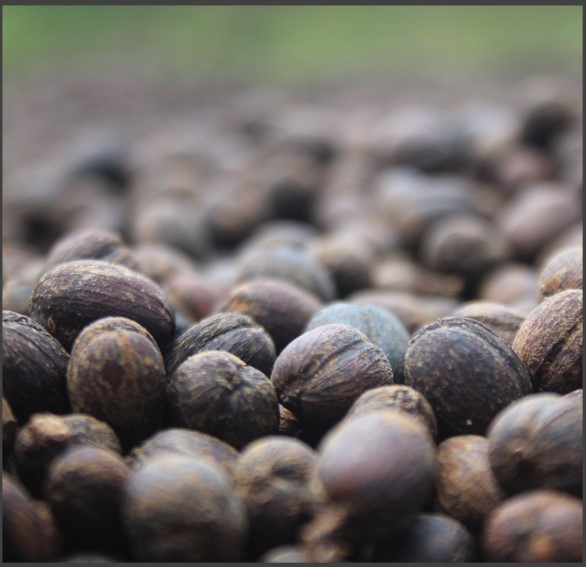
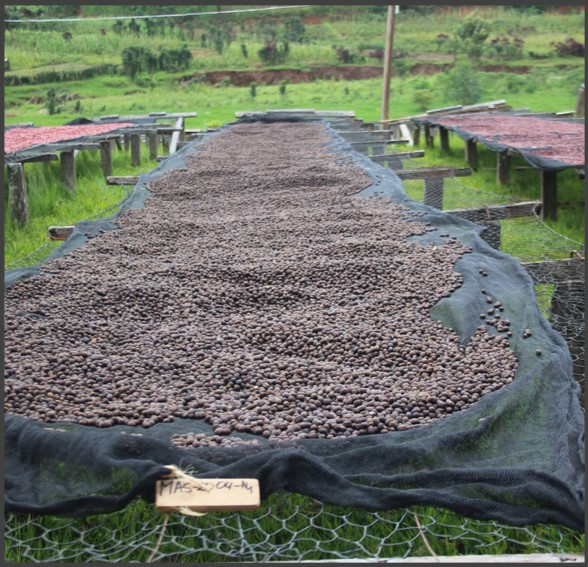
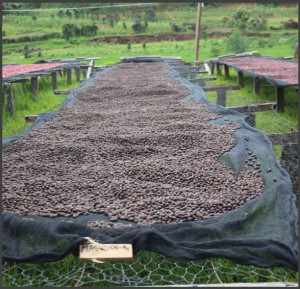
The cherries are then spread in thin layers on raised drying tables and turned frequently to ensure even drying. During rainfall, the hottest hours of the day, and throughout the night, the cherries are covered to protect them and maintain a controlled drying process.
The result is a carefully processed Natural coffee with a vibrant profile of citrus, dark chocolate sweetness, caramel, and delicate floral notes.