


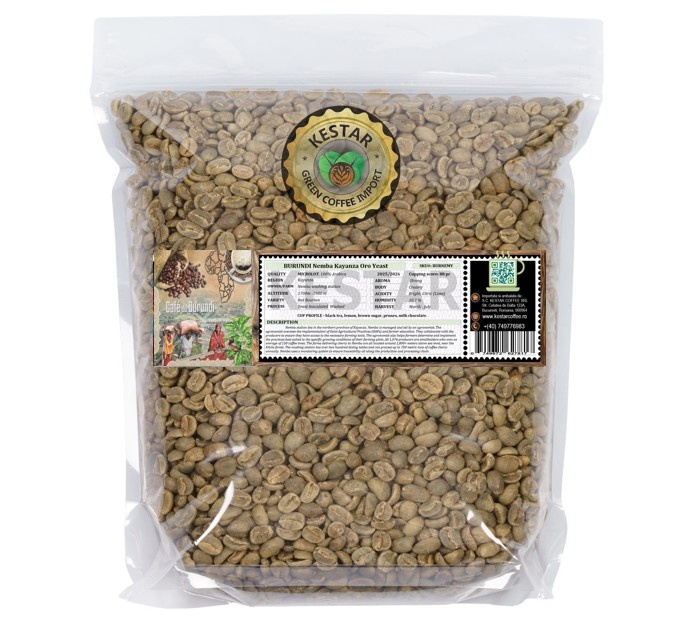
BURUNDI Nemba Kayanza Oro Yeast Washed
Description
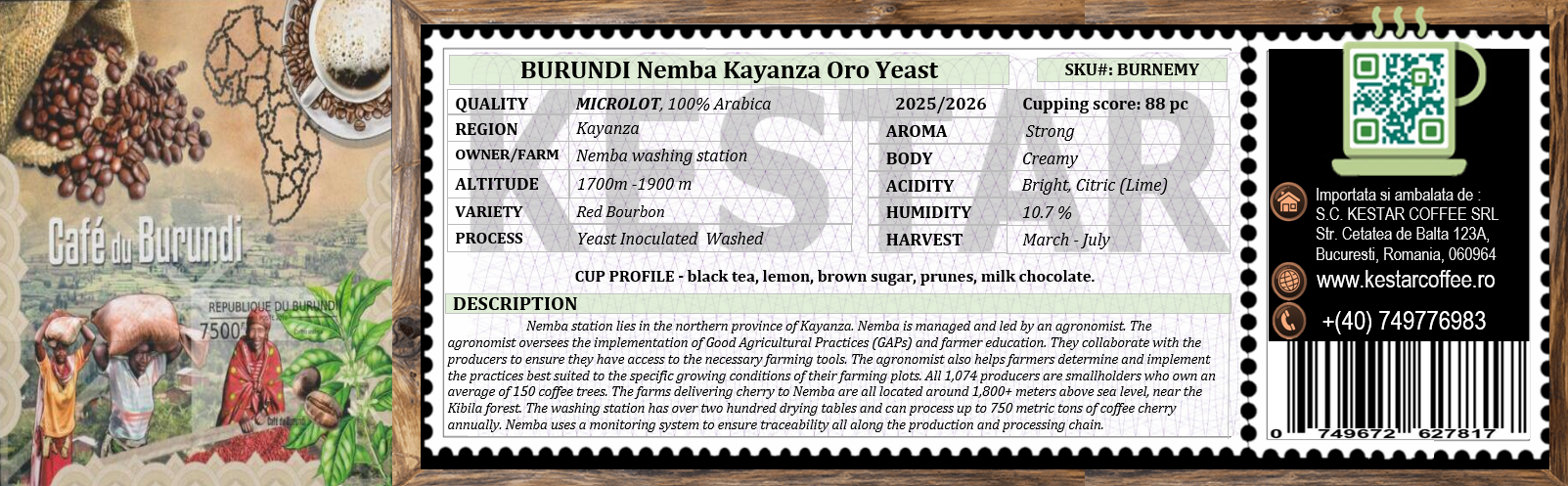
PROCESSING: Yeast-Inoculated Washed
SCA SCORE: 88 pts
AROMA PROFILE: A complex profile with notes of black tea, lemon, brown sugar, plum, and milk chocolate.
Nemba Washing Station
Nemba is located in Kayanza Province, in northern Burundi. The station is managed by an agronomist who oversees the implementation of Good Agricultural Practices (GAP) and farmer education.
The agronomist works closely with producers to ensure they have access to the agricultural tools they need. They also help farmers identify and implement practices best suited to the specific growing conditions of their individual plots.
All 3,000 producers are smallholders who own an average of 150 coffee trees each. The farms supplying cherries to Nemba are located at approximately 1,700 meters above sea level, near Kibila Forest.
The washing station has more than 200 drying tables and can process up to 750 metric tons of coffee cherries per year.
The station is equipped with 10 fermentation tanks, 2 soaking tanks, and a drying field with 165 drying tables and 4 pre-drying tables. Nemba can process up to 750,000 kg of coffee cherries per day.
At the washing station, farmers can obtain organic fertilizer made from composted coffee pulp. To encourage farm renovation, producers can also purchase subsidized coffee seedlings at reduced prices from the washing station. Each station maintains its own nursery for this purpose.
The washing station participates in several farmer support and outreach projects, including a livestock project and a series of Farmer Hub initiatives focused on strengthening cooperatives and improving yields.
Cultivation
Most coffee trees in Burundi are Red Bourbon, primarily because of its quality potential. Due to the increasingly small size of coffee farms, aging coffee trees have become a major challenge in Burundi.
Many farmers have trees that are more than 50 years old. However, with limited land available for cultivation, completely removing productive trees can be difficult to justify, particularly because newly planted trees require 3–4 years before they begin producing.
To encourage farmers to renovate their coffee plantations, Greenco sources seeds from the Institut des Sciences Agronomiques du Burundi (ISABU), establishes nurseries, and sells seedlings to farmers at cost or below cost.
Despite the widespread cultivation of coffee in Burundi, each smallholder typically produces a relatively small harvest. A smallholder generally has around 250 coffee trees, often planted around their home. Each tree produces an average of 1.5 kilograms of coffee cherries, meaning the average producer sells approximately 200–300 kilograms of cherries per year.
Harvesting & Post-Harvest
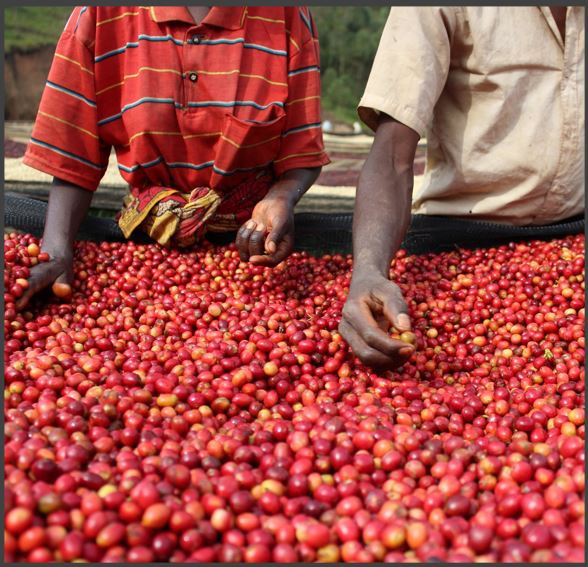
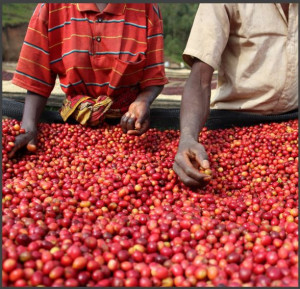
During the harvest season, all coffee is selectively hand-picked. Most families have only 200–250 trees, and harvesting is carried out almost entirely by family members.
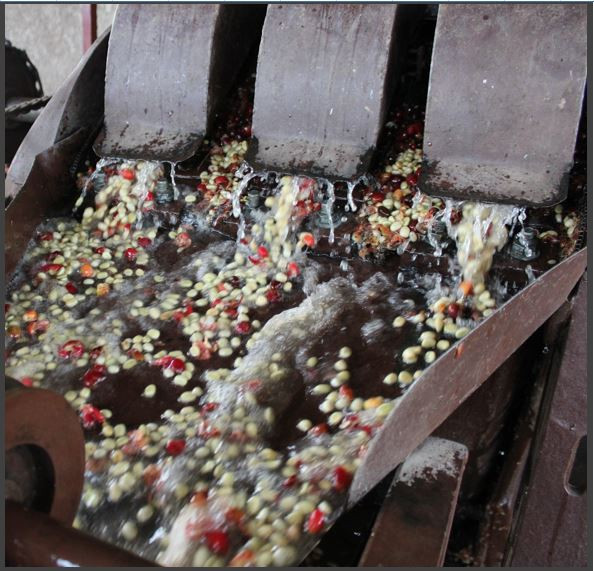
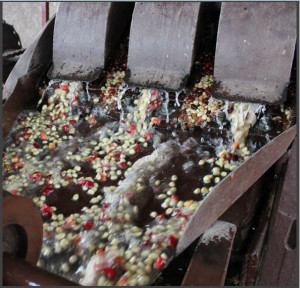
After sorting, the cherries are pulped within 6 hours of delivery. During pulping, the cherries are separated by density into high- and low-density lots using a 3-disc Mackinnon pulper equipped with an additional separation disc.
Once pulped, the coffee is placed in epoxy-coated concrete fermentation tanks. LALCAFÉ ORO™ yeast, supplied by the French company LALCAFÉ, is added to the tanks. The coffee is left to ferment in this environment for approximately 36 hours.
LALCAFÉ ORO™ yeast (Saccharomyces cerevisiae) was specifically developed for coffee production following four years of research and testing. Trials conducted across different regions and environments have shown that ORO is well suited to improving control and efficiency during wet processing while enhancing cup quality.
ORO's ability to thrive even at low temperatures makes it suitable for use across a wide range of altitudes. The yeast helps control the fermentation process and reduces the risk of undesirable microorganisms that can cause defects.
Its specific metabolism and strong performance even at low temperatures — with a minimum of approximately 15°C inside the coffee tank — allow the fresh and fruity characteristics of the coffee beans to be expressed while preserving the unique character of each coffee.
The longer fermentation time used for yeast-inoculated coffee — compared with traditionally washed coffee, which typically ferments for around 12 hours — also allows for greater flavor development.
The additional fermentation time gives the beans more opportunity to absorb metabolites that can enhance the cup profile. Complexity, acidity, brightness, floral notes, and other characteristics can be intensified through the extended fermentation process.
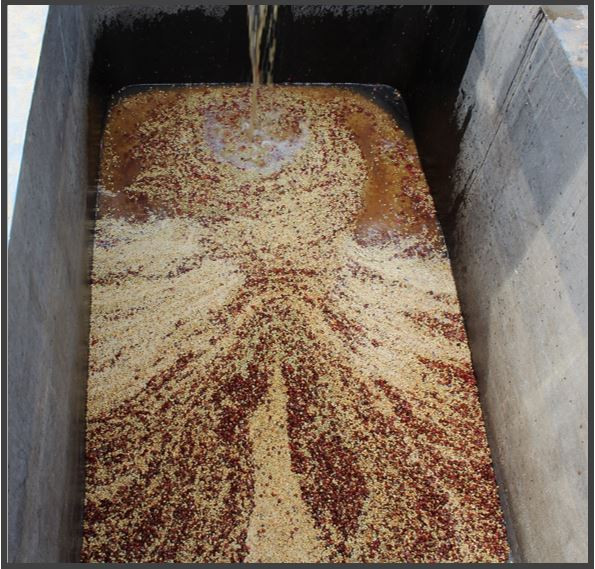
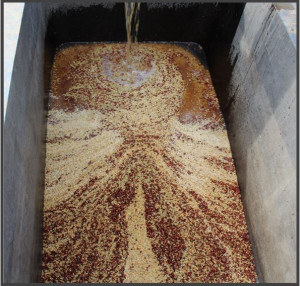
Once fermentation is complete, the coffee passes through washing and grading channels. The channel separates the coffee into seven grades according to density.
After washing, the parchment is placed on wooden trays or in nylon bags and transported to the drying tables, with each batch kept within its respective quality group. Every tray and nylon bag containing parchment retains its traceability label with all relevant information.
The parchment is dried on raised beds for 2–3 weeks. During drying, the parchment is repeatedly sorted and turned to ensure even drying.
The parchment is left to dry from sunrise to sunset and is covered with a sheet at night or whenever it rains.
Once fully dried, the parchment coffee is packed and transported to the warehouse. Greenco's team of expert cuppers evaluates each lot in the laboratory. Lots are separated according to washing station, harvest day, and quality.
Traceability by station, harvest day, and quality is maintained throughout the entire process.