


RAW COCOA BEANS -DOMINICAN REPUBLIC Zorzal Comunitario

Description
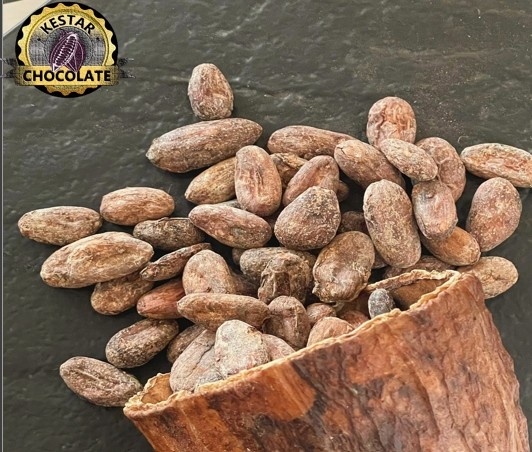
The cocoa beans are fermented and dried, not roasted.
Region: Cordillera Septentrional, Dominican Republic
Genetics: Amelonado & Trinitario
Flavor Profile: Notes of caramel, walnut, Cognac-infused cherries, and delicate fruity undertones.
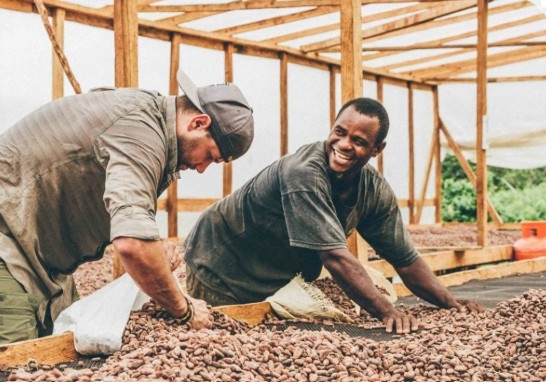
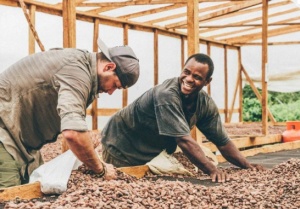
Fermentation: Fermented in traditional wooden boxes and fully sun-dried.
About the Origin
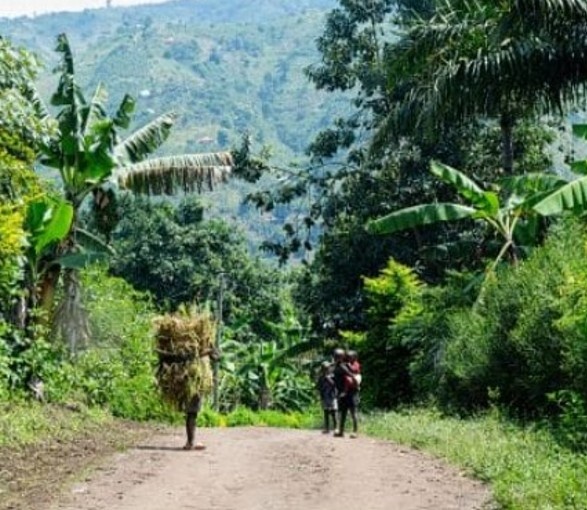
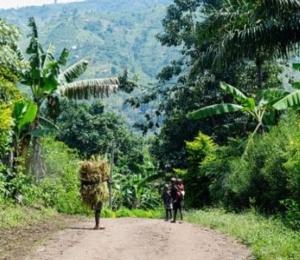
The plantations are located in the heart of the Cordillera Septentrional mountains in northern Dominican Republic. This region forms part of a vast tropical corridor where lush rainforests, varying elevations, and cooling ocean breezes create an exceptional microclimate for growing fine-flavor cocoa.
In addition to its warm and stable climate, the area is characterized by naturally high humidity maintained by dense forests and protected ecosystems. Cocoa is cultivated using traditional agroforestry methods, growing beneath the shade of native trees in harmony with the surrounding forest. Local farmers continue to practice sustainable cultivation techniques that have been passed down through generations.
Zorzal Comunitario reflects the natural rhythms of the tropical rainforest, where rainfall, mountain breezes, and the forest canopy influence the slow and even ripening of the cocoa pods. The community works in close partnership with Reserva Zorzal, the Dominican Republic's first private conservation reserve dedicated to cocoa production.
These cocoa beans come from the Zorzal community farms, where fertile soils, remarkable biodiversity, and a balanced tropical climate shape a truly distinctive terroir.
Raw Cocoa Beans – A Healthy Snack with Pure Cocoa Flavor
Raw cocoa beans are a natural superfood, packed with vitamins, minerals, antioxidants, flavonoids, and theobromine—naturally occurring compounds that contribute to overall well-being. Enjoying a few raw cocoa beans each day is an excellent way to experience cocoa in its purest form.
How to Enjoy Raw Cocoa Beans
Raw cocoa beans can be enjoyed exactly as they are. Their flavor is very different from conventional chocolate: less sweet, slightly bitter, pleasantly dry, and wonderfully crunchy. They offer an authentic cocoa experience that highlights the bean's natural complexity.
If you prefer a sweeter taste, try dipping the beans in a little honey.
Recommended Daily Intake
Adults: 5–10 cocoa beans per day.
Children: 2–5 cocoa beans per day.
Once the shell is removed, the bean breaks into cocoa nibs. These can be added to smoothies, sprinkled over granola, muesli, or breakfast cereals, or mixed with nuts and dried fruit for a nutritious and naturally energizing snack.
Raw Cocoa Beans vs. Conventional Chocolate
Raw cocoa beans are the natural ingredient from which chocolate is made. They retain a high concentration of naturally occurring nutrients. During chocolate production, roasting develops the characteristic chocolate flavor but also reduces some of these heat-sensitive compounds.
Conventional chocolate often contains added sugar, cocoa butter, milk, and other ingredients that significantly change both the nutritional profile and the original flavor of the cocoa bean. Raw cocoa offers a completely different tasting experience—more intense, less sweet, slightly bitter, dry, and pleasantly crunchy—allowing you to appreciate the bean's natural character.
Why Fermentation Matters
Fermentation is one of the most important stages in producing high-quality cocoa. During this process, naturally occurring yeasts and bacteria transform the sugars in the cocoa pulp, creating the flavor precursors that later develop into the rich and complex aromas associated with fine chocolate.
Turning the beans regularly throughout fermentation is essential. It ensures even fermentation, promotes proper airflow, encourages beneficial microorganisms, and prevents the development of mold or undesirable flavors. Careful turning also helps create a cleaner, more balanced, and more consistent flavor profile.
Every exceptional chocolate bar begins with properly fermented cocoa, making this stage one of the defining factors in the quality of the final product.