


UNROASTED COCOA BEANS - HAITI Pisa

Description
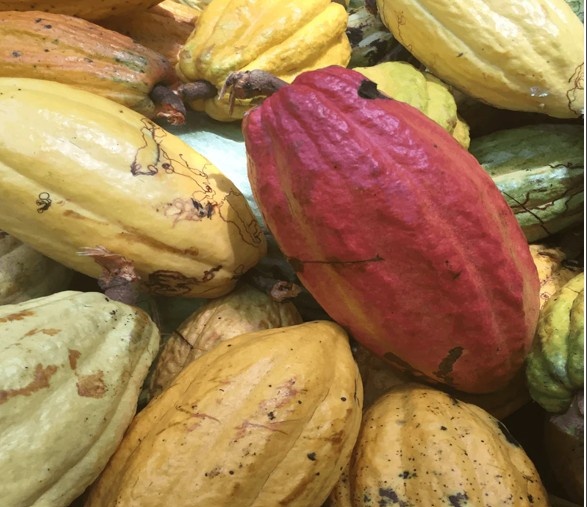
This cocoa beans come from a region renowned for its long-standing cocoa-growing tradition, where smallholder farmers carry out every stage of the process by hand. Haiti is one of the few places in the world where cocoa is still produced in an authentic way on family-owned farms, without industrial intervention. This approach gives the beans a distinctive identity, remarkable consistency, and exceptional quality. Fertile soils, a tropical climate, and traditional farming methods contribute to the development of dense, naturally expressive cocoa beans.
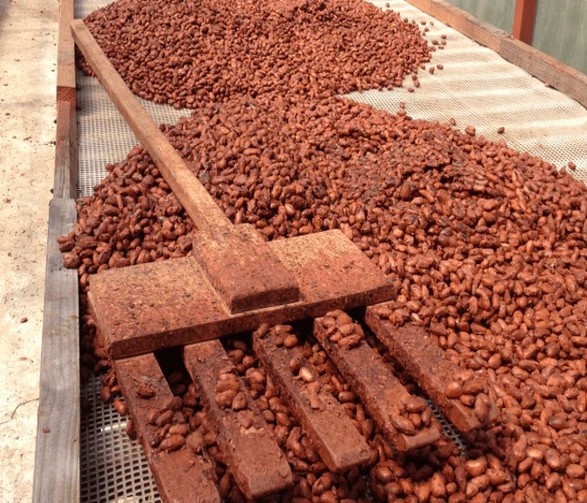
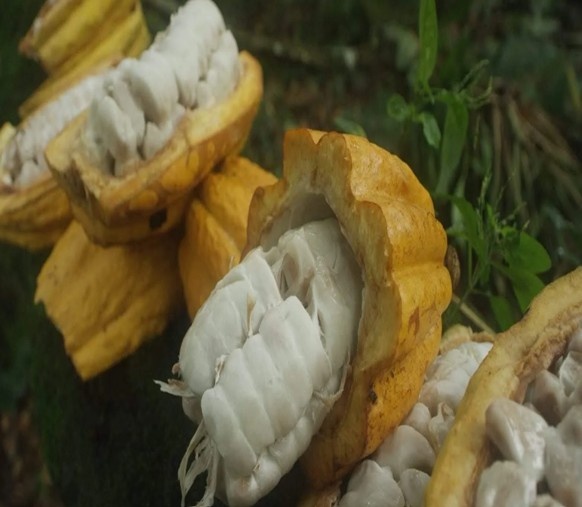
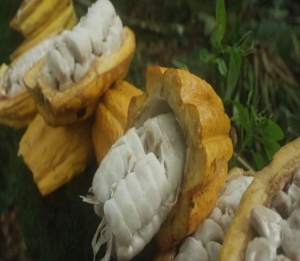
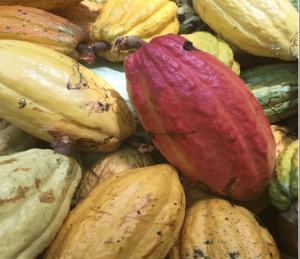
The beans undergo a minimally processed production method that preserves their natural integrity and inherent characteristics. After harvesting, the cocoa pods are opened by hand, and the beans are carefully removed before being naturally fermented for 7 days under controlled conditions. Fermentation is a crucial stage in developing the beans' unique character, and Haitian farmers manage this process with expertise passed down through generations. The beans are then slowly sun-dried on raised beds, preserving their quality while preventing damage.
What makes Haiti PISA cocoa truly special is the authenticity of its production process and the fact that it comes from a community committed to sustainability and responsible farming. These raw cocoa beans are highly valued for both their natural quality and their versatility across a wide range of applications.
Flavor Profile: Fruity notes of juicy figs, complemented by hints of vanilla, caramel, and roasted coffee.
Technical Details
- Fermentation: 7 days
- Drying: 4–7 days on average
- Varieties: Trinitario, Criollo
- Harvest Season: March–June
PISA was founded with the mission of professionalizing cocoa processing in Haiti while creating a sustainable model in which quality and community are at the heart of every operation. The farm and processing center were established in the northern region of the country, where cocoa has been cultivated for generations in agroforestry gardens that combine cocoa trees with native tropical vegetation. While preserving these traditional growing methods, PISA introduced modern fermentation and drying infrastructure—two essential steps in producing premium-quality cocoa.
Over the years, PISA has become a benchmark for Haitian cocoa. The organization has brought together hundreds of smallholder farmers, providing training, guaranteeing fair prices, and establishing a level of traceability that is rarely found in the region.