


RAW COCOA BEANS - INDONESIA Ghaura Estate

Description
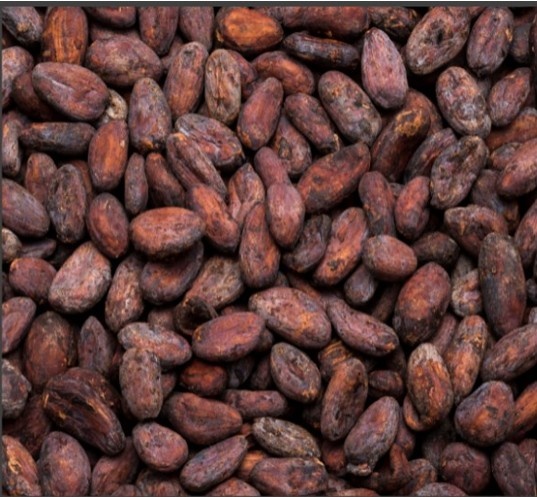
The cocoa beans are fermented and dried, not roasted.
Region: Sumba Island, Indonesia
Genetics: TSH858, Trinitario
Flavor Profile: Citrusy profile with honey sweetness and elegant notes of black tea.
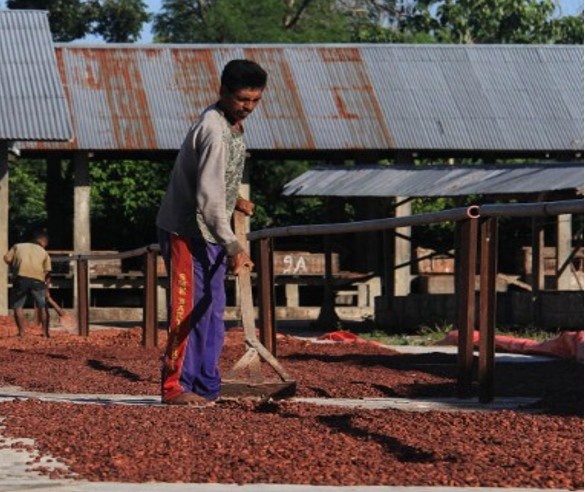
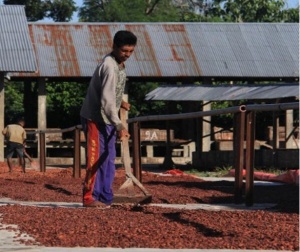
Fermentation: The complete natural fermentation process lasts approximately 6 days. During this period, microorganisms consume the sugars in the cocoa pulp, creating a natural anaerobic environment that contributes to the development of complex flavors. The beans are then sun-dried.
About the Origin
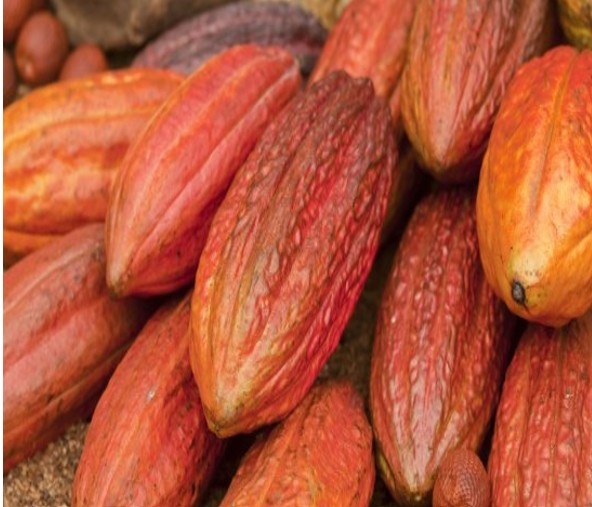
The plantations are located in the western part of Sumba Island, Indonesia, within East Nusa Tenggara Province. This region lies in the southeastern part of the Indonesian archipelago and is influenced by the tropical climate of the Indian Ocean, as well as the seasonal winds characteristic of the area.
In addition to its warm and stable climate, the region is known for periods of high humidity, sometimes intense, which are managed through traditional drainage and irrigation systems adapted to the island’s landscape. The cocoa cultivated here is a natural hybrid, resulting from local varieties combined with selected fine-flavor cocoa genetics.
Ghaura Estate reflects the unique cycles of wind and rainfall that define Sumba Island. These natural patterns play an important role in the slow and balanced maturation of the cocoa pods, shaping the distinctive character of the beans.
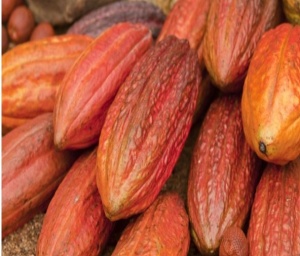
These raw cocoa beans originate from West Sumba, Indonesia, where Ghaura Estate benefits from a unique terroir shaped by fertile soils, tropical climate, and generations of local agricultural knowledge.
Raw Cocoa Beans – A Healthy Snack with Pure Cocoa Flavor
Cocoa is considered a natural superfood, rich in minerals, antioxidants, flavonoids, and theobromine—naturally occurring compounds associated with well-being. Enjoying raw cocoa beans is a simple way to experience cocoa in its purest and most natural form.
How to Enjoy Raw Cocoa Beans
Raw cocoa beans can be eaten as they are. Their flavor is completely different from conventional chocolate: less sweet, slightly bitter, drier, yet pleasantly crunchy. They offer a unique tasting experience that reveals the true character of the cocoa bean.
If you prefer a sweeter touch, you can dip the raw cocoa beans in a small amount of honey.
Recommended Daily Intake
Adults: 5–10 cocoa beans per day.
Children: 2–5 cocoa beans per day.
After removing the outer shell, the beans separate into cocoa nibs. These can be added to smoothies, sprinkled over muesli or breakfast cereals, or combined with nuts and dried fruits to create a nutritious and naturally energizing snack.
Raw Cocoa Beans vs. Conventional Chocolate
Cocoa is the fundamental ingredient used to create chocolate. Raw cocoa beans naturally contain a wide range of nutrients and aromatic compounds. During traditional chocolate production, roasting develops the familiar chocolate flavor but also reduces some of the heat-sensitive nutritional properties of the raw bean.
Conventional chocolate often contains significant amounts of added sugar, fats, and other ingredients that can mask the natural flavors of cocoa. Raw cocoa beans provide a completely different experience: a more intense cocoa character, less sweetness, gentle bitterness, a dry texture, and a satisfying crunch.
Why Fermentation Matters
Fermentation is one of the most critical stages in cocoa processing. During fermentation, cocoa beans undergo a series of natural chemical transformations that convert flavor precursors into the rich and complex aromas associated with fine chocolate.
Turning the beans during fermentation is essential for achieving consistent quality. Regular mixing allows fermentation to occur evenly, improves airflow, encourages the development of beneficial microorganisms, and helps prevent unwanted mold or off-flavors.
This careful process plays a crucial role in creating the final aromatic profile of exceptional cocoa. The next time you enjoy a fine chocolate bar, remember that its complexity begins with the careful fermentation and handling of the cocoa bean.