

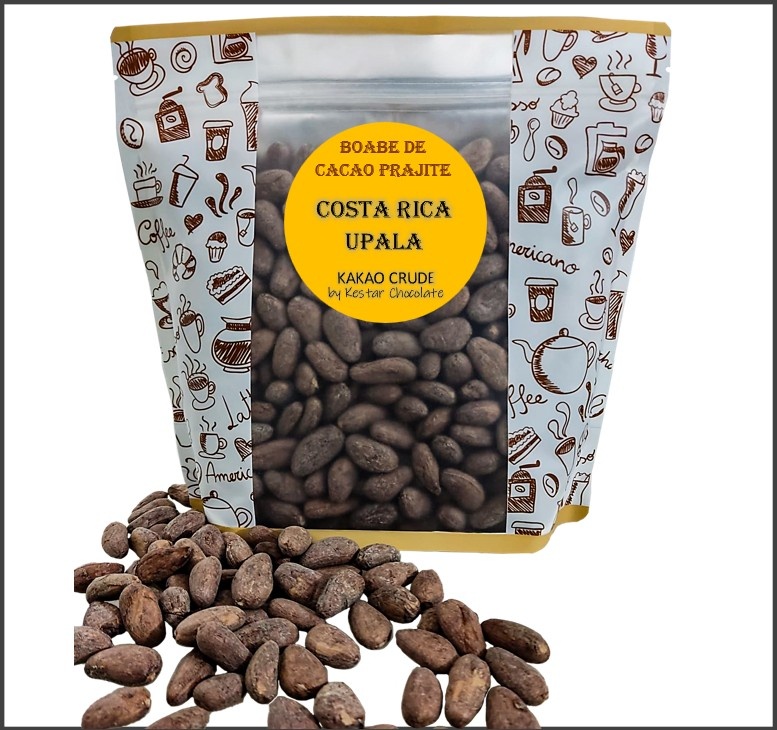
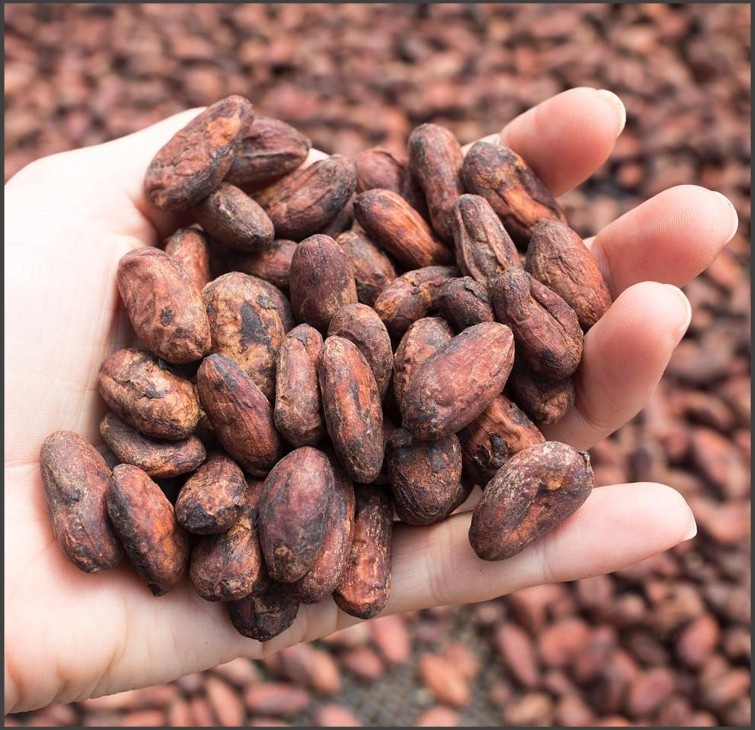
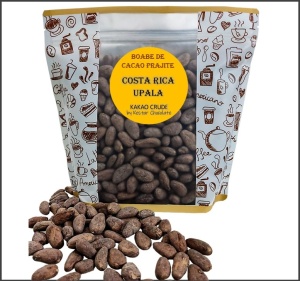
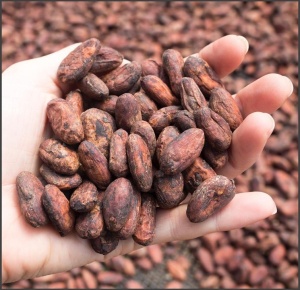
ROASTED COCOA BEANS - COSTA RICA Upala

Description
Cocoa has deep roots in the history and culture of Costa Rica, where it has been cultivated for more than three millennia, dating back to approximately 1500 BC. Indigenous civilizations such as the Chorotega, Huetar, Cabécar, and Bribri considered cocoa a sacred gift from the gods, using it in religious ceremonies, spiritual rituals, and even as a form of currency. During this period, cocoa was consumed as a bitter beverage blended with spices, a tradition very different from the sweet chocolate known around the world today.
During the colonial era, following the arrival of the Spanish in the sixteenth century, cocoa transitioned from a sacred symbol into an important economic commodity. The Spanish recognized its commercial potential and expanded cocoa cultivation, transforming it into a significant source of wealth. Throughout the seventeenth and eighteenth centuries, cocoa plantations became a crucial part of the colonial economy, and cocoa beans continued to serve as currency during periods of economic hardship.
However, beginning in the 1840s, coffee gradually surpassed cocoa as Costa Rica's primary export product. Later, in the 1970s, a devastating outbreak of Monilia disease—a fungal disease affecting cocoa trees—destroyed more than 80% of the country's cocoa plantations. This crisis nearly brought an end to a centuries-old tradition. In recent decades, however, Costa Rica has experienced a remarkable revival of cocoa cultivation, focusing on fine-flavor varieties, sustainable farming practices, and artisanal processing methods.
Today, Costa Rican cocoa is internationally recognized for its purity, aromatic complexity, and origin within an exceptional tropical ecosystem. Regions such as Talamanca, Alajuela, Cartago, and Puntarenas are home to plantations cultivating rare and valuable cocoa varieties, among which Criollo holds a place of distinction.
Criollo Variety – Elegance and Refinement in Flavor
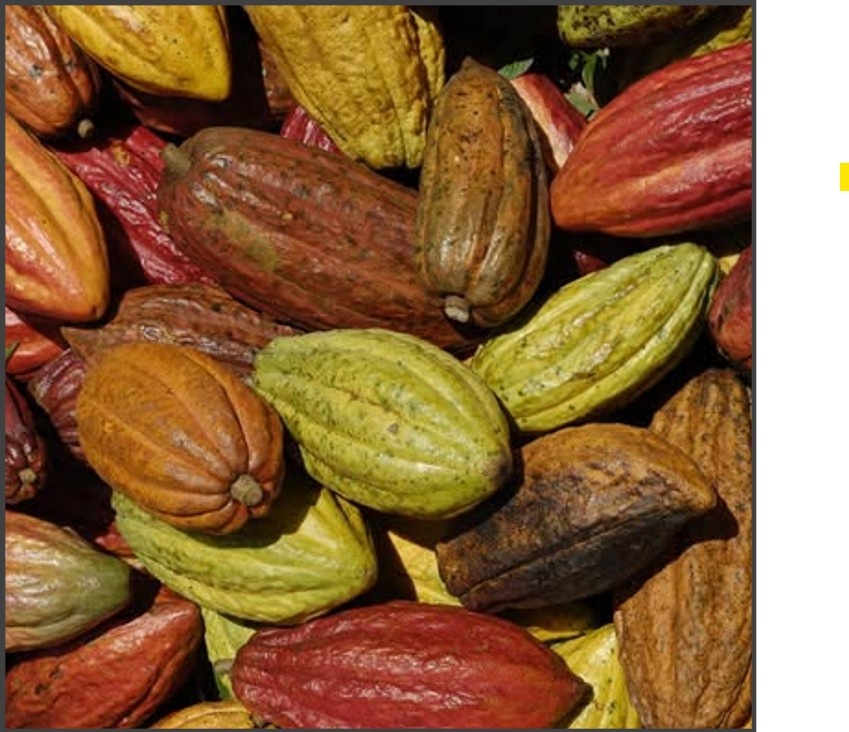
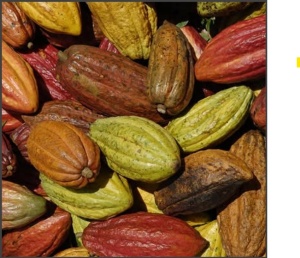
Criollo is often considered the “gold” of the cocoa world, being one of the rarest and most refined varieties of Theobroma cacao. Native to Central America, Criollo is cultivated in limited quantities due to its sensitivity to disease and its demanding environmental requirements. In Costa Rica, this exceptional variety is carefully grown in controlled microclimates, where fertile soils and balanced humidity allow the development of beans of extraordinary quality.
Criollo beans are distinguished by their sophisticated aromatic profile, offering a delicate pure cocoa character complemented by a harmonious combination of yellow fruits, red forest berries, and caramel notes. Their texture is velvety, with subtle acidity that creates a complex and memorable tasting experience. Due to their naturally low tannin content, Criollo beans have reduced bitterness, making them ideal for luxury dark chocolate and gourmet tasting experiences.
Cultivating Criollo in Costa Rica represents far more than an agricultural practice—it is an art form and an expression of respect for nature, heritage, and tradition. Local producers use natural fermentation and drying methods that preserve the integrity of the beans while revealing their delicate aromatic nuances. Furthermore, many plantations are organically certified and participate in biodiversity conservation projects, adding both ethical and ecological value to the final product.
Costa Rican Criollo represents a rare harmony between ancestral knowledge, exceptional terroir, and sustainable craftsmanship—a cocoa of remarkable elegance, purity, and character.